
The Central Statistics Office published its preliminary estimate for agricultural input and output prices for this year and they show that farm margins are being squeezed by both rising costs and falling market prices.
The Agricultural Output Price Index, which measures how much farmers get paid for their products is projected to fall by 10.3% when compared to 2025. On the cost side, the Agricultural Input Price Index is projected to have increased by 6.5% in 2026 when compared to 2025.
Taken together, this means that when reported in Terms of Trade (an economic measure of how much output needs to be produced to pay for required inputs) the on-farm situation has worsened by 15.8% in 2026.
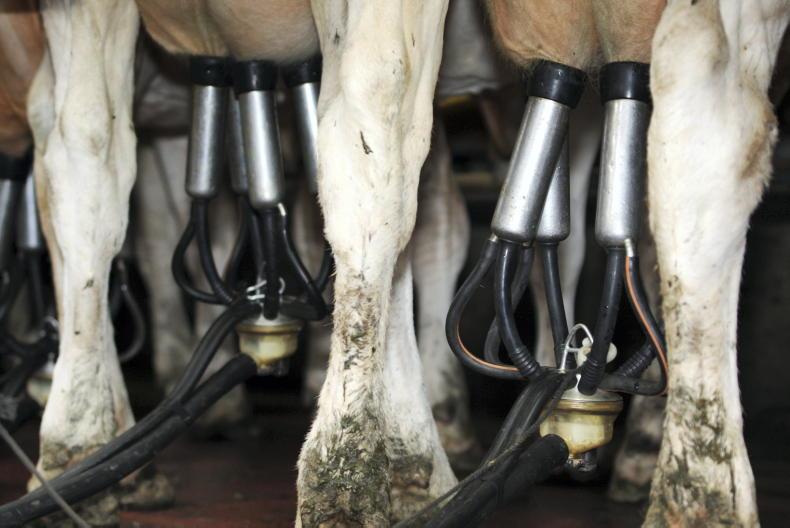
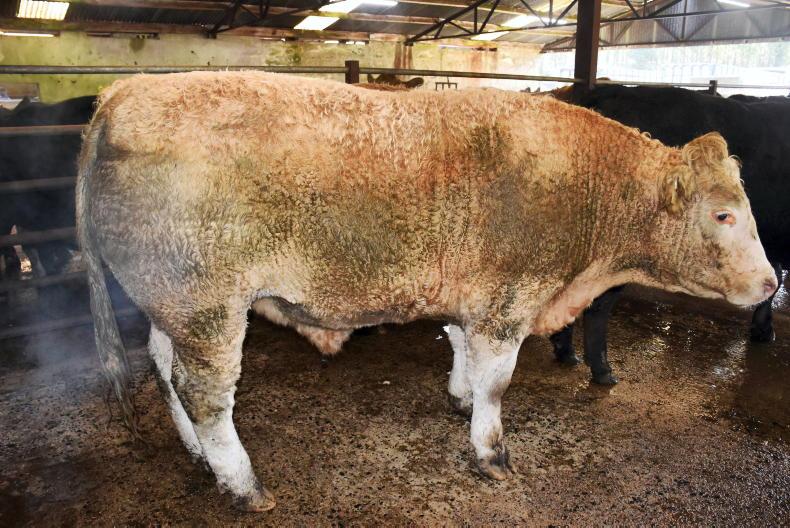
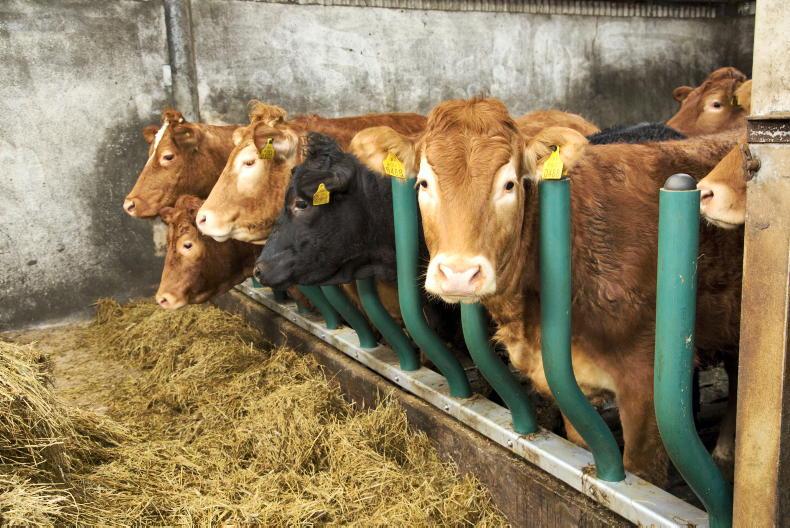
The effects are not evenly distributed across different farming sectors. Dairying has seen the biggest drop in output prices, with milk down 18.1% year-on-year. Pigs and cattle are also lower, while cereal prices are little changed and sheep prices have increased by 3.5%.
It is probably of little surprise that fertiliser and energy prices saw the biggest increases in input prices, both climbing by 18% since 2025. Veterinary costs also saw a fairly substantial increase of 7.1%, the biggest one-year jump since the data started being reported in its current form in 2020.
Digging further into the numbers, it is clear that dairy has had one of the biggest squeezes on profitability in 2026, while the situation for pigs is very bleak indeed, with output prices near where they were seven years ago, while costs have increased by more than 35% (see Figure 1).
There is better news in the beef sector where, despite the drop in prices seen this year, margins remain well above recent years. Sheep farmers have seen an improvement in prices this year, with the output index for that sector 57% above the 2020 level. Poultry was the only other farming business which saw price growth over the last 12 months.
Price outlook
In the short term, there may be some better news on input prices. In the wake of the defeat of president Donald Trump’s Republican party in the US mid-term election there are increasing hopes that a peace deal may be agreed with Iran, which could, eventually, lead to the reopening of the Strait of Hormuz.
That would allow the resumption of shipments through the key waterway which should help lower both oil and fertiliser prices. Already this week we have seen oil drop to around $90 a barrel and European gas futures fall 20%.
There will be a time lag between the movement in commodity prices and a drop in energy costs to farmers, but the change in direction is notable and should eventually lead to savings.
On the output prices side, the picture is more mixed. Global milk supply has continued to grow through 2026, with Ornua reporting deliveries up 2.9% in the year to September, with full-year growth forecast to come in at 2.3%. Ireland, uniquely among major European Union producers, has seen output fall this year.
There is some hope that 2027 will see a slow down in this expansion. The drought in Ireland had an immediate knock-on effect on milk production due to the grass-based system here. Other countries rely on maize and other crops to feed their dairy herds, so there will be a lag in the feed through to milk production, with fodder possibly running tight in 2027.
On the beef side, the medium-term prospects remain relatively robust, with US cattle numbers remaining near record lows and some signs of herd rebuilding in Brazil. Were the UK to follow the EU in banning imports of Brazilian beef, it would further shore up demand for next year in Ireland’s most important beef market.
In cereal markets the effects of the strong El Niño event forecast for the coming months are likely to be the biggest driver of global yields.
If there are significant disruptions, prices should increase. However, the effects from the weather event are unevenly distributed and it will be some time before the overall effect on global production becomes apparent.