
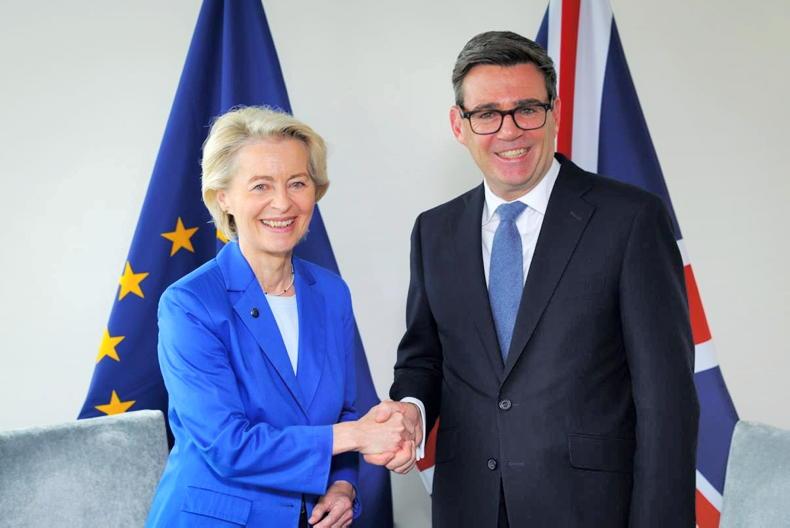
The second EU-UK post-Brexit summit taking place on Friday has been well flagged in advance.
There has been so much briefing over the past couple of weeks on the conclusion of the sanitary and phytosanitary (SPS) agreement that it will be surprising if any new news emerges on the topic later on Friday.
By the time UK prime minister Andy Burnham and European Commission president Ursula von der Leyen get together, we can expect that officials will have the details sorted and it will be left to the politicians to smile and begin the process of selling the agreement to their respective constituents.
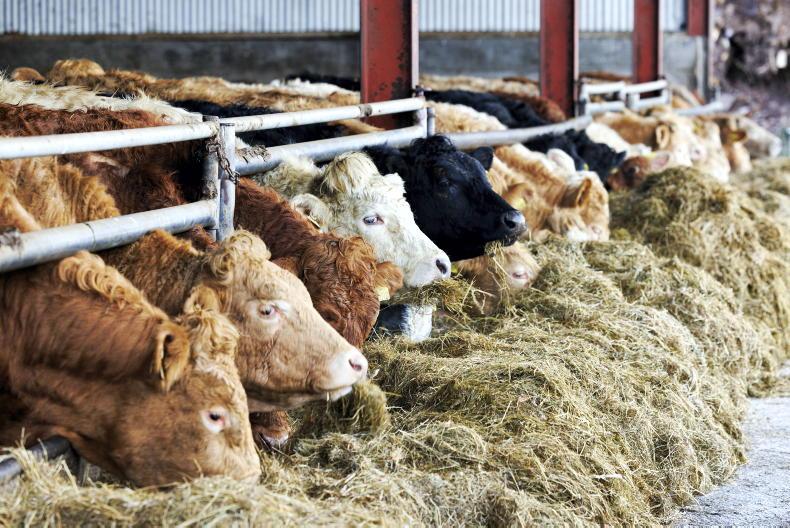
For the UK, it is quite a big deal as it is the first step in unravelling one of the major Brexit constraints that greatly hampered British exports of animal and plant-based products.
Larger businesses were able to adapt to the additional bureaucracy, albeit at a cost, but small micro businesses could no longer afford to export small quantities of product that required the same procedure as a 20-tonne consignment.
A monetary value in the region of £5bn (€6bn) annually has been mentioned in relation to what the absence of an SPS agreement cost the UK economy.
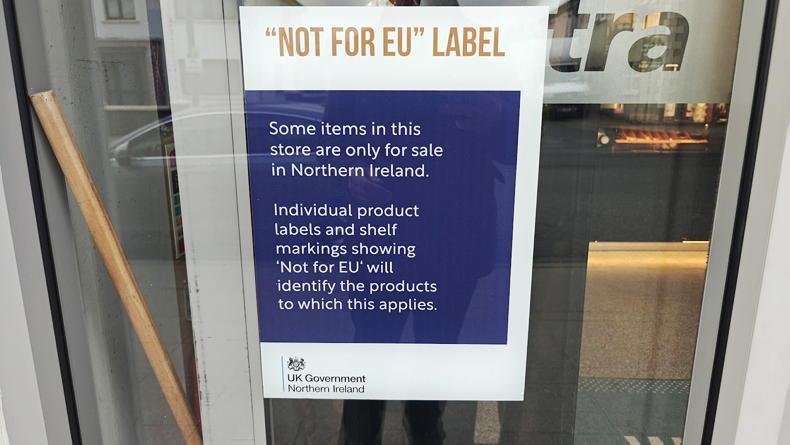
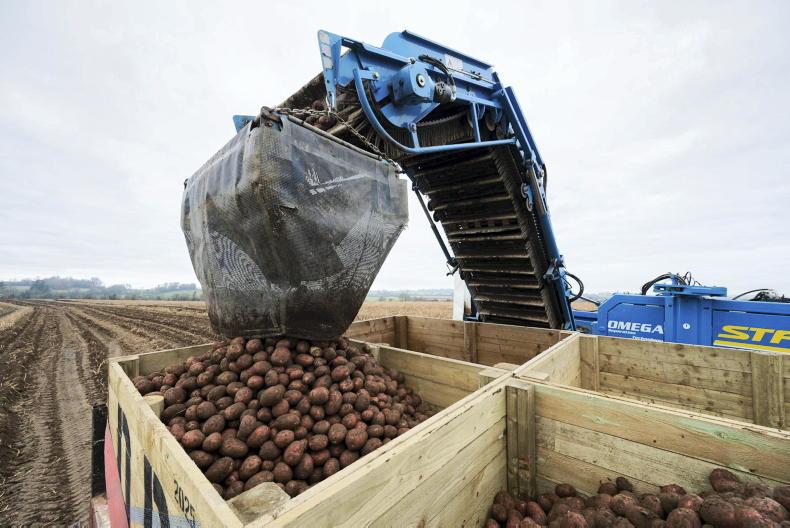
At a practical level, it will simplify the import of plants, including flowers and seed potatoes, to the island of Ireland and Irish fans of British sausages will once again be able to buy them as that ban on their export to the EU will be ended.
Next steps
What observers of EU-UK relations will be watching out for today are signals on the likely next steps in further developing the relationship. The UK prime minister has made it clear that he is no fan of Brexit but coming from a parliamentary constituency where two-thirds of the electorate voted to leave the EU, he will be treading carefully.
There are already plenty of rumblings from the pro-Brexit campaigners who are ready to get the band back together and even within his own party there are plenty of EU sceptics.
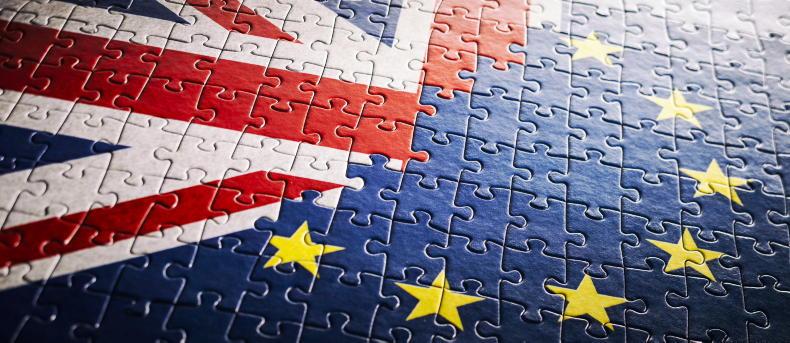
Burnham has indicated that the UK could go all the way to rejoining but that remains some way off. A more likely next step is to transfer the principle of the SPS agreement into the wider economy and perhaps negotiate a return to the EU single market while remaining a non-member, as is the case at present with Norway.
A further step might be looking at membership of the customs union, again outside the EU and similar to the arrangement that Turkey has. This would bind the UK to the EU on trade deal tariffs and would make deals like those concluded with Australia and New Zealand off limits.
Slow burn
All of these require agreement by EU member countries but the overall feeling is that the EU would prefer the UK closer or indeed back as a full member, at least in principle. When it comes to negotiating the detailed terms and conditions, it gets more complicated as member states look to protect their own interests.
Therefore, we can expect any negotiation to take time in the same way as the SPS agreement, which has taken a year and a half and it will be another year before it takes effect.
Today's summit marks a major step on the journey of a new EU-UK relationship but where that journey ends nobody knows and it will take several years to find out.