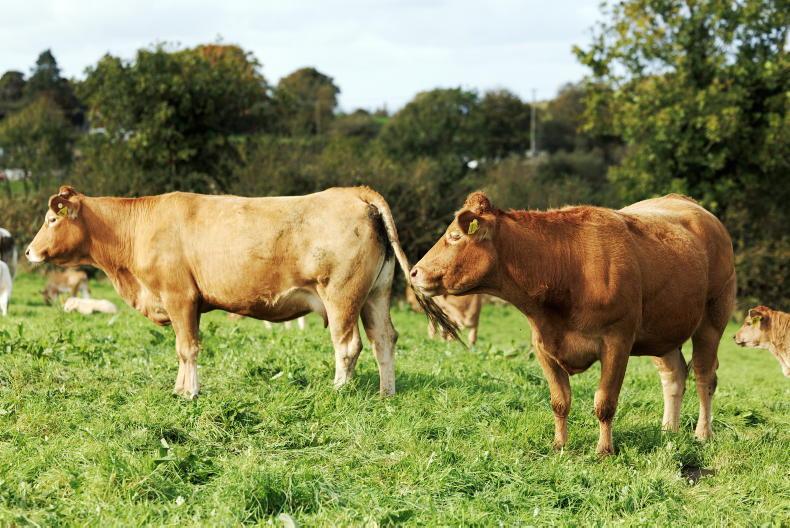

Grass supplies: The weekend brought a lot of cattle indoors, with ground conditions simply becoming too tricky for farmers to handle. Some areas that are on drier runs of ground have managed to hold cattle out, but even these farmers know that the amount of days of significant numbers of cattle staying out are in the single digits. Growth has fallen rapidly over the last two weeks though, and we now see average farm covers on Pasturebase for beef farms hitting 649kg DM/ha, with growth below demand at 22kg DM/ha vs 30kg DM/ha.
With decent ground conditions in some areas and many beef farms now having a dairy beef enterprise tacked on to it, it’s easier to keep cattle out longer. These lighter beef stock are the ideal candidates to mop up grass, but that’s provided you have it there to begin with.
As we see growth fall off, a word of caution needs to be exercised that we do not eat into covers and affect our spring grass supply. Walk the farm, know what grass is available and calculate where you want it and how much grass you want for spring 2027.
It’s of much greater value to you then as opposed to now. Demand at grass can be reduced by introducing some silage, which is beneficial in easing the transition indoors, especially for weanlings or autumn-calving cows.
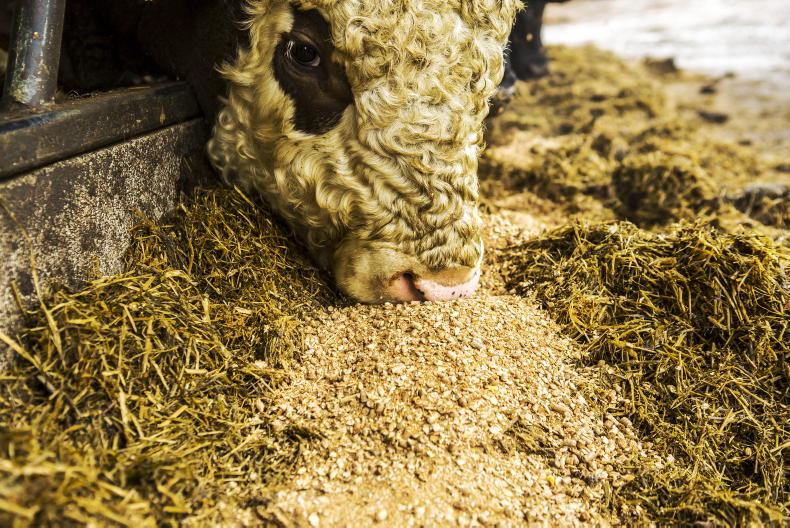
Shed space: Lying space is generally OK in sheds, with feed space being the primary problem. A standard 4.8m-long bay with feeding on one side only has sufficient feed space for eight cows/finished animals to eat at one time, though our pen size often allows more animals to be housed. Even with ad-lib feeding, bullying can occur when fresh feed is put out, resulting in first-calved heifers or older cows being bullied away from the feed face.
Assess your feed and lying space using the table below. More likely than not, feed space is inadequate. If possible, feed both sides of the pen, or separate out cows based on their body condition or age and feed accordingly to prevent cows becoming over thin during the winter months. Older cows and first-calved heifers should receive preferential treatment. The same can be done for finishing stock, with more forward-type cattle penned together.
Autumn breeding: Autumn breeding has begun or will begin for many herds in the next two weeks, just as cows begin to be turned indoors. It can be beneficial to have cows on a consistent diet with high DMD silage and some concentrates for the first few weeks of breeding to ensure energy levels are kept high. Use of some AI, even for herds that traditionally don’t use it, is always encouraged with labour associated with drafting reduced when indoors.