



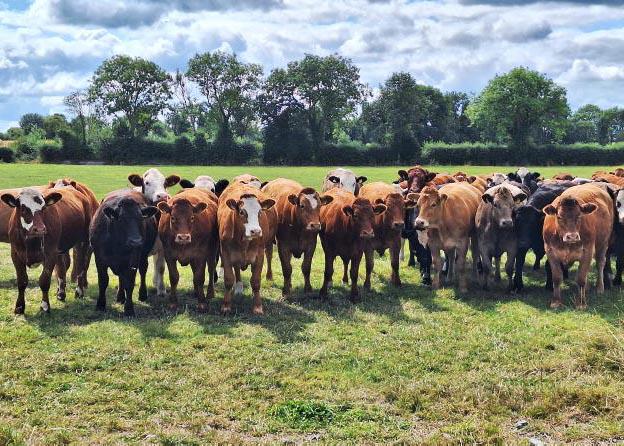
Grass supplies: Growth has recovered in the west and northwest, with other areas around the midlands slowly starting to pull itself out of a drought. Caution needs to be exercised regarding management of grass post-drought.
In 2018, after our last bad drought, nitrate levels went up in rivers due to leaching. In many cases, fertiliser may not be the limiting factor to growth and farmers should hold off applying fertiliser until ground has greened up and is actively growing again.
There is also significant danger with high-nitrate grasses rapidly growing in the form of nitrate poisoning and grass tetany.
Caution needs to be taken that cattle do not gorge themselves on grass when turned in to a paddock, with nitrate poisoning particularly prevalent in clover-rich paddocks. The recent warm weather will have suited clover. A buffer of hay or drier silage will help slow down the rotation while keeping cattle in check for the above issues.
A Teagasc survey published this week showed that close to 40% of farms do not have sufficient fodder in storage for the winter period. This is extremely worrying, and every opportunity to save fodder – be it necessary for your farm or not – should be explored, as previous imports from the EU and UK will not be viable owing to these countries experiencing their own drought.
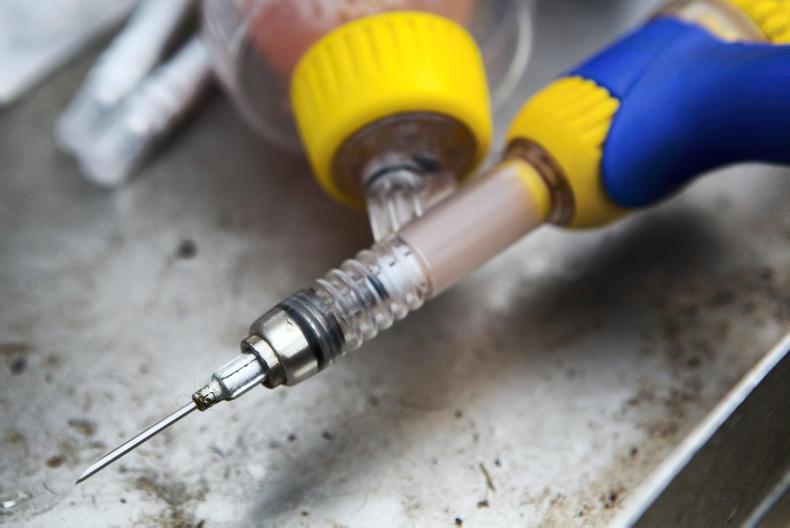
Vaccinating: With mild and muggy weather and spring-born calves set to be weaned in the next few weeks, farmers should seek to get calves vaccinated ahead of the danger period. Auctioneers are more frequently announcing the health status of weanlings, with exporters keen to source vaccinated weanlings. Vaccinating calves in August ensures immunity is established before major stress events such as weaning, transport, bad weather and housing later in the season.
Intranasal vaccines generally provide around three months’ protection against viral pneumonia after a single dose, while injectable vaccines require two doses, three to four weeks apart, but typically provide around six months’ protection and may cover both viral and bacterial pneumonia.
The most appropriate vaccine and protocol will depend on your farm and you should consult your vet regarding the best option for you. Vaccination is not a get-out-of-jail card regarding pneumonia, and all other factors need to be in place to reduce stressors.
Ventilation in sheds needs to be adequate with ample air inlet and outlet spacing with creating draughts. Weaning should be done on a phased basis, with paddles in calves’ noses a popular method to break the cow-calf bond over the last few years.
Drafting for slaughter: With heavy volumes of meal going in to finishing cattle at grass now then would be the norm, it’s important that regular drafting takes place to prevent cattle becoming over fat and cut in price. Cattle on a high-concentrate diet will lay down fat much more rapidly than those on grass-only, so weekly physical handling of stock is required, feeling along the short rib, loin and tail end.



SHARING OPTIONS