



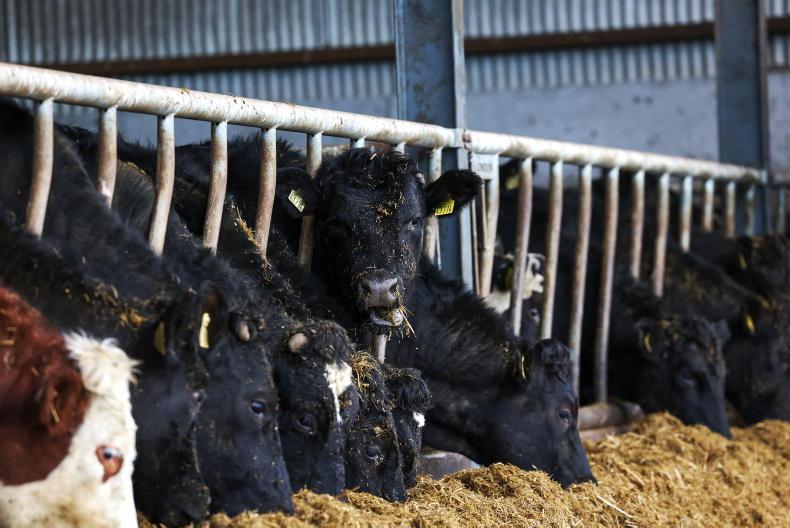
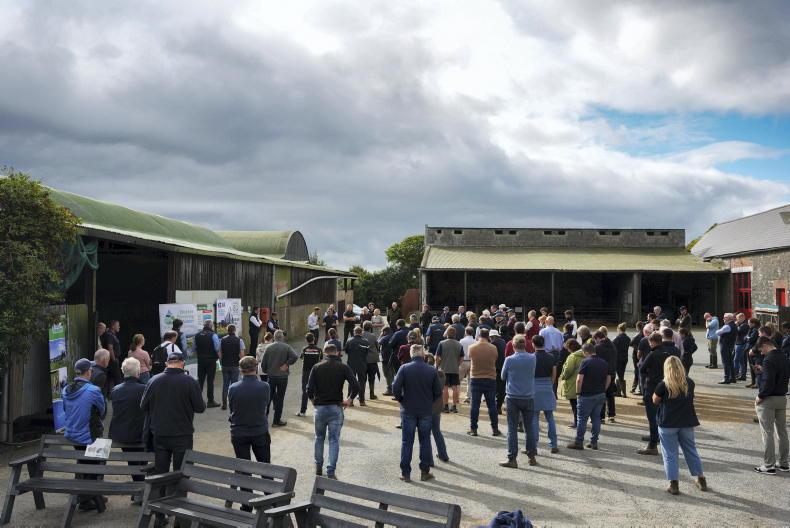
A national beef finishing event has been organised by Teagasc in conjunction with the Irish Farmers Journal and the Irish Farmers Association taking place in Kilkenny Mart, Cillín Hill, Co Kilkenny on Monday 5 October.
The event kicks off at 7.30pm with a number of presentations on the night including a live animal demonstration and a forum discussion on winter finishing.
Teagasc beef specialist Martina Harrington will present some detail around winter finishing diets and housing tips ahead of the winter housing period.
Senior manager for meat and livestock at Bord Bia Joe Burke will give a presentation on the cattle trade and what the market outlook is like for the rest of 2026 and into 2027.
Kilkenny Teagasc advisor Terry Carroll will then co-ordinate a live animal demo along with beef factory representatives with store bullocks and heifers outlining some of the budgets and prices required.
The Irish Farmers Journal will chair a forum at the end of the presentations. Speakers on the night will be joined by IFA livestock chairman Declan Hanrahan and local suckler to beef farmer James Madigan to discuss their outlook for the sector and what they see as the biggest issues for the industry.
The event is free to attend.
Speaking to the Irish Farmers Journal ahead of the event head of drystock knowledge transfer with Teagasc Pearse Kelly said: “We have held some very successful finishing events in Kilkenny down through the years.
“There is a genuine appetite out there for information. October is a big month for winter finishers in terms of decision making.
“We can’t make the decision for farmers but we can provide them with the best information possible to make an informed decision ahead of this year’s winter finishing season.”
The event coincides with the publication of the annual Teagasc beef budgets. These budgets outline breakeven prices required for different finishing systems from bull beef to winter finishing bullocks and heifers to finishing cattle off grass in 2027.
The budgets make for some sobering reading, with north of €8/kg needed for finishing forward store bullocks this winter if finishers build in a €150/head margin to cover labour and profit margin.
Table 1 outlines the details of the budget including the purchase price and selling price required. The per animal analysis is one thing, but one of the biggest issues in 2026 is how much money it takes to finance the winter finishing business.
If a farmer purchases 50 bullocks, they are looking at an outlay of €150,000, a massive investment on a relatively small scale operation.
Comment
Winter finishing cattle on farmer-owned smaller farms is becoming a dying trade, with ever-decreasing numbers now finishing cattle during winter. Winter finishing is instead being left to factory-owned and factory-aligned farms. These are the only finishers now left with the financial firepower to withstand the potential losses that have become all too common in winter finishing businesses.
Factories’ refusal to issue contracts has seen winter finishers drop off in numbers in recent years.
One south-eastern-based visitor to the Irish Farmers Journal stand at the National Ploughing Championships said he finished 83 bullocks last April having purchased the cattle in October and lost €540/head on them. The total loss was €44,820.
Our visitor added that for first time in 22 years he’s not heading back to the ring to compete with factory-aligned farms, as it will result in losing money again.
Factories had the ability to take on zero risk when it came to winter finishers and they took it. Any business would if they could.
Some will argue that the forward store seller will still get rewarded when it comes to selling forward stores in marts but when you condense any business or industry down into a small cohort of people, issues can arise.
Achieving a beef price of over €8/kg next spring looks far-fetched at the moment but as we have seen in the past stranger things have happened. All farmers can do is arm themselves with the best information and see what sort of risk they can withstand.
Paying €5/kg for stores doesn’t guarantee a high beef price, something many winter finishers encountered in the last 12 months.



SHARING OPTIONS