



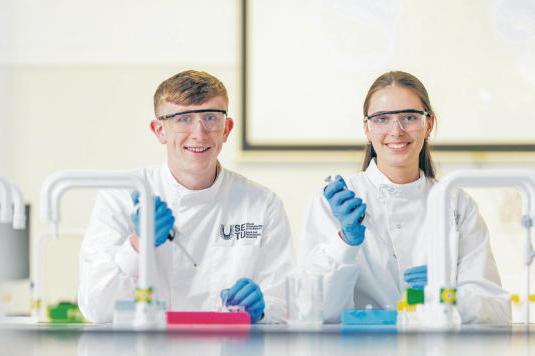
The introduction of two new veterinary medicine courses at South East Technological University (SETU) and Atlantic Technological University (ATU) has contributed to a 42% increase in students selecting Level 8 veterinary medicine as their first preference this year.
Round one offers for veterinary courses also increased by 115%.
Points for veterinary medicine were highest at ATU at 647 points, followed by University College Dublin at 589 and SETU at 566, according to the CAO.
Veterinary Level 6 and Level 7 courses also saw an increase of 33% in first preferences.
Dr Mary-Kate Burke, course director of the new veterinary medicine course at SETU says: “The demand for veterinary medicine has traditionally been very strong in Ireland, with significant numbers of Irish students travelling overseas each year to study veterinary medicine.
“This year, however, we have seen a particularly significant increase, with the number of CAO applicants mentioning veterinary medicine increasing by almost 200%, and first preferences rising by 75%. I think this reflects both the continued popularity of veterinary medicine as a career and the increased opportunity to study it in Ireland, with new places available through SETU.”
At ATU, an alternative recruitment process may also have contributed to increased interest in veterinary medicine.
The issue is not simply how many people qualify, it is how many people remain in practice. We have to ask why people leave, where the workforce shortages are, and then design the education programmes around those realities
Dr Patrick Pollock, course director of the ATU veterinary medicine course, says the university is deliberately changing how students are selected.
“We are accepting people with a good Leaving Cert, not necessarily an outstanding Leaving Cert but if you got a good Casper – a good situational judgment score, then you have got a very good chance of being offered a place.” The Casper test assesses traits such as empathy, communication, teamwork, situational judgement and emotional intelligence.
However, Dr Pollock stresses that the course remains academically demanding stating: “But clearly, it is an academically rigorous course, you need a high level of academic performance to get through it.”
The increased number of veterinary places comes as Ireland faces a shortage of vets. Dr Pollock says increasing the number of graduates alone will not necessarily address workforce shortages.
“The issue is not simply how many people qualify, it is how many people remain in practice. We have to ask why people leave, where the workforce shortages are, and then design the education programmes around those realities.”
Agriculture sees fall in interest
While veterinary medicine has attracted increased demand, agricultural science has seen a 7% fall in Level 8 first preferences across the country.
Level 6 and Level 7 agricultural science courses have also recorded a 5% decline in first preferences.
The CAO points required to study agriculture at Level 8 decreased across the board this year, with University College Cork recording the highest at 478 points, followed by University College Dublin at 417 and University of Galway at 410.
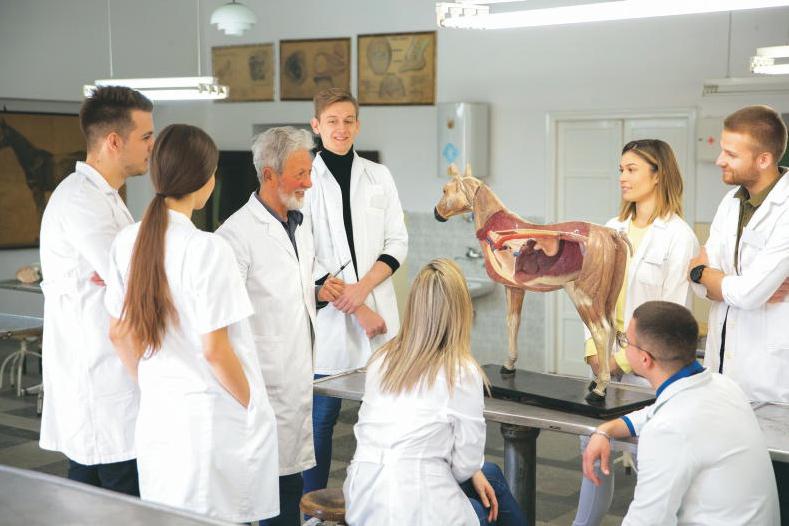
Dundalk Institute of Technology recorded 373 points, SETU 368, ATU 320 and Technological University of the Shannon 317. However, the decline in applications is not necessarily unusual, according to Professor Frank Buckley, ag science course director at UCC, who says student choices can be influenced by wider economic conditions and competition between courses.
“Careers and occupational choices do fluctuate according to the climate and then, when there are more courses, they are competing with one another. So that’s very common,” he adds.
The decline nevertheless raises questions about whether agriculture has a careers perception problem among school-leavers.
Professor Buckley says: “I don’t think students are aware of the degree to which there’s opportunity within the agricultural industry.”
However, graduates can have strong employment prospects once they enter the sector.
He continues: “We find that our students tend to be snapped up very quickly, particularly those that shine, work hard and have a real interest. They are rewarded with very good jobs and interesting roles.
“There’s a huge spread in terms of areas that people can go into. I would say research, finance, nutrition, breeding, seed companies and agri-tech are all popular.”





SHARING OPTIONS