



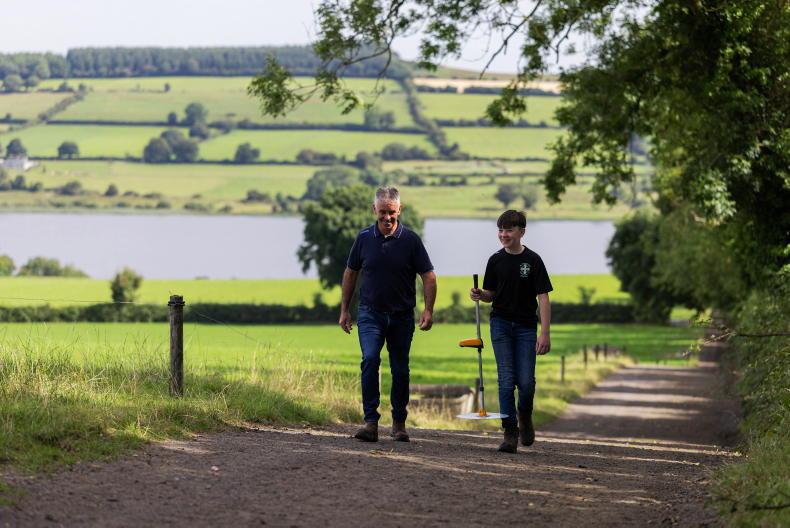
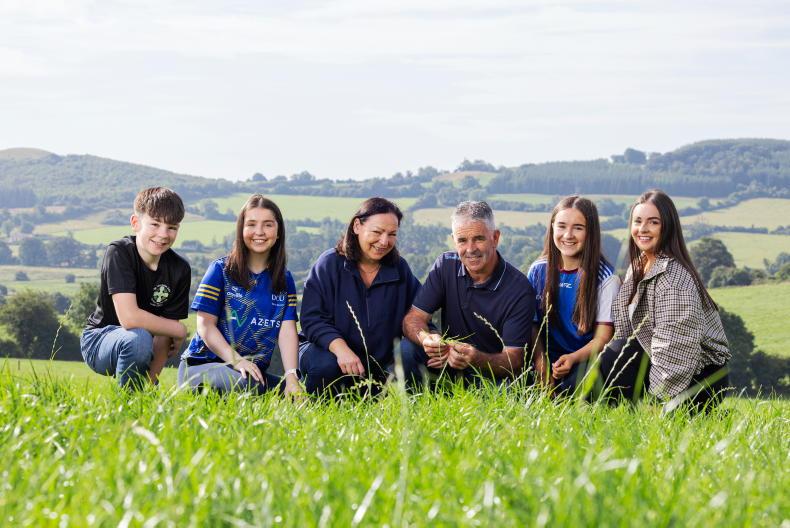
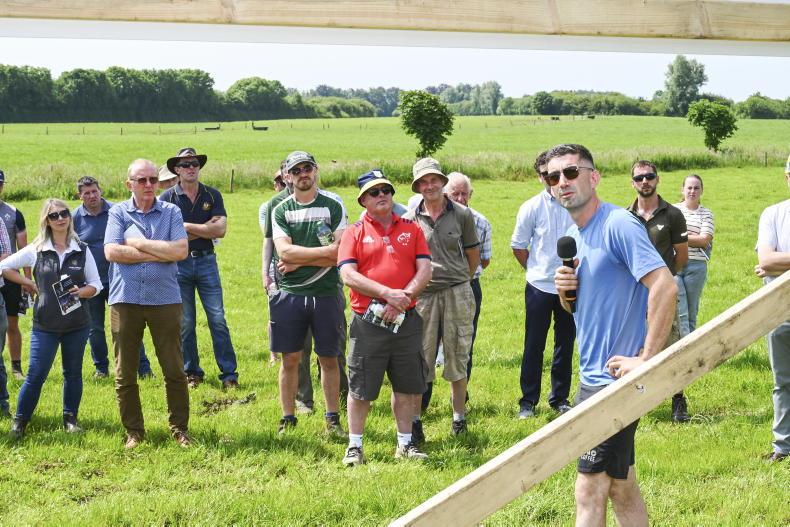
Two cows in the 180-cow Loughrey herd carry a significance out of all proportion to their numbers. They belong to 12-year-old Tom. His father, Thomas, pays the feed bill and does the work, but the milk cheque, calculated from the cows recorded annual yield and the average milk price, is Tom’s. On the day of the judges’ visit, young Tom was as ready as anyone to explain what was happening at each stage of the farm walk. On many farms succession is a hope for the future, at Ballinredra it has already begun, two cows at a time.
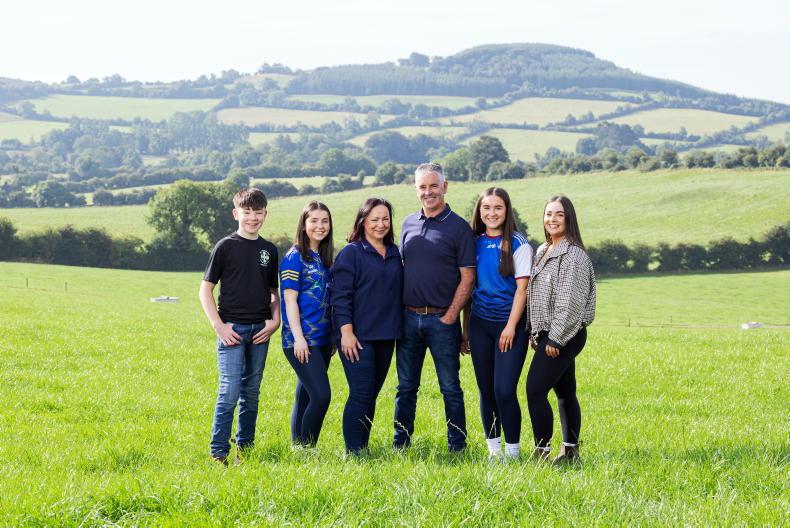
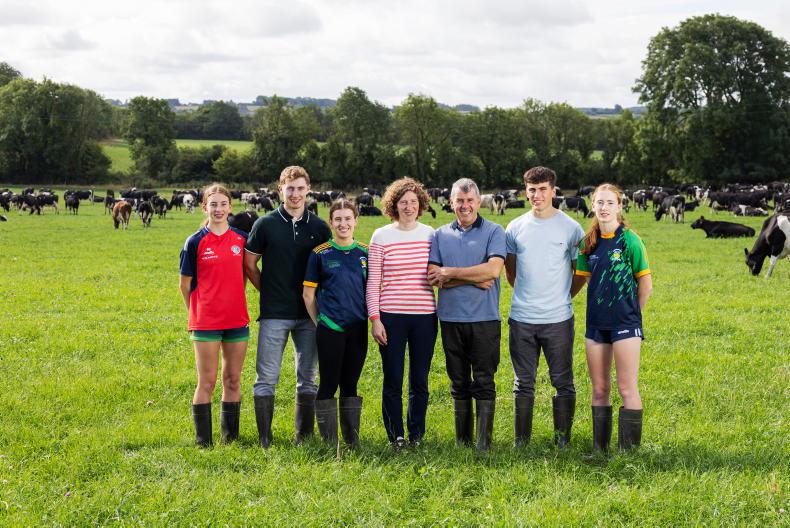
The Loughrey farm is run by Thomas and Margaret, along with their four children, Emer, Hazel, Claire and Tom. The Loughreys have farmed this ground since 1823. Thomas is the fifth generation to farm at Ballinredra, and he makes no secret of his ambition: “I hope to pass it on to the sixth.”
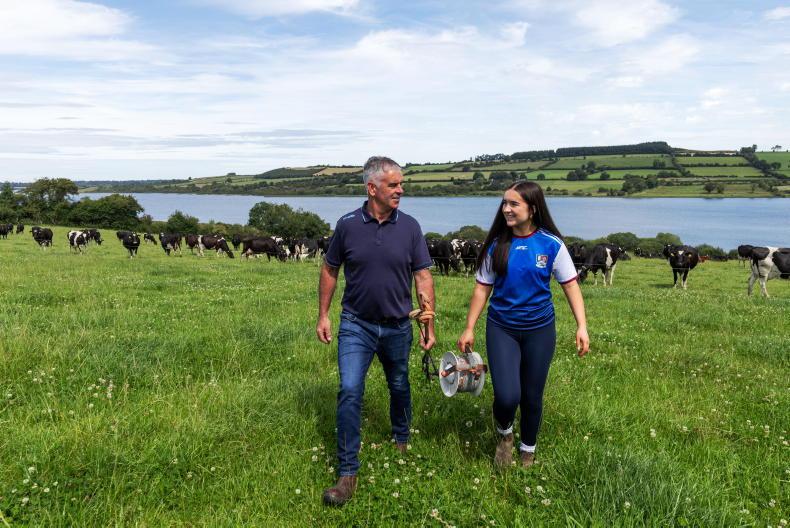
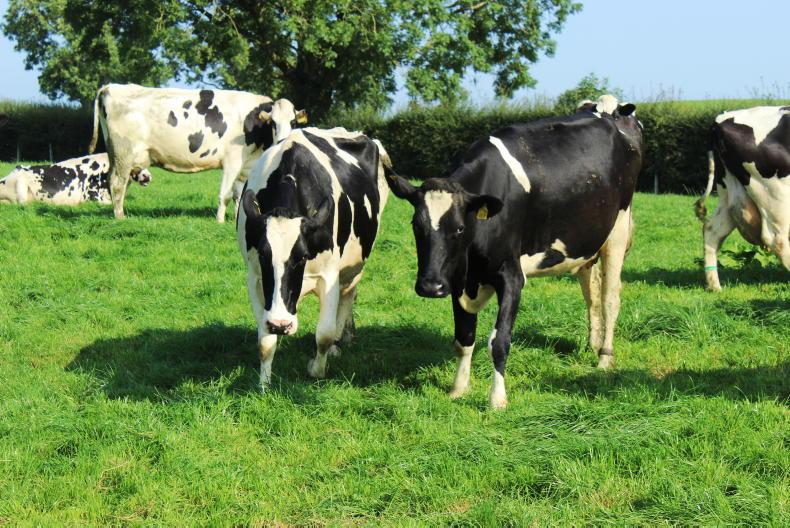
Thomas took over in 2006 when the herd numbered 60 cows. His father had established the dairy enterprise in the mid-1960s and rebuilt it after a brucellosis depopulation. Following the end of milk quotas, Thomas expanded in stages, first to 90 cows, then 140 and now 180, leasing an additional 36ha and constructing two underpasses to join the grazing block safely and efficiently. The 2025 average TBC was 7,000 CFU/ml and average SCC was 122,000 cells/ml, while fat and protein averaged 4.66% and 3.73%.
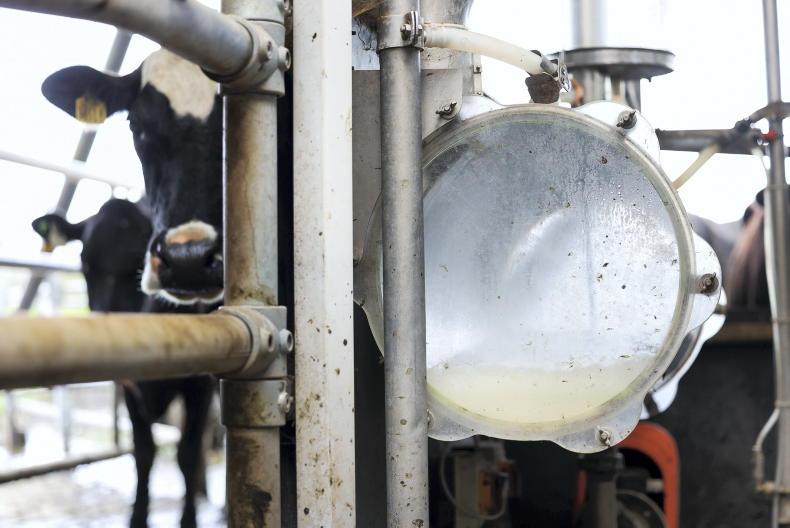
The chlorine-free dairy is now washed by an automatic system installed in early 2026. Breeding is based on AI, with sexed dairy semen used on the best cows and heifers for EBI, fertility and milk solids; the remainder are matched to selected beef sires. The male calves have regular outlets to three farmers, whose feedback helps decide which beef breeds to use. The herd averages 3.7 lactations; one cow is milking in her ninth and only 8% were empty last year.
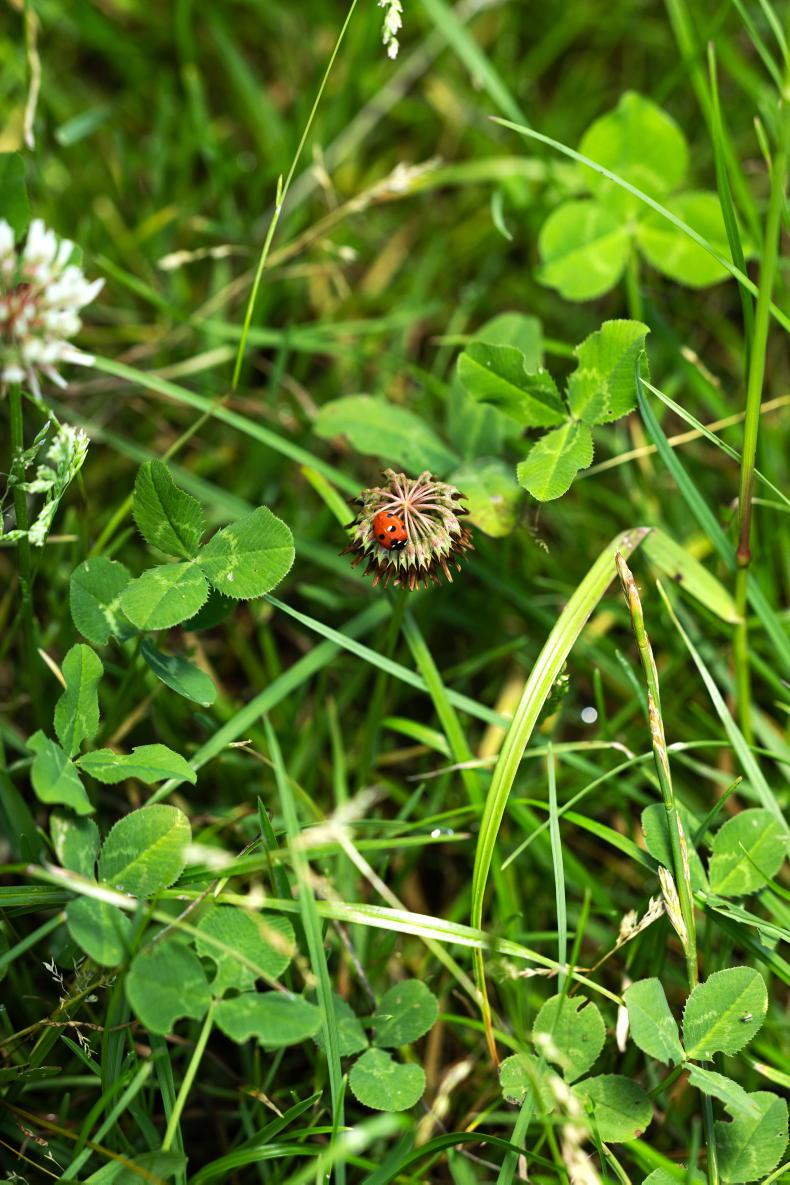
Grass is the engine of the system. Thomas measured it 37 times last year, using PastureBase to turn covers into decisions. Cows are usually out within 10 days of the start of calving, at grass full time by St Patrick’s Day and grazing for about 290 days. Clover is established on 50% of the platform, while soiled water is targeted to the strongest clover swards to reduce chemical fertiliser use. With 78% protected urea, all slurry spread by LESS and 108t of lime applied in 2025, the farm’s carbon footprint is 0.84kg CO2 equivalent per kilogram of milk, one of the lowest among this year’s finalists.
Environmental work here is not confined to the fields that produce grass. Half a hectare by the lakeshore and 2.5ha on the outfarm have been set aside for nature. Two ponds provide habitats for ducks and frogs, 120m of new hedge were planted in 2025, and a 3ha critical source area has been fenced and managed through an EIP project using water bars, a sediment trap and controlled drainage. The family have also welcomed a wider catchment-restoration initiative focused on the River Gain at the outfarm.
The farm is unmistakably a family enterprise. Margaret keeps the administration moving. Emer, newly qualified as a primary teacher, Hazel, who is training to be a primary teacher at DCU, and Claire, who hopes to study agriculture, all help with calves; Claire and Tom also take turns in the milking parlour. Willie, the full-time employee, completes the team. The Loughreys’ achievement is not simply that five generations have remained on the same ground. It is that each generation has left the farm more capable for the next.



SHARING OPTIONS