



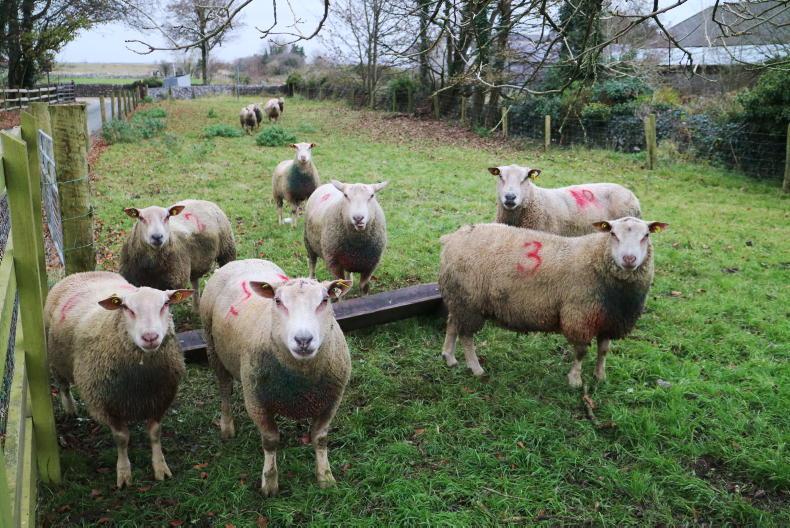
Wintering B&B options: With tight winter feed supplies, some farmers are looking at contract wintering arrangements with drystock farms.
The main thing to consider is the feed requirements for various animal types. In general terms, a dry dairy cow will require 12-14kg silage DM per day during winter, whereas an in-calf heifer needs about 10-11kg.
At current silage costs, that equates to a daily feed cost of €3.30-€3.85/cow or €2.75-€3.00/in-calf heifer during the indoor feeding period.
If the dry stock farmer is also doing the feeding and animal care, €1.00/head/day extra is usually required to cover the use of facilities and provision of labour.
Despite the cost, this is a great opportunity for both parties to work together and share feed, workload and facilities. In terms of movement rules, DAFM treat B&B arrangements the same as any other movement between holdings and so very specific rules apply. I’d recommend getting the arrangement agreed with your district veterinary office (DVO) before cattle move.
Upcoming event: The Tirlán Lighthouse Farms are hosting their next farm walk on the farm of Harry and Joe Lawlor, Ballacolla, Co Laois, R32CX29, on Thursday 1 October at 11am. The event will focus on winter fodder budgets and autumn grass planning. All are welcome.
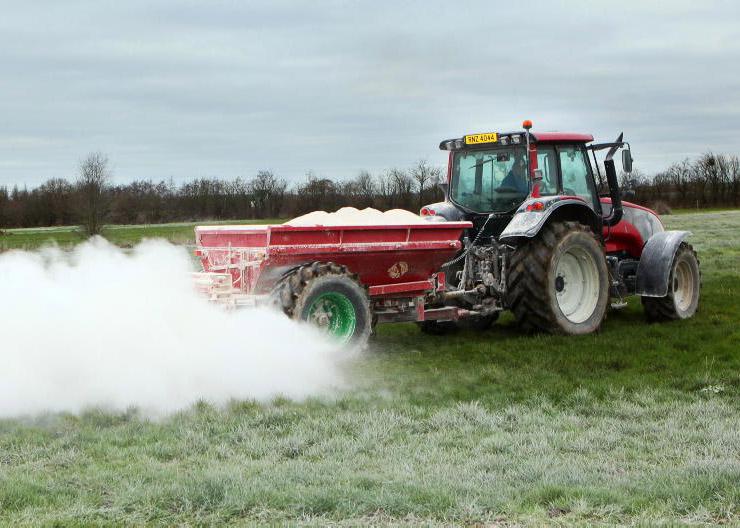
Fertiliser deadline: While farmers have until 15 October to declare their closing fertiliser stocks, now is a good time to get this job out of the way. The declarations can be completed by farmers or their advisers on MyAgFood.ie.
The first step is to check all fertiliser transaction records and ensure that the information recorded is accurate and up to date. Where fertiliser is supplied to a farmer through a contractor, the relevant transaction should be allocated against the farmer’s herd number using the “farm to farm transfer” option.
Farmers who have queries regarding purchases of fertilisers should raise any concerns directly with their merchant. Closing stocks are classified as any fertiliser on hand at 11.59pm on 14 September. It is a legal requirement to submit a closing stock declaration even where no fertiliser is held.
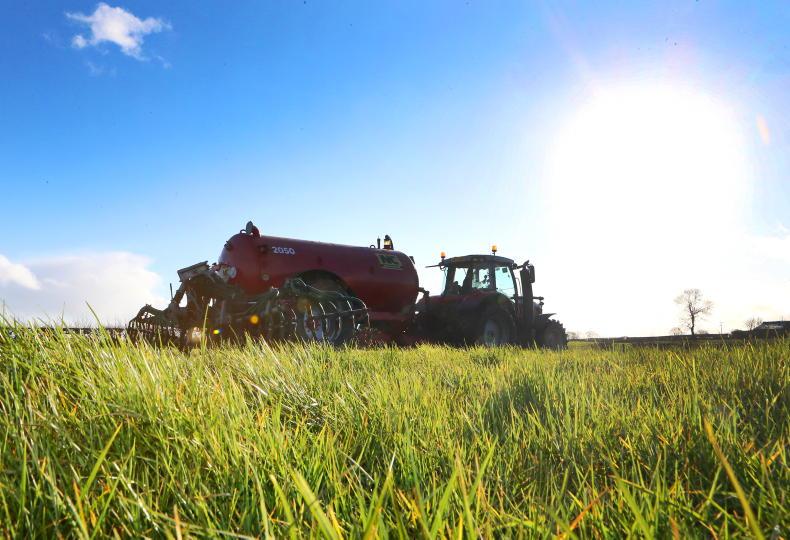
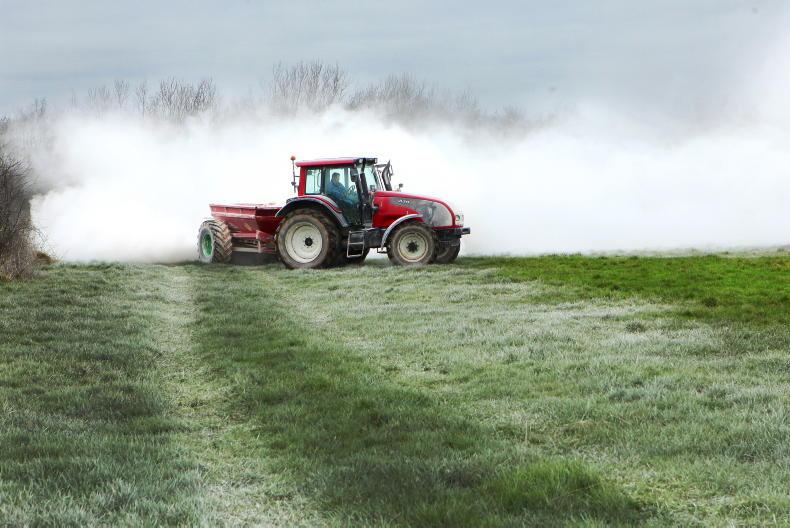
Slurry: The deadline for slurry application is Wednesday 30 September. Given that ground conditions are good and growth rates are ahead of normal, any remaining slurry in tanks should be spread now at a low rate and as dilute as possible across the farm. At current growth levels, the nutrients in applied slurry will be used efficiently. Slurry should be targeted to fields with low soil fertility, recently grazed paddocks and silage ground to get the best response.
Using low-emission slurry spreading (LESS) equipment, avoiding spreading where heavy rainfall is forecast and carefully maintaining buffer zones are the most effective measures to prevent nutrient losses. Slurry or soiled water should not be spread within 10 metres of watercourses. Maintaining these setbacks will reduce the risk of nutrient losses over the next few weeks.



SHARING OPTIONS