
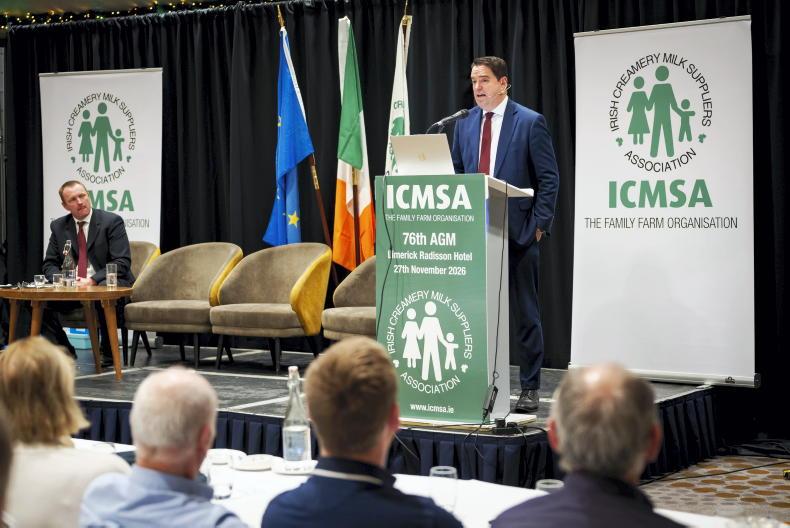
Minister for Agriculture Martin Heydon has said that he has been accused of positive bias in the Targeted Agricultural Modernisation Scheme (TAMS) when it comes to slurry storage and that he makes no apology for it.
He said he had no bias against dairy farmers.
The Minister told the Irish Creamery Milk Suppliers’ Association (ICMSA) AGM that the TAMS allocation will increase to €93.3m next year and said this is the largest ever annual budget allocation for on-farm investment by Government.
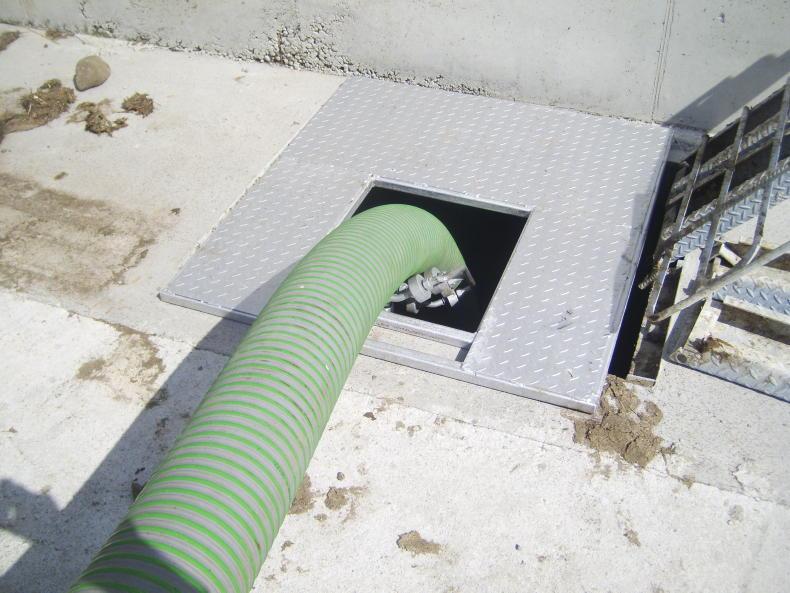
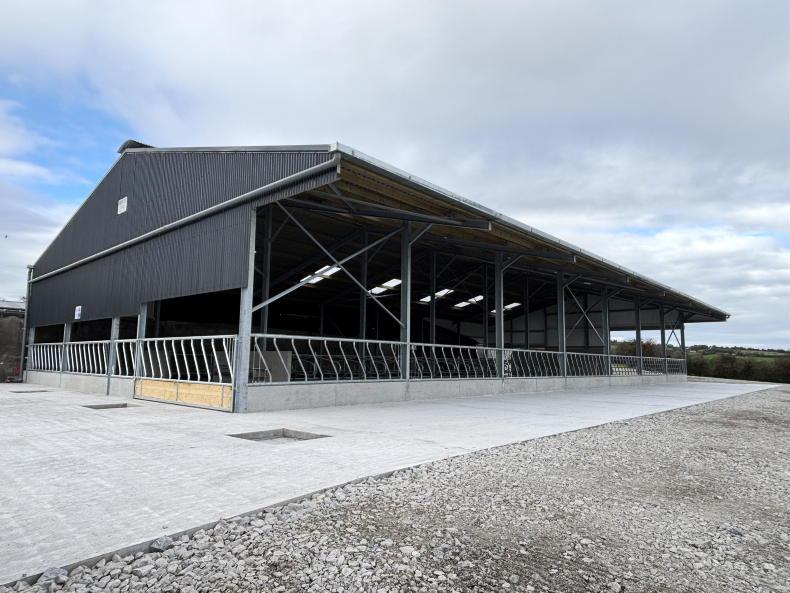
“This will support competitiveness on Irish farms and crucially, will fund slurry storage that will be a critical component in supporting Ireland's nitrates derogation,” he said.
He stated that it was vital for the dairy sector to have secured the three-year extension to Ireland’s nitrates derogation last year.
Time
“We recall the concern and trepidation last year,” he said, adding that Ireland now has time to work through the challenges.
“We must use this time well. Improving water quality remains a priority for me, this government and the wider sector.
“In line with the Programme for Government commitment to support the Farming for Water European Innovation Partnership (EIP), I secured additional funds to deliver €31m in 2027 including the opening of a second tranche.
“This will build on the progress made to date and will provide further support to farmers taking the necessary actions to improve water quality,” he said.
The Commission have been clear however, he said, that the implementing decision to grant a derogation was dependent on completing environmental assessments under the Habitats and Water Framework Directives.
Speaking to farmers who felt frustrated by how the derogation is playing out, he said that water quality is still hugely important.
“We wouldn’t be on the pitch now…if it wasn't for the work you’ve done on water quality,” he said.
Conditionality
The conditionality arises following European Court decisions, most notably what is commonly termed the Dutch nitrates case, he said.
“From the outset, I have been clear that this was a significant task and required time to complete.
“The European Commission’s starting point was not to give us three years, but I made clear we needed three years for the Habitats Directive angle,” he said.