



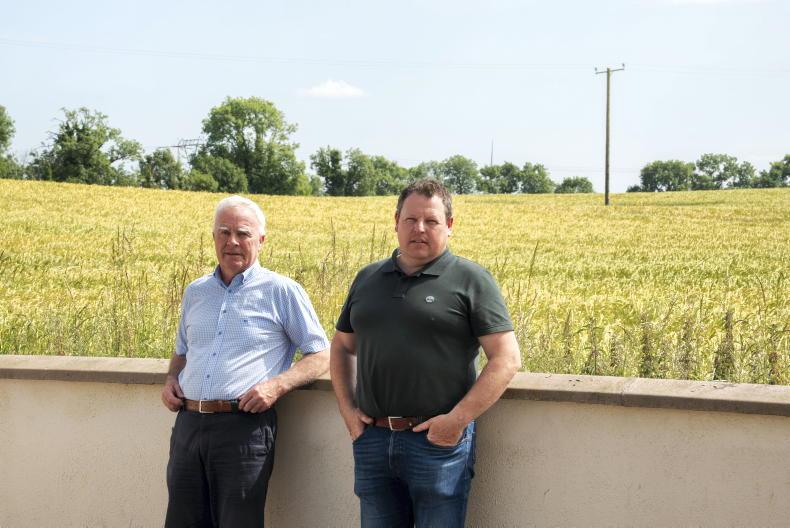
A farming community in the heart of Co Westmeath is hoping its objection to a €1bn data centre and solar farm, that has been granted planning permission, will save some of the country’s finest tillage land from commercial development.
Westmeath County Council granted planning permission to Red Admiral DC Limited last month for the data centre and solar farm, on a 600ac site, despite considerable opposition to the development in Rochfortbridge and the surrounding townlands of Collinstown, Farthingstown, Kiltotan and Oldtown.
Lumcloon Energy, the parent company of Red Admiral DC predicts the development will support 760 direct jobs and over 1,000 indirect jobs in the locality. It also believes the project will become a flagship for the midlands.
However, planning permission is being appealed by a group of local farmers, who say the loss of prime agricultural land, along with the impact the development will have on their farms and homes, makes the site wholly unsuitable.
Willie Carey, a suckler and drystock farmer says no one consulted the community before the planning application was lodged with the council.
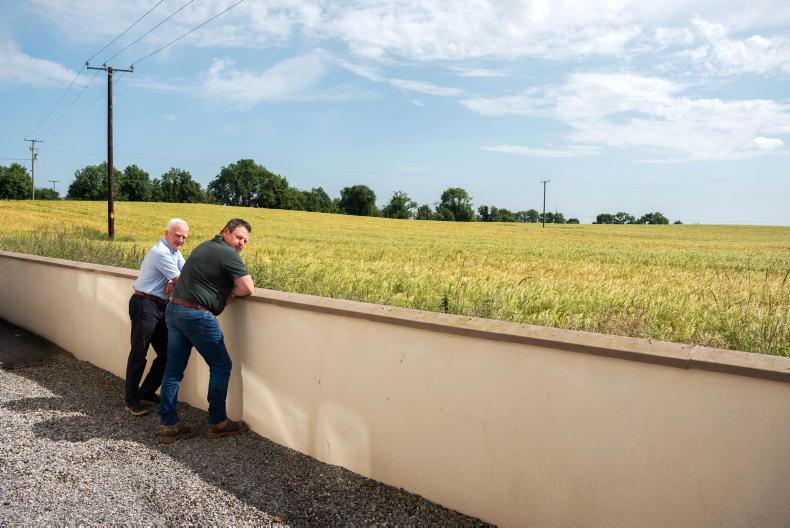
When I look out now, I see a crop of wheat on some of the top-rated land in the country. What will it look like if it’s filled with solar panels?
“The first we knew about this was when the site notice went up,” he says.
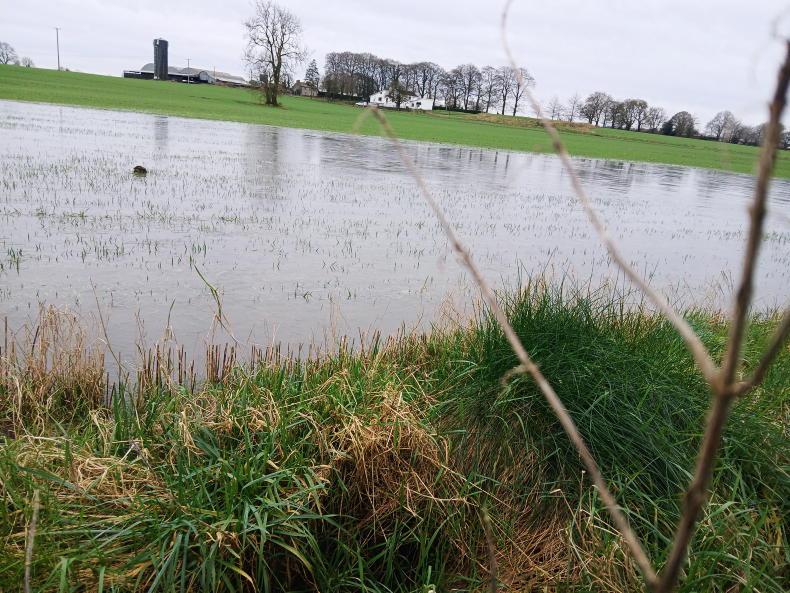
Willie is one of 40 local residents who lodged a joint submission to An Comisiún Pleanála this week, outlining their objections which include the lack of consultation, the impact on wells servicing homes and farms and flooding concerns in the region.
The community is also concerned the decision to grant planning contravenes a previous planning grant for a power station in the region.
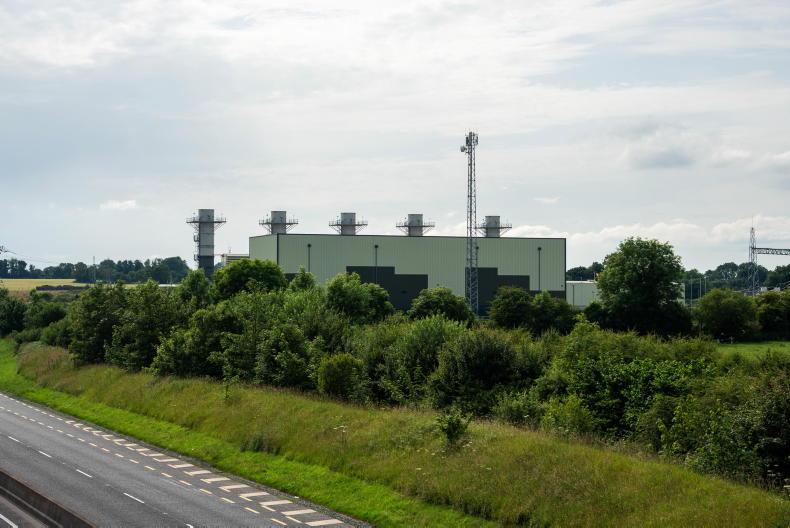
“Back in 2021, the Castlelost FlexGen Power Station got the green light but that planning application made no mention of a data centre or solar farm. It was granted on the basis it would support the national grid,” explains Willie. Castlelost FlexGen and Red Admiral are subsidiary companies of Lumcloon Energy.
“The work that has already been carried out on the power station has caused huge problems with dust.
“My father’s trailer business is directly across the road from it, and his machinery and trailers are covered in dust. He’s been in business since 1977 and this is the biggest obstacle he’s faced in almost 50 years.
“Dairy farms are monitored for dust in milk and yet the construction phase will impact on milk quality and hygiene for the duration of this work,” he continues. Willie says the decision of some farmers to sell land to developers for such mammoth projects has caused a lot of bitterness among local people.
“It’s been a divide and conquer approach and now people who have grown up together are no longer on speaking terms,” he says.
“People in this area feel that big changes are coming and that when the first planning application was approved for the power station, there was always a bigger picture that we weren’t told about.
“I was approached and asked if I would rent land for a solar farm before, but it’s a minimum 35-year lease and I don’t want to give up land that my four young kids could eventually want to farm one day.
“I was offered €1,300/ac, or €1,400 with sheep grazing but I wasn’t interested. Those kinds of figures, even after tax, are attractive because let’s face it you’re never going to make that kind of money farming, but people need to see the bigger picture. It’s hard enough to get young people into farming, if this happens there’ll be a lot less land for them to consider.”
‘Pure, solid greed’
Willie is also critical of the local authority’s inconsistency when it comes to implementing planning regulations. He says the financial boost to the council, which will yield an annual rates bill of €4m, along with an initial payment by the developer of over €8m, has been prioritised over the local community.
“What galls me is that when I renovated my uncle’s farmhouse for us to move into it with him, we had so many hoops to jump through when it came to meeting the council’s conditions,” he adds.
“Likewise, farmers are being forced to downsize herds to meet regulations but the council can come along and agree to a data centre with no discussion.”
People felt that when the first planning application was approved for the power station, there was always a bigger picture that we weren’t told about
Frank Kelly, another farmer affected by the proposed development says the plans are nothing more than “pure, solid greed”.
“These solar panels will be located right up against my boundary wall on what is a flood plain. It makes no sense to put this kind of thing here, when there is another similar development planned over the border in Co Offaly. That is on Bord na Móna land that is less than 4km from here,” he says.
“I was approached once by the developer after the planning application went in. There was no point talking to them at that stage, they should have contacted us prior to the submission of planning.”
Frank says he fears for the future of the area if the development is not stopped and says more value has to be put on the effect it will have on local communities who, he says, have been left in the dark.
“When I look out now, I see a crop of wheat on some of the top-rated land in the country. What will it look like if it’s filled with solar panels?” he asks.
“We are not opposed to solar. We all know that renewable energy is crucial in this country, but we object to development that is being foisted in on top of communities with no consultation nor regard for how it will affect our day-to-day lives and livelihoods.
“This data centre will require three wells to be drilled, which will have huge implications for a lot of homes in this community. Between boreholes and natural wells, you’re talking about close to 100 wells around here. The vast majority have been servicing households and farms for well in excess of 60 years.
“But we haven’t been given any chance to raise these issues. The council decided to grant it, full in the knowledge of the considerable financial benefit it will bring.”
Energy policy objectives
Westmeath County Council will receive €8.24m in planning contributions towards public infrastructure along with a levy of almost €290,000. The 10-year planning grant includes 32 conditions, one of which requires Red Admiral to supply the authority with proof that energy consumed by the development is equal to that renewable electricity generated by the solar farm.
A spokesperson for Westmeath County Council said it would be inappropriate to comment as the application was now an active matter for An Coimisiún Pleanála.
The local authority’s planner’s report recommends the development be approved, as it represents “a coordinated and strategically located infrastructure development that makes efficient use of existing energy and telecommunications infrastructure, including the established grid connection serving the site”.
The council’s report also states the project “aligns with national planning and energy policy objectives relating to the delivery of strategic infrastructure, efficient grid utilisation, and the sustainable integration of large-scale digital infrastructure within appropriate locations”. This is despite a decision from An Comisiún Pleanála that the development was not a Strategic Infrastructure Development.
In a statement issued to Irish Country Living this week, Lumcloon Energy stated it had consulted with the community.
“The Red Admiral development was approved by Westmeath Co Council in June this year,” a spokesperson said.
“An extensive consultation process was also conducted with local communities and key stakeholders in the lead-up to the submission of the planning application.
Solar farm boundary
“This consultation process resulted in a number of changes to the design of the project and the solar farm boundary in response to feedback from neighbours and local groups.
“As the developer of the Red Admiral project, Lumcloon Energy will continue to engage with neighbours, local communities and key stakeholders throughout the development process.
“Red Admiral will be a transformational project for the midlands, delivering significant investment, employment and regional growth.”
An Comisiún Pleanála is obliged to deliver its ruling within 18 weeks of the deadline for appeal, which is due by mid-November.


SHARING OPTIONS