



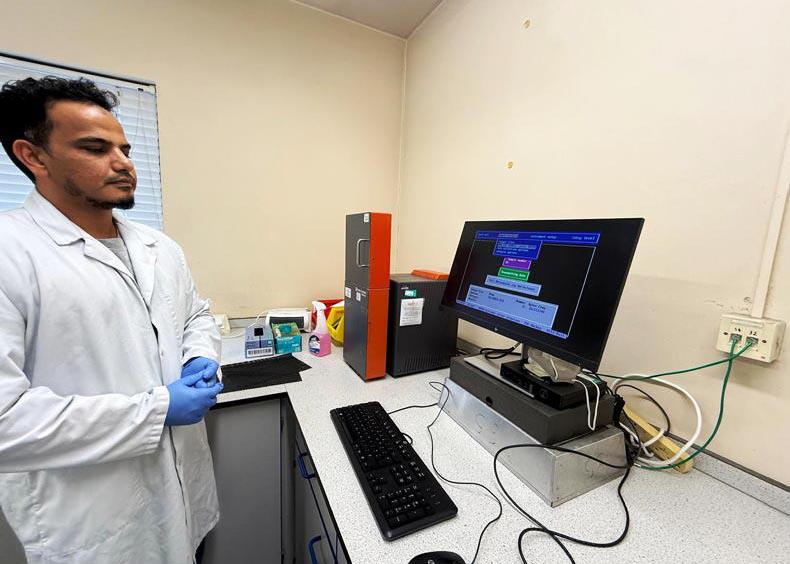
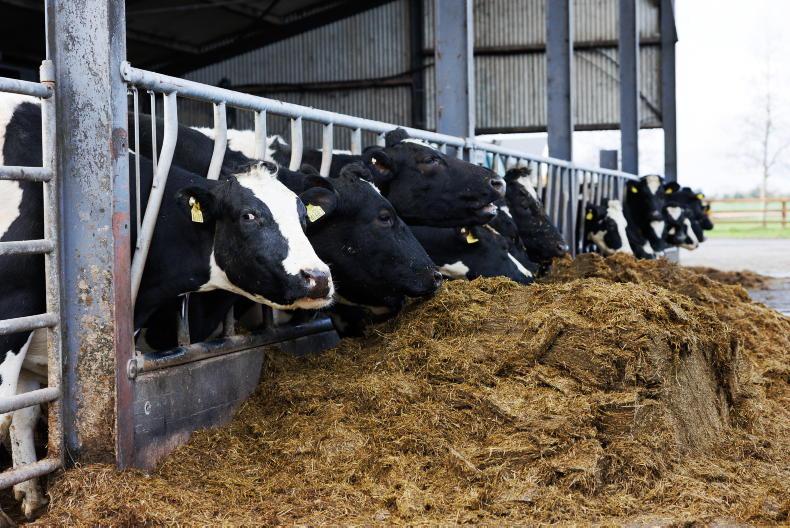
Most farms will test their silage or other winter feeds, but not know what’s involved in the actual process.
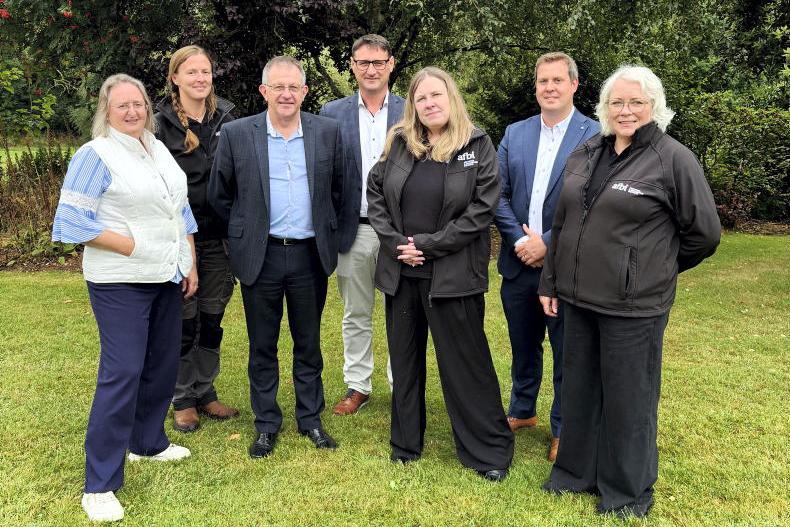
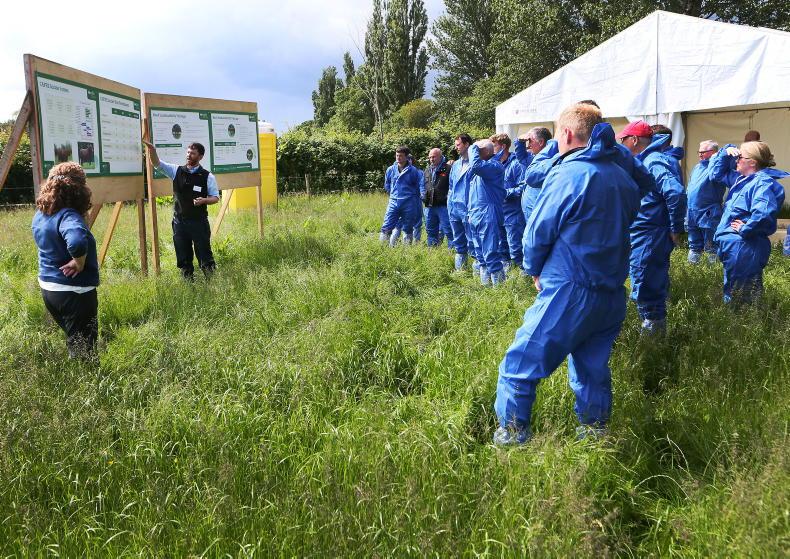
On a recent tour of the AFBI Hillsborough forage analysis lab, organised by the Agricultural Industries Confederation, the Irish Farmer’s Journal got to see what goes into providing accurate forage analysis results.
The Hillsborough site in Co Down, is the primary livestock and grassland research centre for the Agri-Food and Biosciences Institute (AFBI) in Northern Ireland. It’s also home to what’s known as the ‘master-lab’ for forage analysis on the island of Ireland.
The lab is capable of testing between 12,000 and 13,000 forage samples every year and is the gold standard for wet chemistry forage analysis.
One of 15 sites across the UK and Ireland under the Forage Analysis Assurance group umbrella, the Hillsborough lab is the yardstick against which all other samples taken by the FAA group labs are measured.
FAA
The FAA group, of which AFBI were one of the founding members, was formed back in the year 2000.
The organisation was established with the goal of providing accurate, consistent and comparable forage analysis for farmers, nutritionists and advisers.
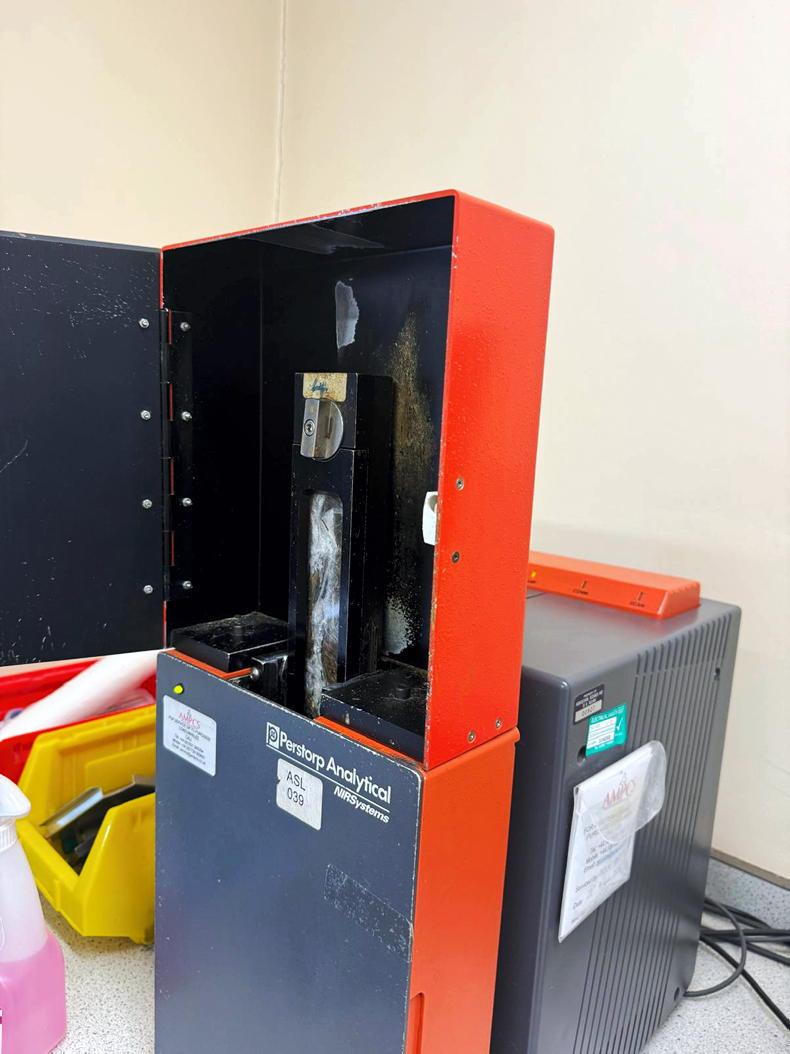
The technology they use is called near-infrared spectroscopy (NIRS). NIRS is the main methods laboratories use to analyse silage and other forages.
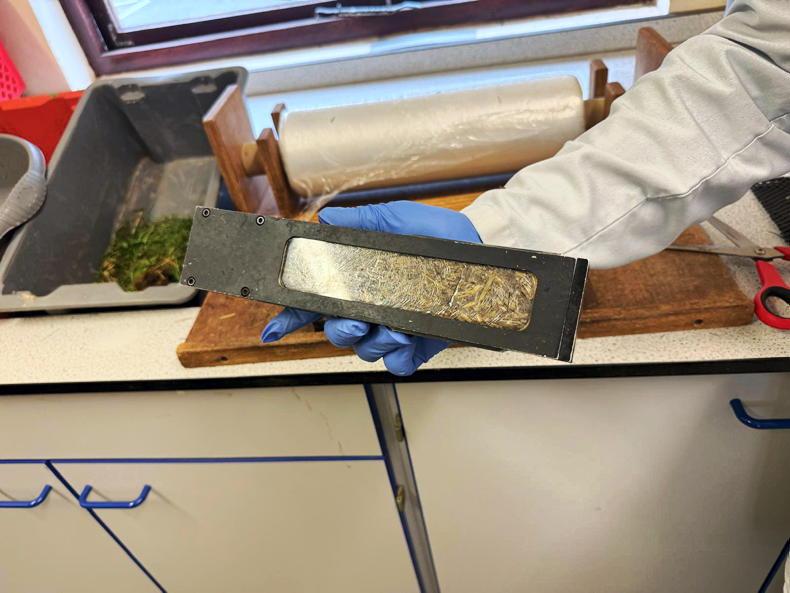
The basic idea of the analysis method is that a dried forage sample is exposed to near-infrared light.
Different components of the forage absorb and reflect that light differently.
The machine then reads the resulting spectrum in a matter of seconds and compares it against calibration equations developed using samples that have also been analysed by traditional wet chemistry on the Hillsborough site.
The FAA group currently oversees the analysis of forage samples in 15 member labs.
Analysis
Once a silage or grass sample is sent in, it is tested by technicians in the lab. The process is very quick and relatively simple with the results returned to the farmer in roughly 48 hours.
Every sample is tested twice to ensure the results are accurate and the testing costs in the region of £30 (€35).
The results of each sample will give information on the dry matter, crude protein, fibre, digestibility, energy and sugar content.
Hillsborough
AFBI Hillsborough were the pioneers in turning NIRS from a way of estimating the chemical composition of silage into a system that could then predict how forages would actually perform in an animal.
Researchers at Hillsborough developed what became the Hillsborough Feeding Information System (HFIS) in the late 1990’s.
This was developed over two to three years using 136 farms with grass silages of different qualities.
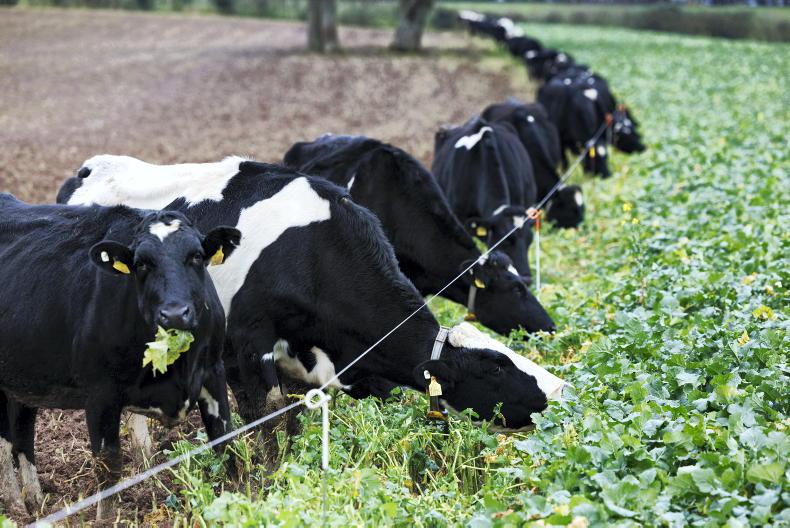
Those silages were analysed using conventional wet chemistry and NIRS, but were also actually fed to animals.
The researchers then analysed the faecal samples from animals versus the intake which allowed them to get numbers for digestibility, intake and animal performance.
Cattle were used to get an understanding of intakes while sheep were used to get a clearer figure on digestibility values.
This process allowed Hillsborough to develop NIRS calibration equations that could predict not just things like dry matter, protein, fibre and fermentation characteristics, but also dry matter digestibility values, potential intakes and potential milk yield and liveweight gain.


SHARING OPTIONS