



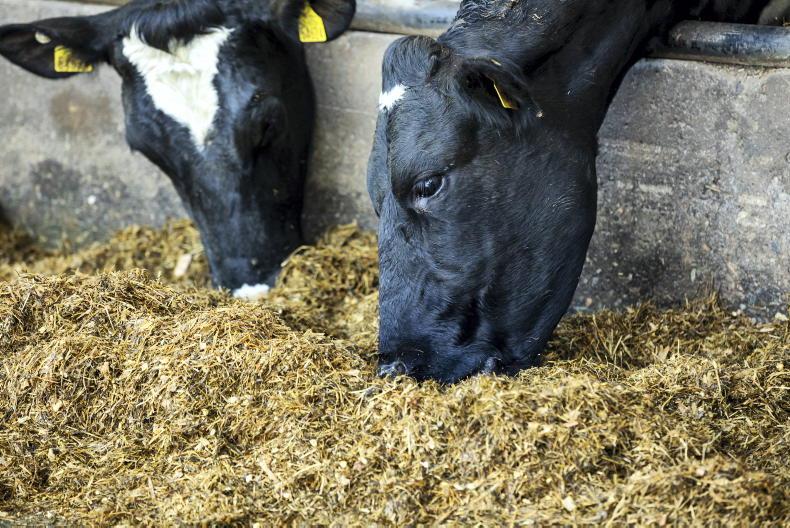
The winter milk story is an interesting one. Herd numbers are declining, costs are higher and the additional workload remains a major drawback. Despite all this, the milk pool is relatively stable and those doing things well are making just as much money as their spring-calving counterparts.
In order to remain profitable and compete with a spring-calving system, the messages are clear: utilise more grass over the course of the year, breed the right cow, keep supplementary feeding levels under control and mind costs.
That’s what the best autumn-calving herds are doing and they are reaping the rewards.
Costs on all dairy farms have skyrocketed over the past five years, but it’s fair to say those operating winter-milk systems have felt the worst of these input price increases.
On p46, Brendan Horan outlines that between 2021 and 2025, the cost of keeping a cow in a winter-milk system increased by €622. Coming from Profit Monitor data, the scale of the increase is quite startling.
Despite rising costs, well-run winter-milk farms continue to be profitable, helped by increases in the winter-milk bonuses paid by co-ops. In most cases, these bonuses have risen from around 7c/l in 2021, to between 11c/l and 13c/l in 2025.
On p47, I look at five key considerations when selecting the bull team for a winter milk herd.
On p48-49, we get an update from Teagasc Johnstown Castle’s winter-milk herd and look at some of the latest research being carried out there.
Home-grown protein sources and methane-reducing feed additives have both been trialled in the Johnstown herd, providing real food for thought when it comes to reducing farm emissions.
On this week’s Grass+ page we also have an update from Aidan Lawless on the Johnstown Castle’s herd’s current situation.





SHARING OPTIONS