


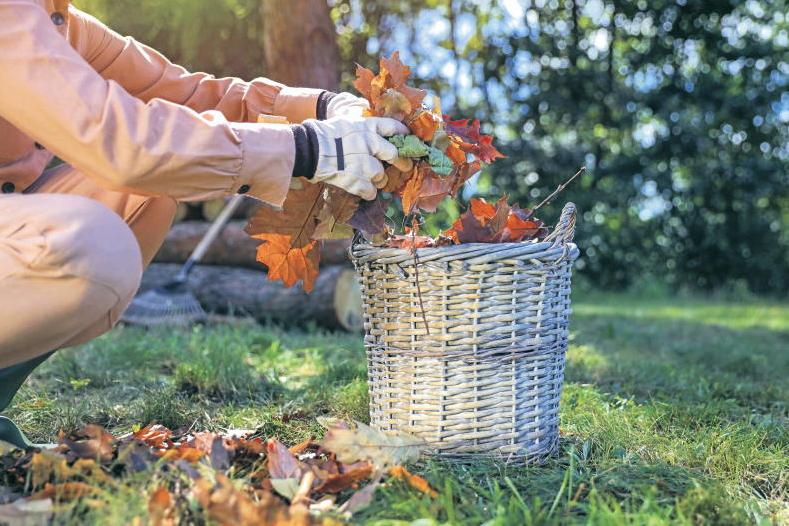
With the trees now bare and a carpet of leaves covering the ground, the time has come for us to get busy gathering this valuable natural resource. To some, fallen autumn leaves are a nuisance and collecting them may seem a rather thankless task.
However, they are abundant and free and can be transformed into something truly worthwhile. Often described as ‘gardener’s gold’, leaf mould is easy to make and provides a wonderful soil improver, mulch and an ingredient for homemade potting compost.
Leaf mould is produced through the decomposition of leaves by fungi and other natural organisms. Unlike traditional garden composting, which relies heavily on bacterial activity and heat, leaf mould develops through a slow, cool process. The result is a lovely, dark, crumbly material.
Collecting leaves
Leaf mould is best made from leaves alone. Most deciduous leaves can be used, although some break down more quickly than others. Thin leaves, such as oak, beech or hornbeam, break down readily while thicker, tougher leaves, like sycamore, walnut and horse chestnut, benefit from shredding before composting. This speeds up their decomposition. Evergreen leaves, particularly those with a waxy surface, are best avoided or used sparingly, as they can take a very long time to break down. Similarly, avoid collecting leaves from diseased plants, and never use leaves contaminated with chemicals or heavy road pollution.
A lightweight leaf rake is ideal for gathering leaves from lawns, paths and borders in smaller gardens, while a garden vacuum or blower can make the job easier in larger gardens. On lawns, an easy alternative to raking is to run a mower over the leaves with the blades set high, so that it collects and shreds them without cutting the grass. Avoid leaving a thick layer of leaves on the lawn, as this can smother the grass.
Making leaf mould
There are several ways to store leaves while they decompose. In a small garden, strong, black plastic bin bags are ideal. Fill them with leaves, add a little water until the contents are damp but not soaking, and pierce a few holes in the sides for ventilation. Tie the tops loosely and store the bags in a cool, shady spot.
For larger quantities, we use the large, porous, one-ton builders’ bags. As you fill the bag with leaves, water in the layers and check occasionally to ensure they remain moist. Leave the bag open to the elements or cover it with some old carpet.
If you have plenty of space and lots of leaves to collect, simply pile them into a heap or build a leaf pen to prevent them blowing about. Choose a cool, shady spot and make a cage-like enclosure using sturdy wooden posts hammered into the ground and surrounded by galvanised chicken wire.
Whichever method you choose, the important thing is to keep the leaves moist but not waterlogged. If they dry out, decomposition will slow considerably while excessively wet, compacted leaves can develop unpleasant anaerobic conditions. Shredded leaves generally break down faster, and turning the heap occasionally can help redistribute moisture and aerate the material to speed up the breakdown.
Using your leaf mould
Leaf mould can take anything from one to two years, or longer, to mature, depending on the type of leaves and whether they have been shredded. After about a year, it will often be sufficiently decomposed to use as a mulch around trees, shrubs and herbaceous perennials. Spread a generous layer over the soil to help suppress weeds, protect soil from temperature fluctuations and reduce moisture loss during dry weather.
It can also be dug into vegetable beds to improve soil structure. This is particularly beneficial in heavy clay soils where it helps create a more open, workable texture. In sandy soils, its excellent moisture-retaining qualities help prevent the ground from drying out too quickly.
Should I cut back my roses this month or wait until next year? – Miriam Flanagan
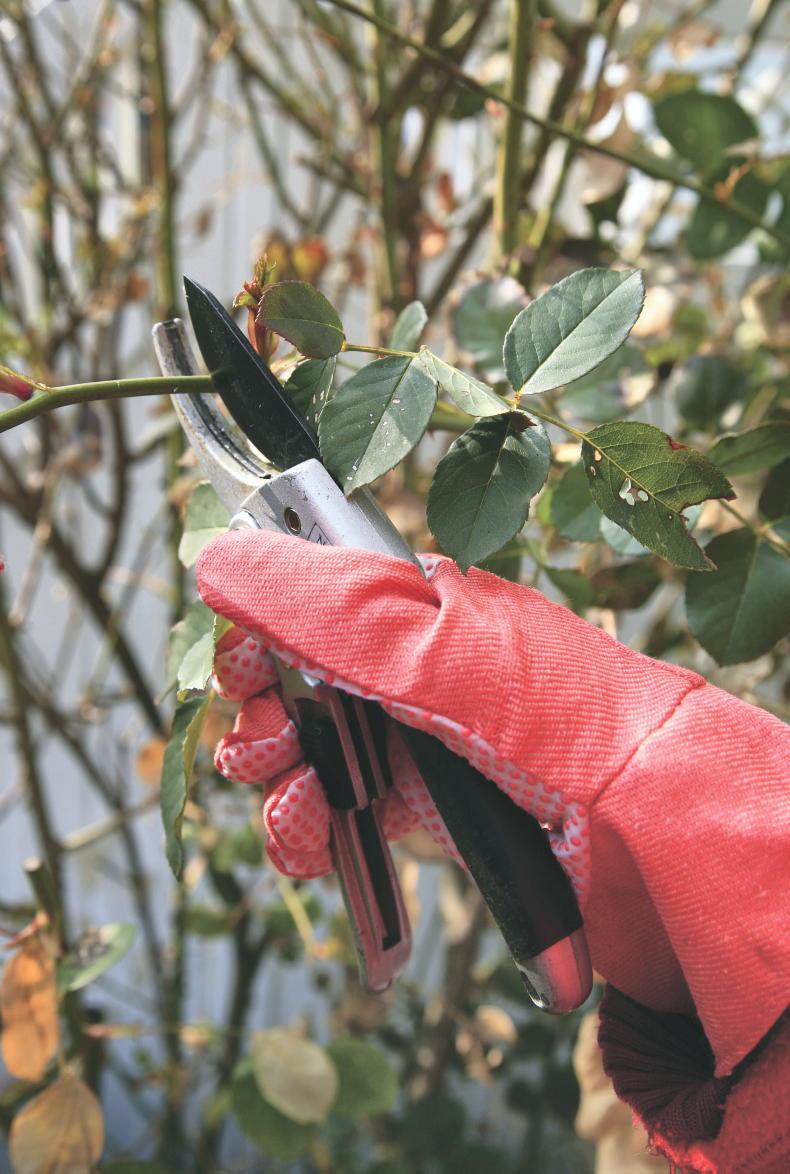
No, avoid heavy pruning of roses in November, as it can encourage tender new growth that may be damaged by frost. Leave major pruning until January to March. During November, you can reduce tall bush and shrub roses by about one-third their height to reduce wind-rocking in winter gales as this can loosen and damage the root system. Also, pick off and bin any remaining foliage that shows signs of disease, and collect fallen foliage, to remove sources of reinfection for new growth when it appears. Lightly trim or tie in long shoots on climbing roses to protect them from wind damage.
Plant: tulip bulbs during November when cooler soil temperatures can help reduce the risk of tulip fire and fungal disease.
Lift: dahlias, cannas and tuberous begonias that have been blackened by frost. Clean them off and store in dry compost in a cool, frost-proof place.
Remove: pond pumps and fountains to prevent ice damage when temperatures fall below freezing.
Protect: plants such as agapanthus and kniphofia with a thick mulch of straw or garden compost.
Do you have a gardening question? Email icl@farmersjournal.ie or post to Irish Country Living, Irish Farm Centre, Bluebell, Dublin 12.
Mary Keenan and Ross Doyle run Gash Gardens, Co Laois. www.gashgardens.ie

