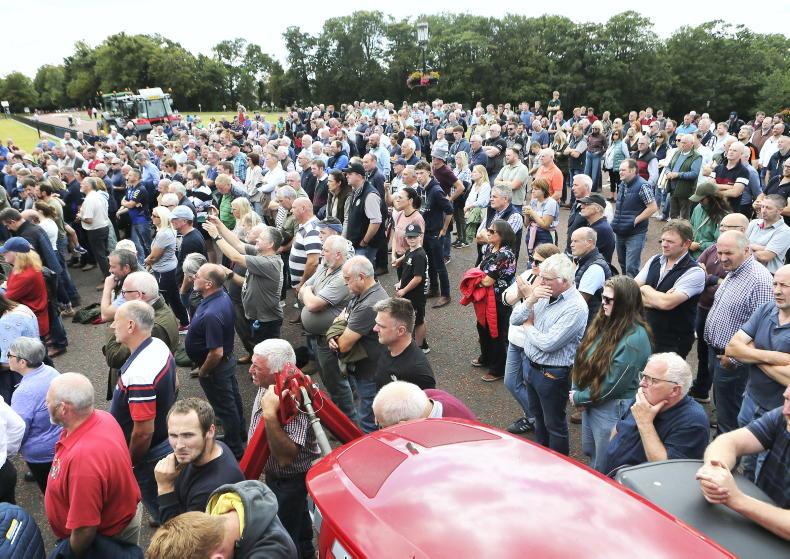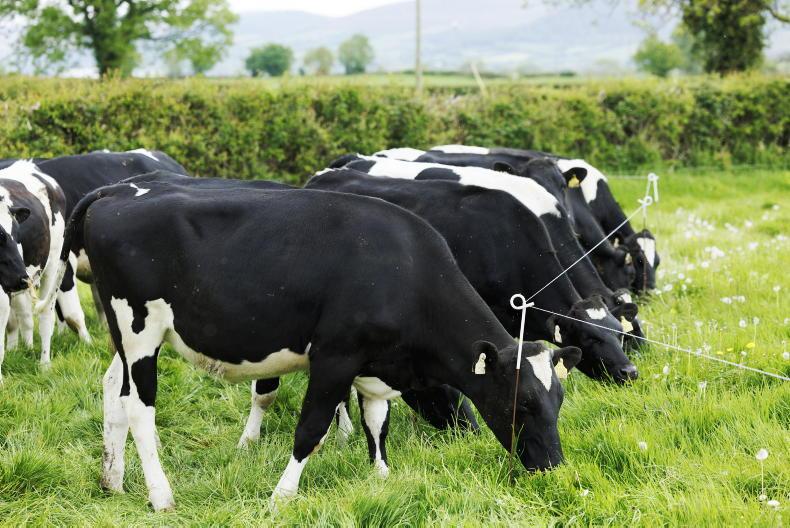

The permanent secretary of DAERA, Katrina Godfrey, has said she is ultimately responsible for decisions made by DAERA officials relating to the shooting of 51 cattle on a farm outside Fivemiletown at the end of June.
Appearing before the Stormont Agriculture committee last Thursday, the top civil servant in the department refused to name officials directly involved in decision-making around the controversial cull.
She said “senior leadership” in DAERA was aware an operation was to take place, although the actual cull itself was not authorised by either her or DAERA chief vet, Brian Dooher.
“But it doesn’t change anything because, as accounting officer, I carry responsibility for what happens in my department,” Godfrey told MLAs.
Review
The independent review into the cull by former Irish chief vet, Dr Martin Blake, set out in detail what happened on the first day of the cull and how a “well-intentioned” decision to suspend operations around lunchtime had contributed to a series of events later in the day.
That decision was to facilitate a sale of remaining live animals, but it led to cattle being chased around fields and escaping onto public roads.
In hindsight, Godfrey said that decision to suspend operations “was probably a mistake”, while she also confirmed she wasn’t made aware of what happened “until sometime afterwards”.
“I am also very clear that nobody was trying to keep anything from us. It was just an operational lens being applied, as opposed to a more strategic lens,” she said. Going forward, she maintained there will be senior oversight in place for any similar complex operations.
Failings
But as well as a timeline of events, the Blake review did highlight various failings by the department around planning, record keeping, communications during and after the event, and the fact dead animals were left in full view of local residents.
“I fully accept that we did not give sufficient consideration to the impact this operation could and did have on the local community,” acknowledged Godfrey.
She was also asked why she didn’t attend an extraordinary meeting of the Stormont Agriculture committee on 10 August to discuss the cull. She said the “specific ask” was for officials who were over the detail, the names of officials were provided and the department had not received any indication of a “change in the committee’s expectations”.
Also giving evidence last Thursday, DAERA chief vet, Brian Dooher, explained some of the reasons behind the decision to shoot animals in open fields, rather than attempt to move them off site.
He said the cattle were not used to being handled, were “easily agitated”, handling facilities were “not fit for purpose” and over 40% of the herd were ineligible for the food chain because of traceability issues. In addition, some cattle were horned and there were mature uncastrated males.
Dooher accepted “things could have been done better”, especially relating to lifting of dead cattle (which weren’t collected until the following day) and ensuring culling is done out of sight of the general public.
He said in welfare cases, the first objective is always to try to work with herdkeepers to bring them back into compliance and get them to sell animals, but often these “aren’t easy situations” which can extend over a long time period.
To help prevent animals suffering from poor welfare over a prolonged period, the Blake review suggested a different system could be deployed by DAERA, which would give inspectors the ability to seize animals at an earlier stage, without reverting to the courts.
The review also suggested a graduated approach could be used in culling operations, where a certain category of animals (eg entire males) is initially removed.
That would reduce the scale of the operation, allow any wild cattle to be culled and potentially encourage the owner to divest of remaining cattle. “It’s something we have to look at going forward,” said Dooher.