



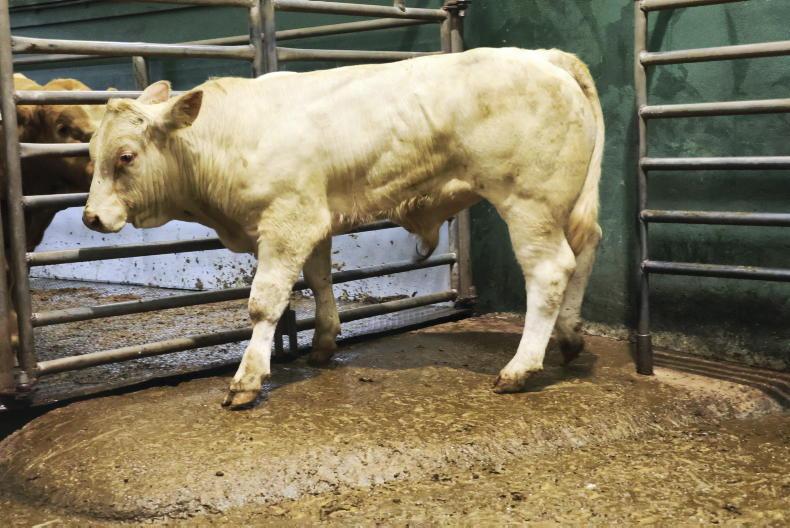
If the autumn weanling sales follow a similar trend to the prices being paid for lighter stock through marts in recent weeks, we can probably expect suckled calves to be back in price by around £100 per head on what was paid last autumn.
That would still leave the average for good-quality continental calves at prices close to 500p/kg, which at current beef prices, really leaves little margin for those buying the animals. At 500p/kg a 330kg bull calf would cost £1,650. To take that calf through to finish as a young bull next June will on average, require around 1.5t of concentrate and 4.6t of silage (in a very well-run system).
At a concentrate feed price of £280/t and assuming silage costs £40/t it is just over £600 of feed costs alone, before considering veterinary treatments, labour, machinery costs etc. and including any sort of margin for the farmer.
What none of the budgets allow for is poor performance due to animal health issues. Given the current cost of drugs and a potential vet visit, along with lost thrive, it is easy to see how a relatively minor pneumonia outbreak could easily cost over £100 per sick calf. Repeat outbreaks will cost much more.
It is here where those selling the calves really could make life a lot easier for those further along the chain. In too many cases, unvaccinated calves are taken straight off the cow and to the mart. These are incredibly stressful events and where animals are not vaccinated, there are real risks of a pneumonia outbreak.
Surely it is not unreasonable for sellers to make sure calves are fully vaccinated.
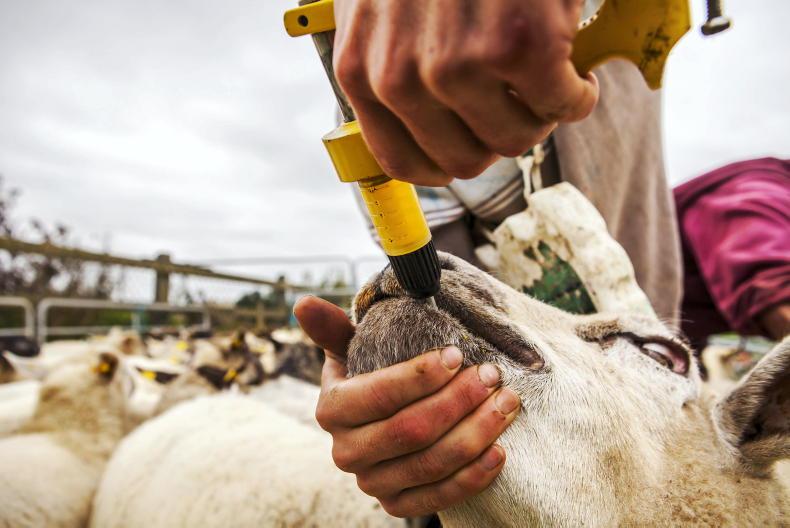
Two shots of vaccine, along with a single injection against IBR, will cost around £10 per calf.
That expense is only a fraction of the price received for the animals.
Those sellers who go to the bother of properly vaccinating their calves might not get rewarded in the first year, but they will have more repeat customers down the line.



SHARING OPTIONS