



The number of herds in England not officially TB-free is at its lowest level since 2003, the latest data published by DEFRA shows.
At the end of the 12-month period from July 2025 to June 2026, there were 1,459 TB-infected herds in England, which is less than half what was seen throughout much of the 2010s and the lowest since the 1,426 herds at the end of 2003.
Over the last 10 years, the number peaked at the end of 2017, when there were 3,139 herds in England not free of the disease.
Downward trends
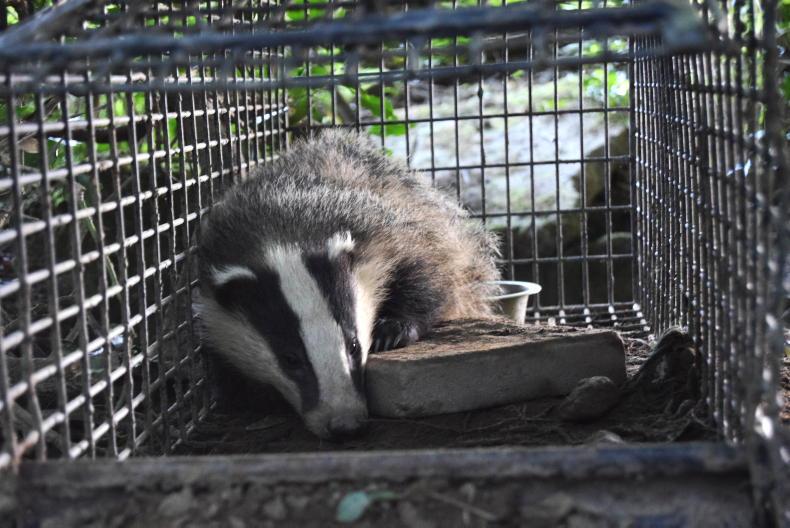
The other main TB statistics from DEFRA point to similar downward trends and suggest that the widespread culling of badgers in TB hotspot areas has had a positive impact.
In 2017, there were 32,418 cattle slaughtered in England following a positive TB test (both skin and blood tests) and in the 12 months to June 2026, that has dropped to 19,791.
Despite England having three times more cattle, it now has fewer TB reactors (both skin and blood tests) than NI.
In NI, DAERA measure the annual new herd incidence rate by dividing the number of new reactor herds by the total number of herds tested over the period. In June 2026, this figure stood at 9.51%.
Doing the same calculation for the English data puts annual herd incidence at 4.06%, down from 6.41% in 2017.
However, there is variation across England, with the country divided into three distinct areas. A high-risk area (HRA) mainly covers the west and southwest, where most of the cattle exist and most of the badger culling was done.
This is surrounded by an edge area (EA) and beyond that is a Low Risk Area (LRA) in the north and east.
TB rates in all three areas are down since 2017. In the HRA, at the end of 2017, a total of 12.6% of herds were classed as not officially TB free and this has now dropped to 6.4%. Over the same period, annual new herd incidence is down from 7.91% to 4.91%.
In the EA, 5.3% of herds were not clear of the disease at the end of 2017 and this now stands at 3.9%. In the LRA, just 0.3% of herds are not TB-free.
Wales
The latest DEFRA publication also includes data on TB in Wales and, like England, it is split into different areas based on infection rates.
Since 2017, there has been progress made in some of these areas, with the number of herds not officially TB free in the ‘High East TB area’ falling from 8.4% to 3.9%, while in a ‘High West TB area’ rates are down from 9.7% to 8.6%.
However, in two ‘Intermediate’ areas, rates of disease have increased.
The data suggest that annual new herd incidence across Wales (as its measured in NI) stood at 4.42% in 2017 and this has now dropped to 3.43%.
To date, the Welsh government has not adopted a badger culling policy and has instead, focused on badger vaccination to control the disease in wildlife.
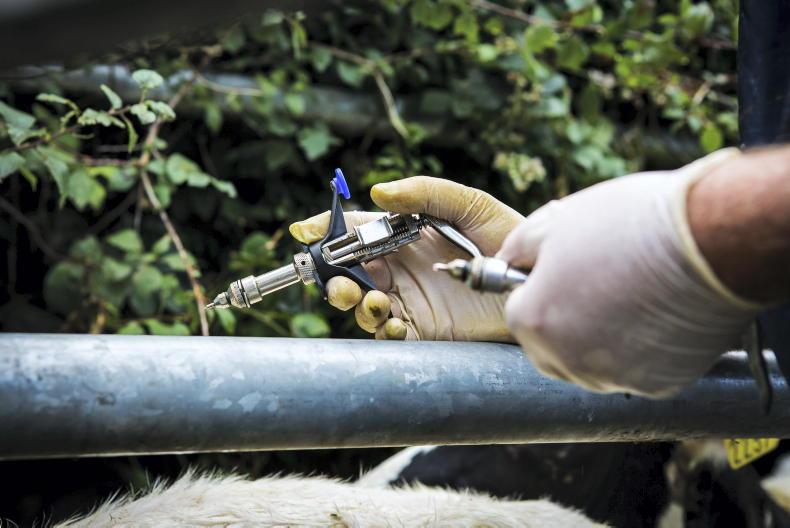
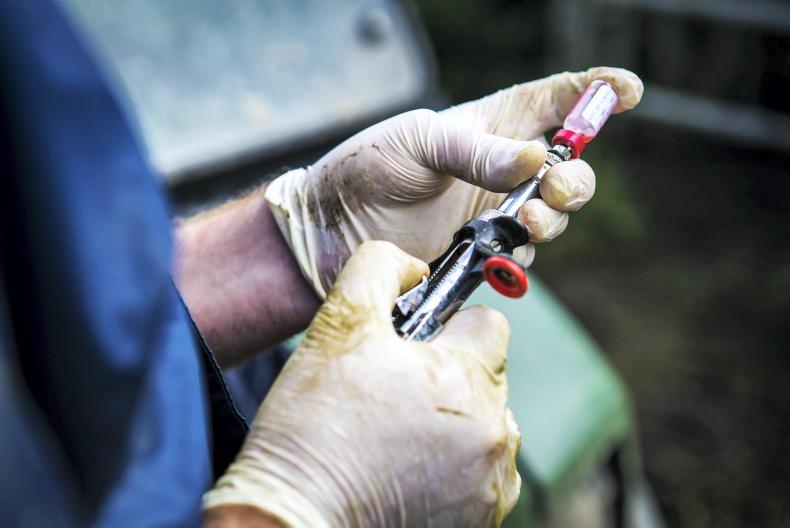
In England, the Labour government announced in 2024 its plans to phase out badger culling, with badger vaccination to be increased “at pace” and work to be accelerated on the development of a new cattle TB vaccine.
In the previous 10 years to 2024, around 230,000 badgers have been culled in England to help control TB.
When you actually compare figures, it becomes clear that rates of bovine TB in NI are significantly greater than England and Wales, to include the parts of both countries currently classified as being high risk for the disease.
England has now started to move away from culling and is focusing on badger vaccination as a means of controlling the disease in wildlife.
Given the progress made over the last 10 years, that is a valid policy decision, but it should not be used as an argument for NI to do the same.
NI has much higher rates of disease in both cattle and badgers, and we need to get the disease pressure down among wildlife by culling, before even thinking about mirroring what is now happening across the Irish Sea.


SHARING OPTIONS