



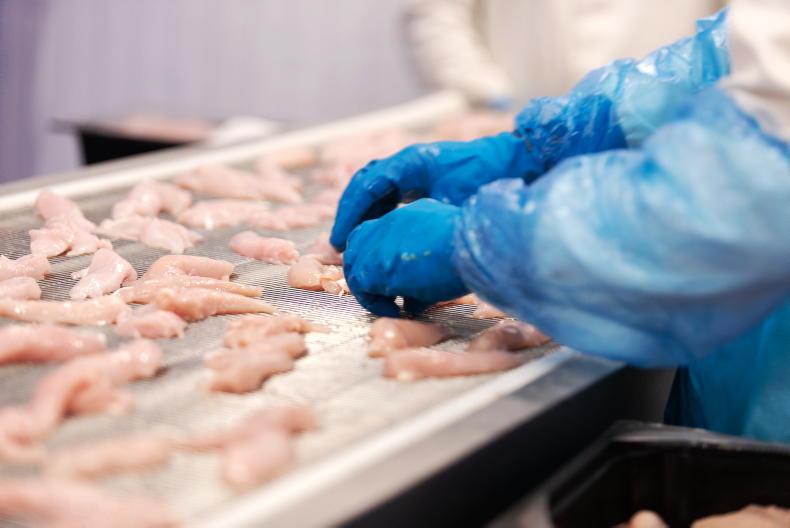
A recent EU food-safety audit carried out in Brazil looks to have re-opened the door to the South American nation's chicken, mere weeks after meat and animal products from Brazil were shut out of the common market on food-safety grounds.
Brazil was the EU’s largest source of chicken imports before the ban, and member states would need to approve its re-entry onto the list of countries eligible for poultry imports.
A vote by member states this May got the ball rolling on the exclusion of Brazilian beef, poultry and other animal products from EU markets amid failures by the Mercosur country to adhere to the union's antimicrobial rules.
That process came to fruition on 3 September when Brazilian meats were shut out of EU markets.
A route back
However, the final report of a European Commission (EC) audit completed over August and September into Brazilian chicken and honey indicates that those products could soon return to the EU. Beef was not included in this latest audit.
The auditors reported that a “recently implemented” system aimed at preventing the use of certain antimicrobials in the poultry and honey sectors “was operating effectively”.
The EU’s boots on the ground “found that the legal framework, manuals of procedures and training provided to national inspectors and official controls in place in Brazil are capable of delivering the guarantees required” under EU food-import law.
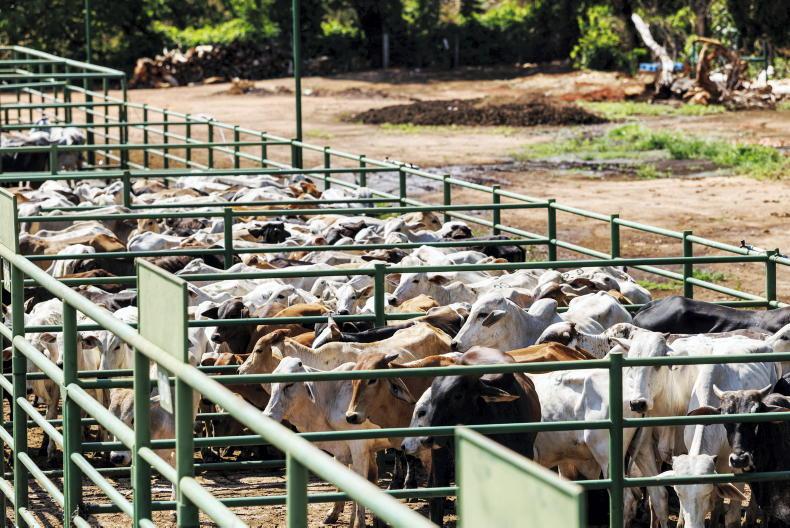
The report mentions that an antibiotic, prohibited in the EU for any use other than in treating human illness, has been banned in Brazil for use in beef and cattle.
It has not been banned, however, in the South American country for use in poultry.
The EU auditors said that non-compliance identified on farms that use these products on broilers, whose meat is intended for export to the EU, are “followed up in each case”. They added that the system is “capable of ensuring that a lot affected by a non-compliance is excluded from the production intended for the EU”.
Timelines
On-farm inspections undertaken by Brazilian authorities must check at least 1% farms in each region. These check, at a minimum, paperwork including invoices for feed and for antimicrobials; feed labels; veterinary prescriptions; and farms’ health programmes.
Brazilian authorities claim that this system has been in place since 1 July and that broiler flocks slaughtered since 16 August will have been reared in a compliant system for the duration of their life.
The point of compliance with EU antimicrobial rules covering an animal’s entire lifetime is a necessary step in the re-granting of EU market access.
For example, on beef, even if Brazilian authorities managed to get a compliant system in place by 1 January 2027, only the beef from calves born after that date would be deemed EU-export eligible, and not cattle that were slaughter-fit at this time.
2025’s failures
The positive signals from Commission auditors on Brazilian poultry come just months after the publication of inspections carried out roughly one year ago.
These inspections uncovered damning failures by Brazilian beef farmers and authorities to abide by the EU’s ban on hormone beef introduced after growth promoters were linked with cancer.
EU auditors found that Brazilian heifer beef treated with a banned hormone had been shipped to the EU and consumed across many member states, including Ireland.
The audit report highlighted that Brazil’s authorities failed to notify the EU when they became aware of the food-safety breach.
Furthermore, Brazil had not notified the EU that it had resumed the export of any heifer beef to the EU after a previous had sounded the alarm on the country’s non-compliances with EU regulations.





SHARING OPTIONS