



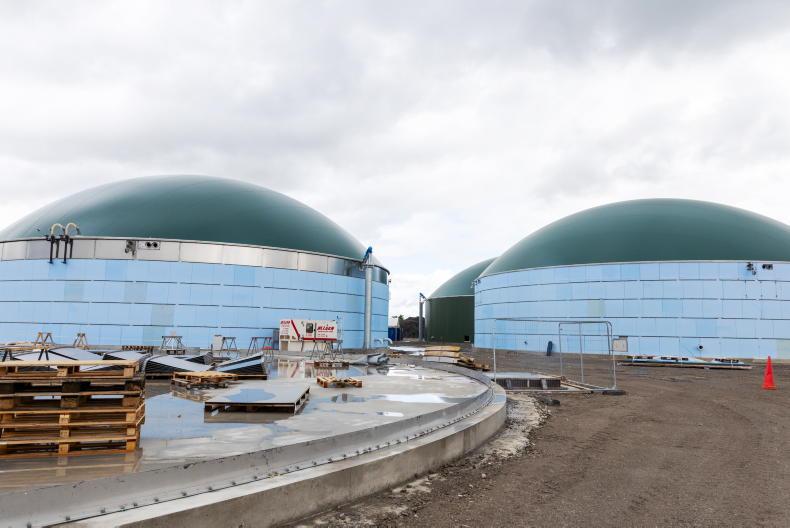
Ireland’s emerging anaerobic digestion (AD) sector has endured something of a rollercoaster ride during the first half of 2026. The European Commission’s rejection of a key element of Ireland’s flagship support mechanism, the Renewable Heat Obligation (RHO), a decision that came as little surprise to many within the industry, coupled with continued delays to policy decisions and the rollout of wider support measures, has made for a frustrating year so far.
The past few months have tested confidence across the sector. Many developers and investors could be forgiven for questioning if momentum was beginning to stall and whether Government truly viewed biomethane and AD as central to Ireland’s climate and energy ambitions, despite repeated commitments and ambitious targets. While many of those issues remain unresolved, the mood within the industry has begun to shift once again.
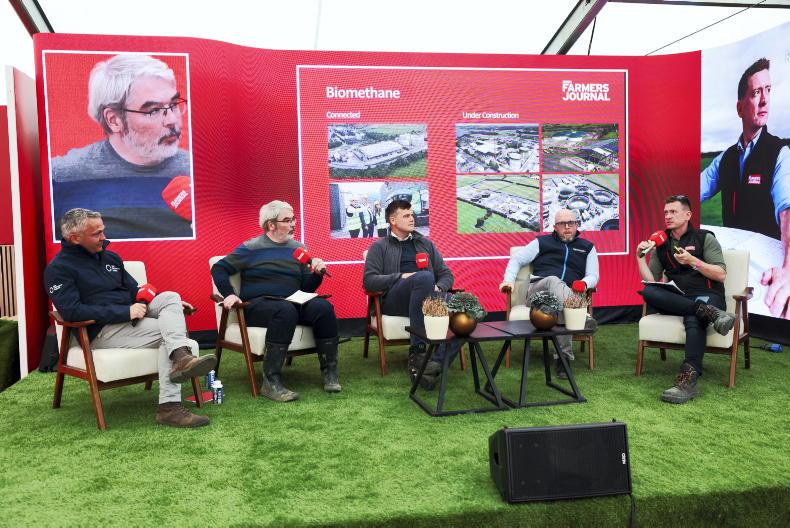
Last week, almost 300 delegates gathered in Dublin for the second annual Biomethane Day Ireland conference. Developers, gas buyers, farmers, policymakers, and representatives from across the AD supply chain came together to assess progress, discuss the challenges still facing the sector and consider what is needed to turn policy ambition into projects on the ground.
Minister backs biomethane
One of the long-standing challenges facing AD in Ireland is that it has historically fallen between Government departments. As a result, no minister took ownership of the sector.
That began to change with the publication of the National Biomethane Strategy, when then Minister for Agriculture, Food and the Marine, Charlie McConalogue, and then Minister for the Environment, Climate and Communications, Eamon Ryan, jointly championed its development.
However, questions remained over whether the Government genuinely believed in the technology, or whether biomethane targets were simply a convenient way to help meet Ireland’s climate obligations.
Those doubts only deepened as policy delays mounted and key decisions failed to materialise, reinforcing the perception that Government ambition was not being matched by action.
However, Minister for Climate, Energy and the Environment Darragh O’Brien used his opening address at last week’s conference to firmly nail his colours to the mast. He delivered the strongest endorsement of biomethane by a Minister to date, and made a clear commitment to seeing the industry developed.
Conversations throughout the day suggested that the penny may have dropped at Government level. There was a growing recognition that the Government cannot set ambitious biomethane targets, encourage an industry to invest and expand, and then fail to deliver the policies and supports needed to make those ambitions a reality.
Seven plants
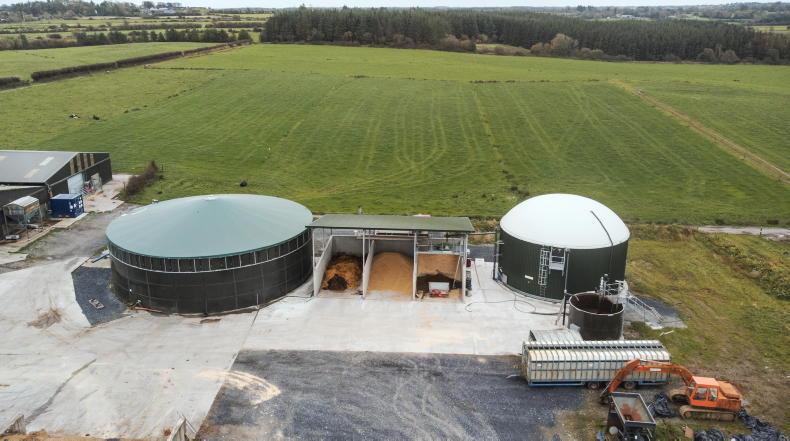
The Minister said that Ireland’s biomethane deployment is moving into an implementation phase, with seven biomethane plants currently under construction representing approximately 12% of the national 5.7 TWh production target. Each of those projects, however, has had to find their own challenging route to development in the absence of the RHO.
RHO
On policy delivery, the Minister confirmed that the RHO remains one of the Department’s highest legislative priorities and stated that, although the European Commission did not support Ireland’s proposed multiplier for domestic biomethane, the scheme will proceed without it.
The draft legislation is in final legal review, with publication targeted for July, followed by enactment later in the year. In parallel, the Department will continue engagement with the European Commission while monitoring the interaction between the RHO and capital support. The €200m capital grant scheme is set to open later this year.
Planning guidelines
The Minister said that planning guidelines for local authorities for AD plants are currently in development. He said the guidance is intended to address the inconsistency currently being experienced across planning authorities, particularly in relation to zoning, permitted development and the interpretation of planning policy for AD facilities. In turn, this will provide greater certainty for developers and investors. The guidelines are expected later this year.
Meat on the bone
Seán Kinsella, principal officer at the Department of Climate, Energy and the Environment, provided the conference’s most detailed update on the RHO, confirming that the Heads of Bill have already received Cabinet approval and that drafting by the Office of Parliamentary Counsel is substantially complete. The legislation is currently undergoing final refinement before legal quality assurance by the Attorney General’s Office and subsequent Cabinet approval to begin the enactment process.
Two outstanding issues with the European Commission remain to be resolved: the treatment of biomethane imported via the UK and the eligibility of subsidised biomethane within the scheme.
Officials expect both issues to be resolved within weeks and indicated that they are likely to be addressed through the scheme’s Terms and Conditions rather than requiring amendments to the primary legislation.
Buyout
Kinsella confirmed that, once enacted, only a short implementation period will be required before the scheme becomes operational, with NORA already engaging with obligated suppliers to prepare for commencement.
He also provided greater detail on the commercial framework, confirming that the proposed RHO buy-out price will remain aligned with the Renewable Transport Fuel Obligation (RTFO) at €0.80/GJ (approximately 0.28 c/kWh).
He stressed that the buy-out mechanism is intended solely as a compliance backstop rather than the expected route to compliance, stating that the RTFO buy-out has only been used once in approximately 15 years.
Grants
On capital support, Kinsella confirmed that officials are reviewing grant rates and maximum grant caps following the European Commission’s rejection of the proposed domestic biomethane multiplier.
Economic modelling is also assessing differentiated support levels for small, medium and large AD plants rather than applying a single grant rate.
An Expression of Interest process is expected during September or October, followed shortly afterwards by the formal application process, with the Department targeting grant allocations before the end of 2026.
Delivery not meeting ambition
Despite the optimism throughout the conference, the realities facing the sector were never far away. Tom O’Brien, Group Chief Executive of Nephin Energy, who addressed delegates and also spoke to the Irish Farmers Journal’s Down to Agribusiness podcast, argued that while Ireland has set ambitious targets for biomethane production, progress on delivery has been far too slow.
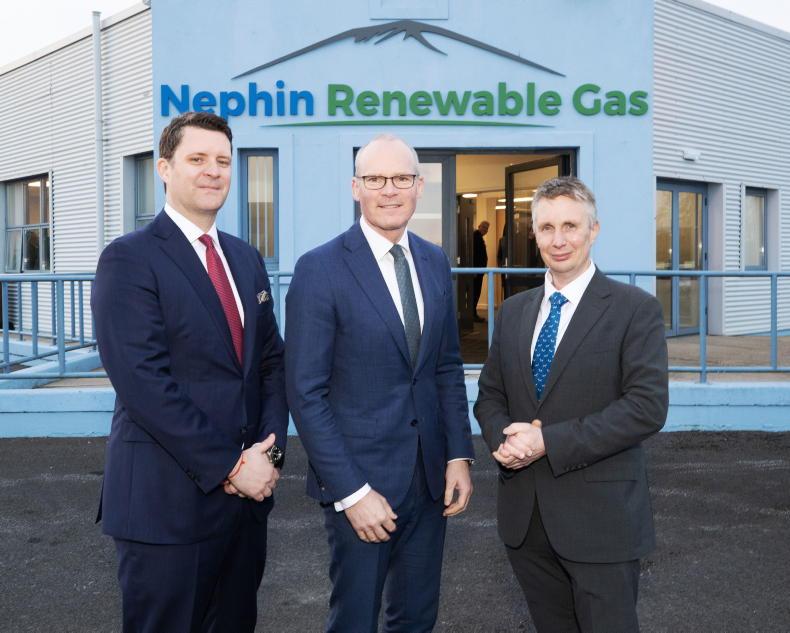
O’Brien said the sector has the investment, technical expertise and project pipeline to significantly expand domestic biomethane production, but warned that policy delays are preventing the industry from realising its potential.
He argued that ambition alone will not build the industry, pointing out that more than two years after the publication of the National Biomethane Strategy, developers are still waiting for key measures, including the Renewable Heat Obligation, capital grant supports and long-term funding for reverse compression.
While acknowledging recent announcements from Government, Gas Networks Ireland and the Commission for Regulation of Utilities, O’Brien said implementation has consistently lagged behind policy commitments.
Comparing progress to the Leaving Certificate grading system, he suggested the sector’s performance over the past year merited only a “partially achieved” grade rather than a higher merit or distinction.
He also criticised lengthy planning timelines, particularly delays at An Coimisiún Pleanála, arguing that any projects granted permission by local authorities should not face further delays before construction can begin.
His message to industry and policymakers was clear, Ireland has the agricultural resources, expertise and private investment needed to build a world-class biomethane sector, but unless Government moves from ambition to delivery, the opportunity risks slipping away.
Next week, the Irish Farmers Journal will take a closer look at some of the key technical presentations delivered at the conference.
The author is currently involved in a family/community proposal for an anaerobic digestion facility in Co Donegal.
To listen to the full interview with Tom O’Brien, follow the link.



SHARING OPTIONS