



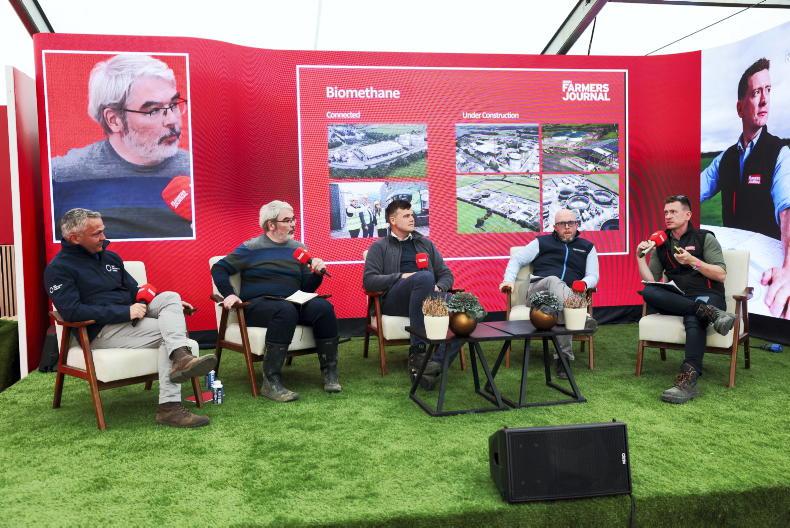
With the energy crisis deepening, producing more renewable energy at home can reduce Ireland’s exposure to volatile international energy markets.
But for farmers, the question is inevitable: what’s in it for us?
That was the focus of a renewable energy discussion at the Irish Farmers Journal stand at the National Ploughing Championships, examining the potential returns from wind turbines, solar farms, rooftop solar PV and biomethane.
Wind energy
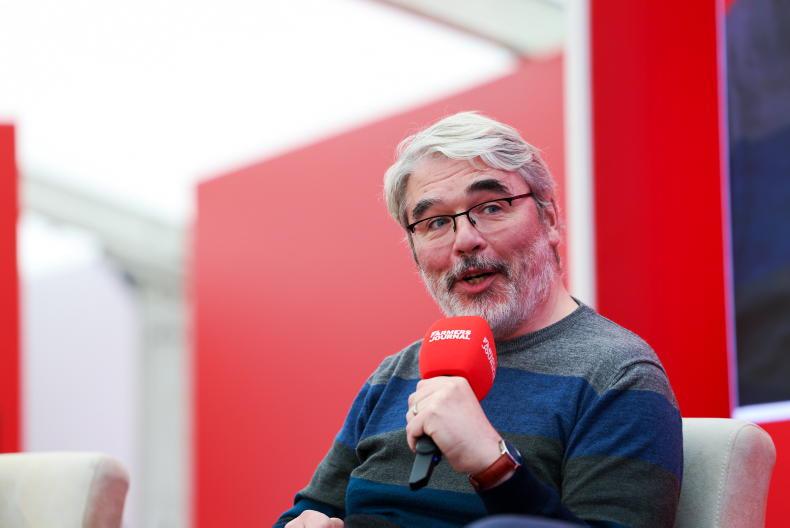
Justin Moran, director of external affairs at Wind Energy Ireland, explained that for wind farms, the first payment can come long before a turbine is built.
Developers typically seek an option over the land while they progress a project through planning and development. Moran put potential option payments at between €2,000 and €5,000 per year, although he stressed that agreements vary and the importance of an individual parcel of land to a project can affect its value.
If the development proceeds on the farm, the sums become considerably larger per turbine.
“You’re talking about €20,000 to €30,000 a year for the duration of the wind farm,” Moran said. With the operational life of a wind farm potentially stretching to 30 or 35 years, that creates a long-term income stream.
There can also be additional value in land required for access roads, cables and other infrastructure.
“If a cable needs to cross your land, then you’re entitled to be paid for that because you’re providing an asset or a service to the wind farm developer,” Moran said.
However, he said the first thing a farmer should do if approached by wind developers would be to seek independent professional advice before signing any agreement.
Solar farm rents
Solar farms, or utility-scale solar, are another increasingly visible income opportunity for farmers.
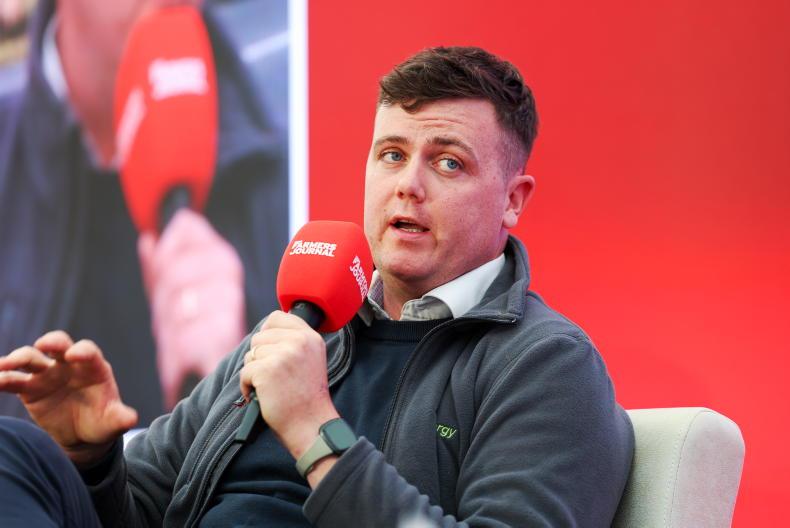
Aidan Stakelum, community engagement lead at Perigus Energy, explained that around 3.5 acres of land is required per megawatt of solar as a general rule of thumb.
However, the economics of grid connections mean developers are increasingly interested in substantially larger blocks of land, with around 100 acres described as a likely minimum for many projects.
The most important factor is location. Developers are looking for suitable land close to substations or high-voltage electricity infrastructure, while topography, environmental constraints, nearby houses and planning considerations will also determine whether a farm is suitable.
For land that does meet the requirements, rents have been increasing. Aidan said that current figures are now in the region of €1,200 to €1,300/ac per year.
Payments can be CPI-linked, providing some protection against inflation over what can be an extremely long agreement. The development process begins with an option agreement, with the panel hearing that this could run for five years with the ability to extend it for a further five years.
If the solar farm proceeds, the subsequent lease could run for around 40 years. Maintenance can provide another possible source of income. A figure of around €200/ac was discussed for certain maintenance arrangements, depending on the project. However, farmers considering a solar lease were warned to look carefully at the implications for agricultural payments, taxation and succession.
Rooftop solar
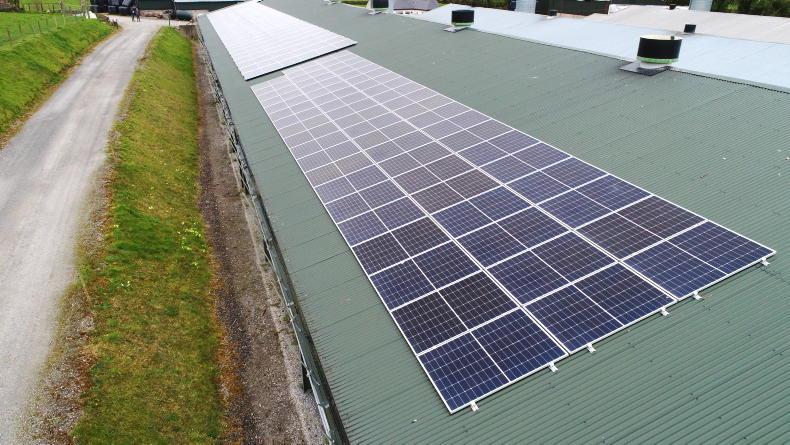
Rooftop solar remains the most accessible renewable technology. Kevin Carey, director of business development at Atlantic Energy Consultants, gave the example of a 120-cow dairy farm installing a 30kW solar PV system at an indicative cost of €38,200 plus VAT.
An SEAI grant of approximately €8,660 would reduce the net cost to around €29,540, with a typical payback period of four to five years, depending on the farm’s electricity consumption.
Carey said there remains considerable frustration about the availability of TAMS support for solar. While earlier tranches had a very high approval rate, more recent tranches had fallen to around one successful application in 10.
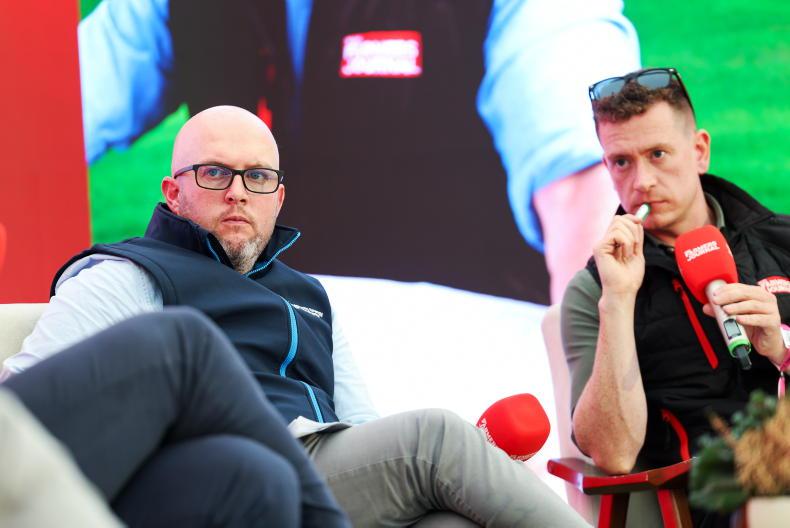
He said this was pushing more farmers, particularly larger electricity users such as dairy farmers, towards SEAI’s non-domestic supports, which offer greater certainty and a simpler route for farmers looking to invest.
One of the sharpest exchanges of the discussion came when the future of payments for surplus electricity exported from solar panels to the grid was raised.
Carey referred to recent articles and social media discussion which he said had raised questions about the future of export payments.
However, ESB Design Manager Colin Feely, who attended the discussion intervened from the audience to stress that there had been no official announcement from ESB to support those concerns.
“Just to clarify, to settle concerns, there has been nothing official put out from ESB on that,” he said.
“Any guidance on that will be given from the regulator to the ESB. They were speculative articles, and there’s a bit of social media as well in the last couple of days.”
He added that, as things currently stand, the existing arrangements continue.
The clarification is significant for farmers calculating the economics of a solar investment, although maximising the amount of electricity consumed on-farm rather than exported remains an important part of sizing a system.
Biomethane contracts
The income opportunity from biomethane is less straightforward to quantify, but farmers are expected to be central to the emerging sector.
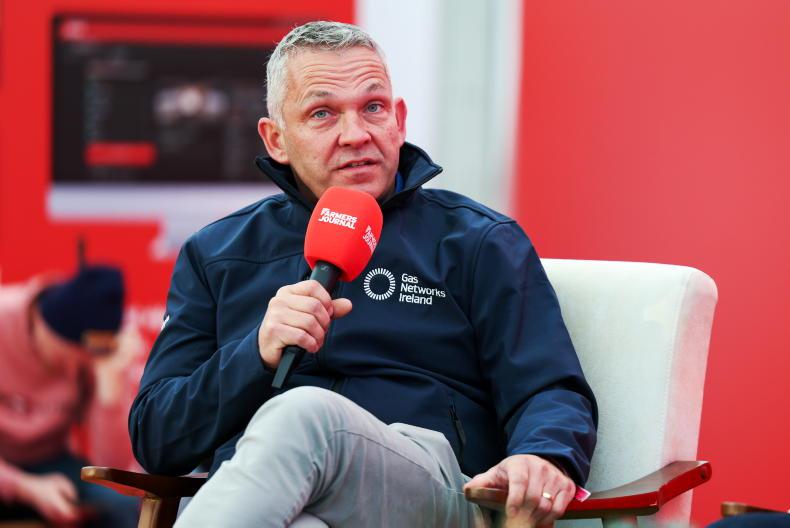
Gas Networks Ireland’s Seán Crowley said Ireland could ultimately require somewhere in the region of 60 to 80 anaerobic digestion plants to meet the State’s biomethane ambitions.
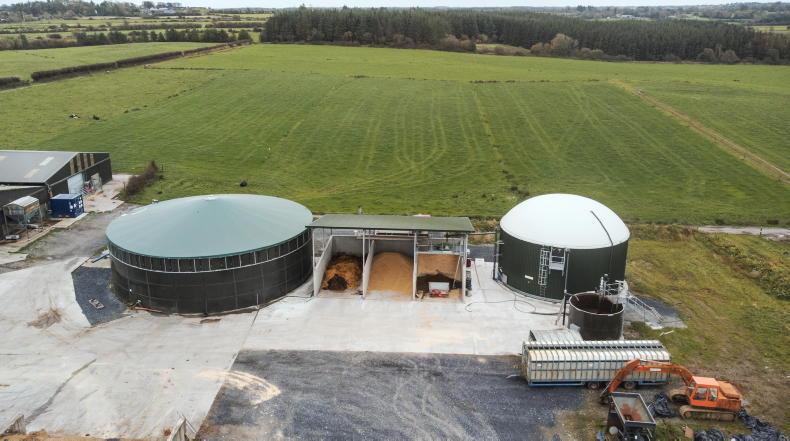
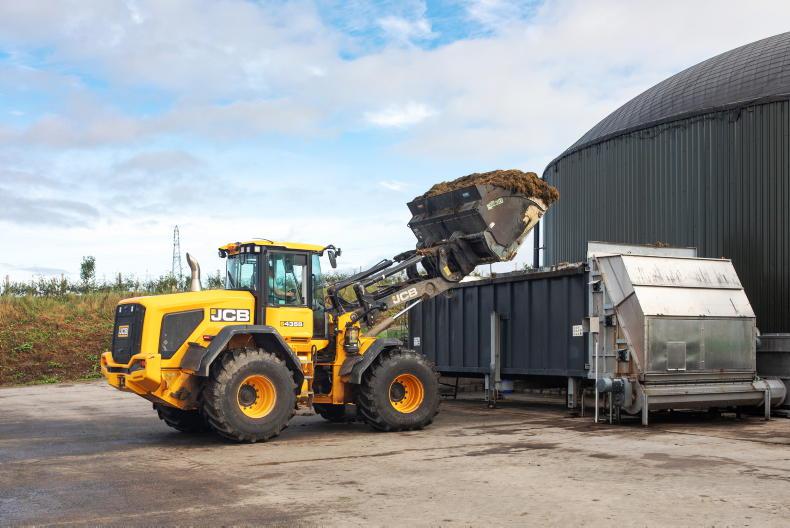
A 100GWh plant could require approximately 100,000t of feedstock annually, creating a potentially significant new market for agricultural material. The Irish model is expected to be heavily agriculture-based, using combinations of slurry, poultry litter, crops and other feedstocks.
For farmers, that could mean long-term contracts to supply crops or other feedstock, as well as arrangements under which slurry is supplied to a plant and digestate returned to the farm.
Crowley said the precise economics will differ between projects and will depend on factors including the type of material and its energy value.
Listen to the full panel here.



SHARING OPTIONS