
I can’t have been the only one struck by the contrast between the Irish Government’s negotiating position on COP and CAP. The Conference of the Parties on Climate has become an annual jamboree, and always in a beautiful location.
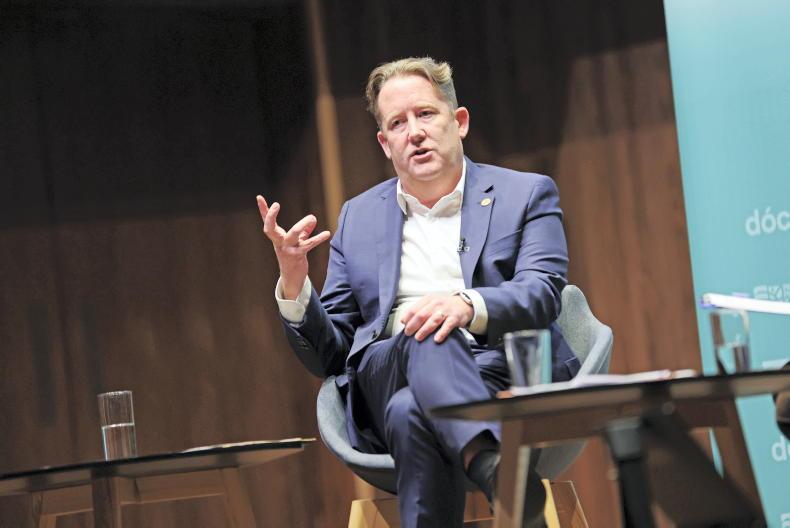
This year, COP31 was in the Turkish tourist resort of Antalya, but the sunny climes contrasted with the grey mood among the delegates. With Ireland holding the EU presidency, Minister for Transport Darragh O’Brien represented the European Union at the talks.
He must have been wishing he was still wrestling with the housing crisis, and failing. While Donald Trump, contemptuous of the notion of climate change, didn’t even bother to send a US representative; that didn’t dissuade oil-producing nations from trying to remove a commitment to transition toward renewable energy resources.
Consensus (or compromise) grew less likely as the week went on, and the conference ended without any agreement.
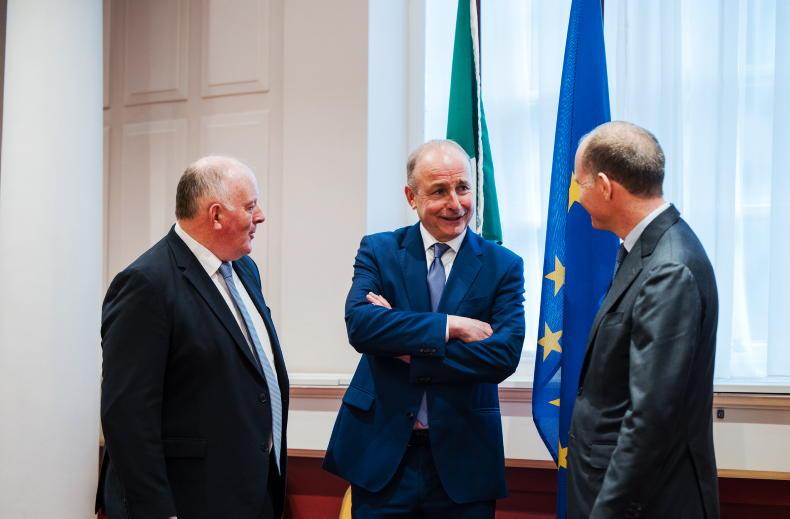
“No deal is better than a bad deal,” said O’Brien. He’s probably correct. Contrast this with the attitude of Micheál Martin to a CAP deal that will see funding cut by 24% (€94bn).
Remember, this is not a cut in an overall budget that is shrinking. The Multi-annual Financial Framework for 2028-2034 will grow by at least €540bn, (a proposal, from Council president António Costa).
It will be bloated by as much as €740bn if Ursula von der Leyen has her way.
Micheál Martin brokered a budget agreement among the member states somewhere in-between those figures, but he couldn’t find an extra euro for the CAP.
And by extra, I mean he couldn’t find a way of mitigating the 24% cut, other than to point farmers towards unused and unallocated funds. The 2026 equivalent of “there’s gold in them there hills, you just have to go and find it”.
This is surely the definition of a bad deal for farmers. Especially drystock farmers, reliant on direct payments because the market doesn’t return a margin over their production costs. Especially as these supports have been static for over 30 years.
And yet, Micheál Martin has been warning that any deal would be better than no deal. His logic is that the upcoming French and German elections could see the tide turn even further away from a decent deal for farmers. And he is not wrong here either.
Ultimately, the problem farmers face is that a seven-year deal is being brokered at a bad moment, when the US seems hostile to its former strategic ally, when the biggest economies are struggling, and when defending Europe’s eastern border from Russia, and its southern shores from illegal migrants, are the highest priorities for many nations.
We don’t have the luxury of saying “no deal, see you next year”. In Addis Ababa, in case you were wondering.