



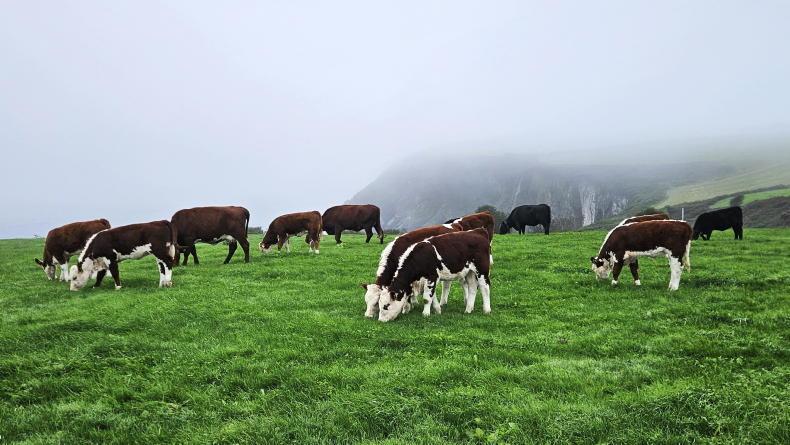
A clear TB test at the end of August gave some bit of scope for planning ahead.
And while cows were in, it was an opportunity to scan them.
Usually, the heifers are scanned first, but logistics decided otherwise this time.
Maybe it was no harm. I got a pleasant surprise with 98% of the cows in-calf. One has repeated since, but most of those held to first-service AI.
However, I won’t be 100% sure on that until the DNA results of the calves come back next spring. That figure included a synchronisation programme for the first-calvers, and all but one held to first service. Included in them was a second-calver who managed to pick up a bad dose of rumen fluke.
She was the most shook of the herd by a long way, with the dry spell not helping her, but she defied expectations and held to AI. That robustness never ceases to amaze me. You don’t make every breeding decision using only your eyes.
The heifers were the last to be scanned, and I don’t think I’ve ever faced into a scanning where I was as chilled out and hoping for a negative result.
Fortunately, that’s how it worked out, as they only had a 61% success rate.
Record breakers
Last year saw our biggest number of heifers born into the herd, but this spring broke that record.
This spring’s crop is better still, so that tempered what would usually have been a disappointment, when I was getting not-in-calf results from the vet.
Compared to other years, the spring 2025-born crew had a rawer deal since last autumn, and I think that worked against them.
That was definitely the case for those on the out-farm, where the commercial heifers were located. The pedigree heifers were kept closer to home, but I’ll need to review my plans for them next year as none held to first service. I think the fact they were kept with the first calvers didn’t work, especially when conditions began to dry up.
They were at the bottom of the pecking order, and where I would have liked them calving at the start, they will now be towards the second half of April rather than the first week of March.
Those pedigree heifers were lucky; they got a second chance, but the commercials didn’t.
Once they were bred at the end of their synchronisation programme, that was it. It allowed them to cull themselves out.
Breeding
It’s a while away yet, but my head is turning towards looking at breeding options for next spring.
Having seen those in-calf results, I’d be inclined to just tweak things slightly, and more so for the heifers.
A nice little system has now fallen into place for the cows, and I think what I need to do there is get pickier when it comes to matching bulls to cows. I also need to assess my options, in the event I get a higher conception rate with heifers next year.
Final decisions won’t be made until calves are on the ground next spring, but the selection process never ends. Cows will be inspected to see if there’s anything that makes them stand out for the wrong reasons, and the same can be said of the heifer calves.
We’ve only been using polled genetics since 2017, but there are five or six calves with horns appearing now, so that could see a few heifers knocked out of selection.
Along with that, any that act up in the yard won’t be calved down.
With every year that rolls by, the breeding bar is raised higher to decide who stays and who goes.



SHARING OPTIONS