
I am always interested in progressing my farm or trying to make things better. It nearly always starts with looking at different approaches to what I am doing. I am always keen to learn. There is nothing to be gained from standing still. If there are problems or issues, we need to be proactive and find ways of dealing with them.
To this end I have recently become involved in the CliBeef (Climate Friendly Beef Production) project, being led by the Agri-Food and Biosciences Institute (AFBI) in partnership with Teagasc, AgriSearch and Queen’s University Belfast.
It brings together 12 farmers (six from NI and six from the border counties in the South), with the aim to support innovation in agriculture to make beef farming more sustainable and climate-resilient. It is funded by the PeacePlus programme.
I have already encountered a degree of scepticism about the project from my farming friends.
Some think it is another way to torture the farming community about climate change.
My thinking is the complete opposite. I feel that we have to embrace new ideas and do everything in our power to meet climate challenges head on and prove that we are producing the most climate friendly beef in the world.
To this end we are investigating different mitigation techniques and trying to quantify what actually works on farms in different areas and under various conditions.
Then it will be a matter of showcasing these results to other farmers and letting them decide what could work for their business.
Learning
Like any other group it takes a little time to get to know each other and feel confident enough to open up about what we are doing.
I have always found that the best way to learn is peer to peer (in other words to learn from each other).
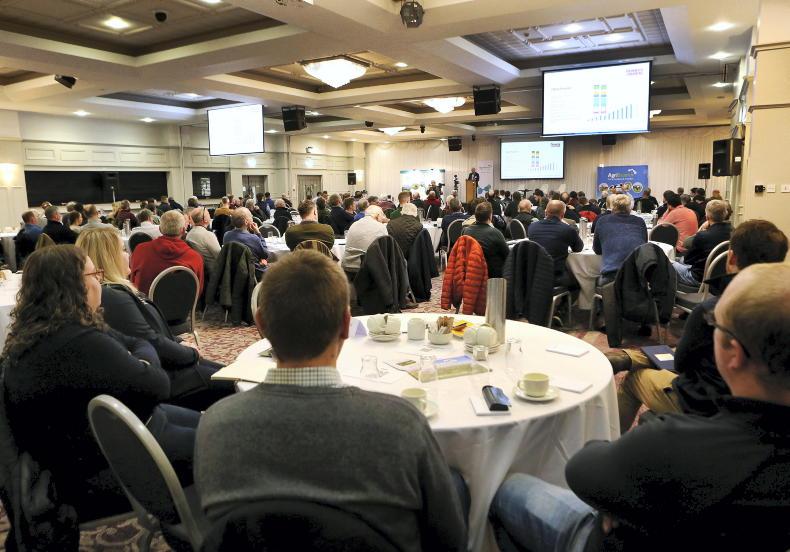
To this end we have had several group meetings and a short study tour.
That tour included visits to the Irish Cattle Breeding Federation (ICBF) research centre at Tully, as well as Teagasc Grange, before finishing up on the Kepak Farm in Dunboyne. Some of the things we heard were not new to me, but I always find that there is a lot to be learned from the side discussions with farmers or facilitators.
When I get involved in a new group, I am probably always slow to open up.
I am inclined to stand back and listen to others before saying too much. The first day was quite like that for most of us. It was subdued except for the few outspoken members in the group.
But by the second day everyone seemed more comfortable. There were a lot more side discussions and we were starting to learn where we were all coming from and what we hoped to gain from the group. It is a very wide range of people from all different backgrounds, systems, land types and prevailing weather conditions.
I am actually very excited about what different mitigations we are all going to try and I will be very interested to see how everyone gets on.
In my situation we are going to upgrade my cattle weighing system as I feel that it takes too long.
If I could do it faster and have more information when the cattle were going over the weighbridge, then I could react quicker. Ultimately, it will encourage me to weigh more often.
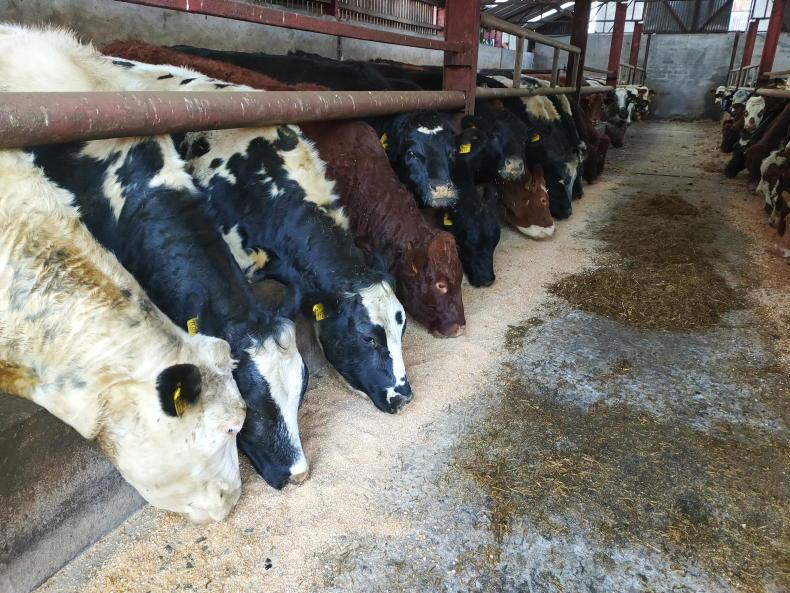
I am also going to do things around nutrition and feed programme development to try and maximise weight gain for the most efficient feeding, while continuing to look at improving soil nutrient balances and integrating more clover into my grassland.
Supply chain
One last take home message from our study tour was the way Kepak is working with suppliers to build up relationships and buy cattle direct from farm.
We often hear about the need for an integrated supply chain and in my opinion, this is where the future of farming lies.
Everyone from scientists to farmers, processors and supermarkets need to work together to produce a world class, climate-friendly product, while also ensuring everyone in the supply chain can get a sustainable living from it.