

DEAR EDITOR
How ironic that in last week’s Irish Farmers Journal, Adam Woods posed the question how will we feed 10 billion people and in a different article Matt Dempsey gave a partial answer, breaking the tremendous news of the planned acquisition by Teagasc of the hill farm at Leenane as a research station.
Comghairdeas Teagasc and professor Frank O’Mara in particular who, from his appointment, has been the first director of Teagasc to show a real interest in our uplands. He initiated excellent upland conferences (next one in Killarney 19 November) and has led on this far-sighted planned acquisition.
Our under grazed uplands can and will play a role in the planet’s food security with the leadership of Teagasc from this proposed research station.
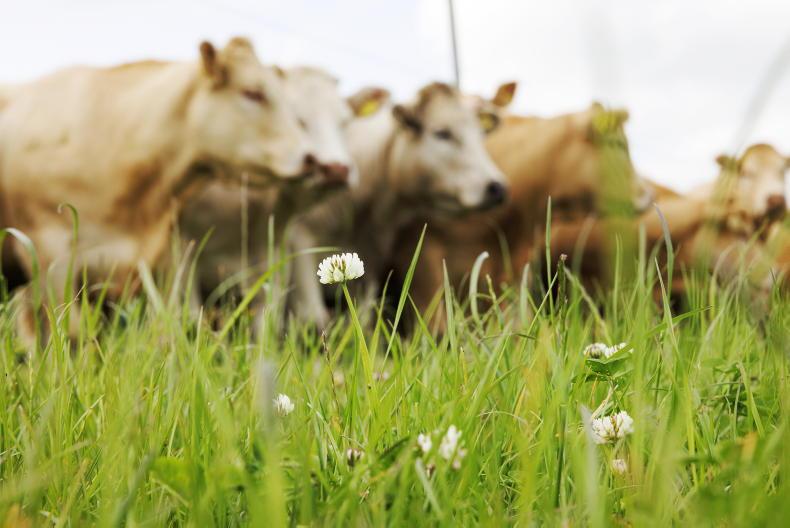
Matt Dempsey rightly points out the limitations of grazing solely with hill ewes, as well as hill lambs paying poorly, it leads to a loss of biodiversity. Suckling cow production with or without hill ewes as we have shown on Gáigín and Leamhachmhór mountains in Donegal is a more profitable enterprise.
Lacking research
However, to date we are farming in the dark, lacking in research and evidence to guide on optimum breeds, calving dates, stocking rates or the type of supplemental feeding to extend grazing seasons.
It is madness that in the absence of Irish research I’m trying to interpret publications from the university of Nebraska to guide me on supplementing our Galloway cows every six days with concentrates on a Donegal mountain.
Nebraska totally contradicts what I was taught about ruminal acidosis in UCD vet school 40 years ago.
Keeping families farming in the uplands has a massive societal benefit.
Thanks to Michael Davitt and the Balfour brothers, we still have the family farms in the hills who, with this new interest from Teagasc and the use of “no fence” collars, can restock the uplands with cattle.
Contrast what could happen if uplands abandonment continues as with our nearest neighbour Scotland which has allowed half their land to be bought up by 400 individuals or companies, many with little interest in food production.
The acquisition by the Danish Anders Holch Povlsen of 221,000 acres in Scotland for rewilding shows how in the absence of families farming, our uplands too could become the playground of billionaires. Farming families producing livestock profitably in the uplands will not sell land to such billionaires and will keep communities vibrant and villages alive. Ádh mór Teagasc in Leenane and I look forward to reading papers published on sucklers there in the near future.