



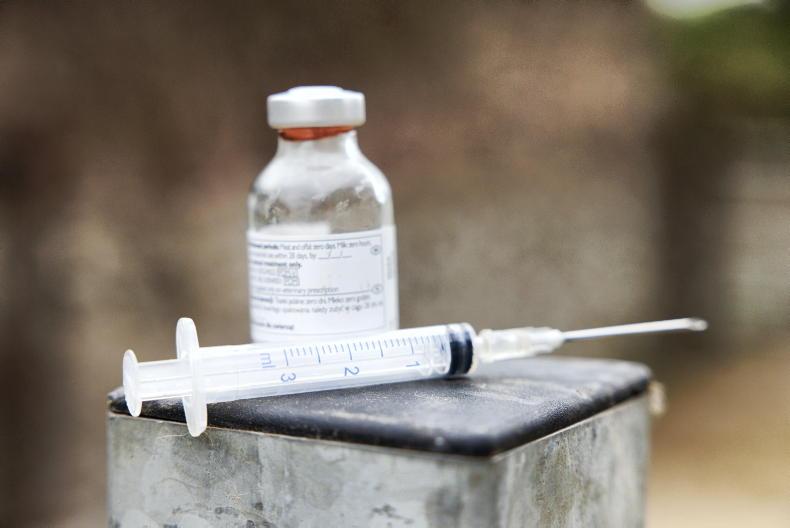
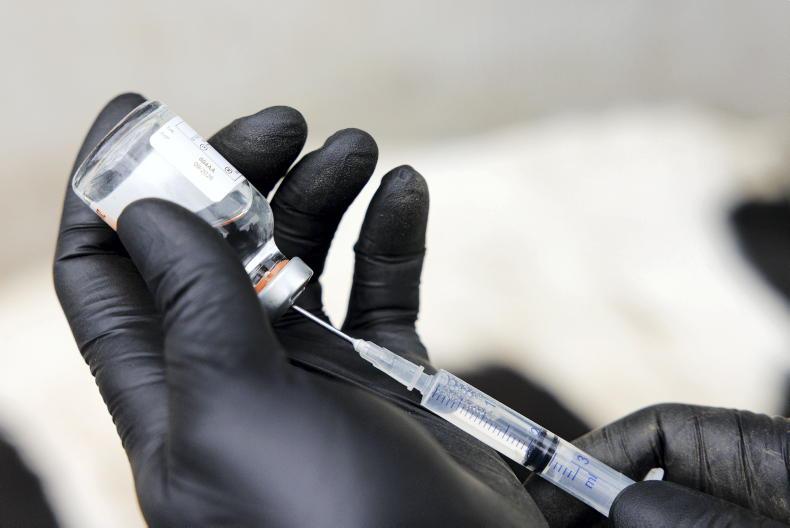
A judge at a district court ordered the Department of Agriculture to destroy around €100,000 worth of unauthorised veterinary medicines which it had seized following an investigation.
The order was made against a company at Navan District Court on 12 September 2025 in a case relating to a large number of alleged breaches of European Union (Veterinary Medicinal Products and Medicated Feed) Regulations 2022.
The breaches related to the importation, possession and online selling of unauthorised veterinary medicines by the company and its director.
The alleged breaches arose from information provided to the Department in October 2022 regarding a website selling veterinary medicines without a prescription, the Department said.
At a hearing in court, the company and director entered guilty pleas of all of the offences that they were charged with.
“The company was convicted of importing a veterinary medicinal product which had not been granted a marketing authorisation. The company was fined €300 and ordered to pay €5,000 plus VAT towards the Department’s legal costs,” the Department’s investigations unit annual report for 2025 details.
“The judge made a destruction order for all unauthorised veterinary medicines seized by the Department (which had a retail value of c€100,000).
"The judge applied the Probation Act to the director on foot of his co-operation with the investigation and early guilty plea. The director was ordered to make a €1,000 charitable donation to St Vincent de Paul Society,” it added.
This was one example of a number of prosecutions which arose from Department investigations last year.
As of December 2025, the Department had 50 investigations in progress, alongside cases awaiting. It closed 38 investigations last year, 32 of which were initiated in previous years.
New cases
Twenty-three new cases were logged with the investigations division last year.
Investigations initiated by the division in 2025 related to breaches of legislation regarding animal identification, registration and movement, veterinary medicines, animal by-products, pesticides, fertilisers, animal welfare and public health.
Nine out of these 23 cases were related to suspected animal welfare breaches, while seven were in relation to suspected cattle or horse identification, registration or movement breaches.
The report states that prosecutions are one aspect of the Department’s enforcement approach to addressing non-compliance and are the strongest enforcement tool to deal with the most serious cases.



SHARING OPTIONS