


Venezuela, one of the poorest countries in Latin America, has been doubly unfortunate – a devastating double earthquake has coincided with revelations that the country’s sovereign debt is far larger than had previously been admitted.
The dysfunctional government of president Maduro, removed to a US prison last January, had been fiddling the figures and there had even been some external purchases of Venezuelan bonds after the Americans replaced him with his former deputy.
The famed bond market vigilantes had been sleeping at the wheel, as they do from time to time. They were asleep in Ireland too, through the property bubble in the years leading up to the crash of 2008 when Irish bonds traded at a tiny differential to their German comparators.
Bondholders were lucky to avoid a formal restructuring (a euphemism for default) on Ireland’s sovereign debt, their fate in Greece.
The Irish financial crisis and the Troika programme which followed was the outcome of budget mismanagement and bank failures but the IMF fortunately participated in conditional lending to the Irish State.
This enabled the Government to rescue the bust banks, a disorderly default was avoided but several years of austerity followed, as did the collapse of popular support for the Fianna Fáil party at the election of 2011.
The IMF has excused itself from involvement in Venezuela and a New York firm called Centerview has been called in, apparently on the recommendation of one of president Trump’s ‘acolytes’, according to Gillian Tett writing in the Financial Times. In Ireland the extent of the crash of 2008 was initially under-estimated and the country’s entry into an IMF programme delayed until the autumn of 2010.
There were three components in the Troika which supervised the programme: the IMF, the European Central Bank and the European Commission. Only the IMF was adjudged by their Irish Civil Service counterparts to have done a competent job – for the European institutions, this was their first rodeo as no European sovereign had defaulted since 1953.
Should a Eurozone country get into trouble again, the IMF has indicated that the Europeans can sort it out for themselves – they see their role in financial bail-outs as no longer including the European single currency zone, a group of wealthy countries unburdened by collective foreign currency debt and with a central bank of its own.
Venezuela would be a natural IMF client in normal circumstances. If the resolution of the debt burden is influenced by American unilateralism, the preferred outcome of the ‘America first’ philosophy would be to favour US over other creditors – it is inconceivable that all claims, now admitted to be $240 billion versus an earlier figure of $150 billion or so, can be satisfied.
The Trump administration has already indicated that it feels US companies, whose oil industry assets were expropriated many years ago, should have first claim on any enhanced oil revenues which may prove possible.
But this would mean stiffing some other creditors, including New York hedge funds which took a punt on Venezuelan debt since the Maduro abduction. It would also constrain the availability of funds for domestic reconstruction and nobody knows yet what damage the earthquakes have done.
Economists have been warning that the exit of the IMF from crisis resolution makes a negotiated sharing of default burdens less likely. The New York fund managers will already be lining up attorneys to flood the courts with creditor lawsuits, a substantial fee-earning opportunity for the city’s standing army of corporate lawyers.
It is highly unusual for the IMF to stand aside as it has done, or been forced to do, in Venezuela, and long-term observers of financial crisis management are suspicious.
The specific fear is that the chosen advisers, Centerview, will choose to favour certain classes of creditors and will be accused of bias even if they strive to avoid it. The result will be a drawn-out resolution, longer than might have been the case with the IMF involved from the start.
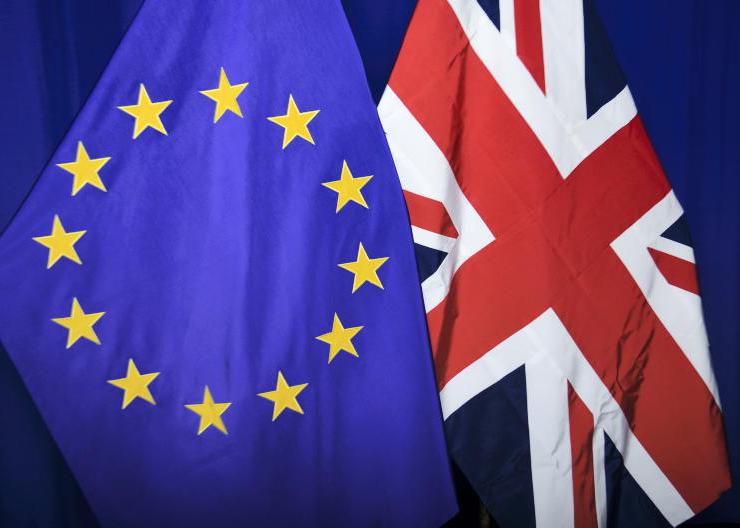
There will be no panel called the Troika charged with resolving the next Eurozone sovereign debt crisis, since the IMF has ruled itself out.
It will consist of the ECB and the European Commission only, both of which have recruited and invested in expanded capacity in bank supervision and resolution. It will need a name – Duumvirate is awkward, maybe The Tandem – and the risk of another banking bust has been addressed.
The ingredients in Ireland last time round included the mismanagement of fiscal policy alongside banking failures and there has been less progress here – sovereign debt in most EU countries has risen and the Commission complicit in schemes to push sovereign liabilities off balance sheet, for example for defence spending and even climate mitigation. Under-counting sovereign debt did not work in Venezuela.




SHARING OPTIONS