



A farmer in Devon, England, has spoken out about the devastation bluetongue virus has caused on her farm this year.
Cheryl Cottle-Hunkin, who is also a Liberal Democrat councillor, said that the bluetongue virus is hitting farmers in southwest England really hard this year.
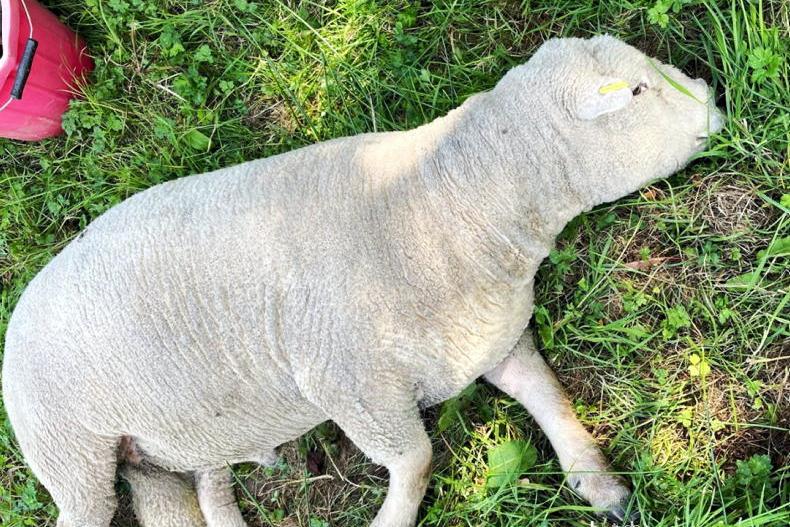
“The strain that is out this year is a lot more serious. We’re seeing animals just dropping down dead in the fields. I’ve been feeling guilty because we didn’t vaccinate for it last year, but I just want people to know they’re not alone.
“Everyone’s ordering in the vaccine now. It takes three weeks to work. We don’t 100% know if we’ve got it, but we’ve got blood tests taken, but the tests take two weeks to come back to confirm whether it is that or not.
“There’s no compensation for it, but it’s really the emotional loss. You’re going round scared to check the sheep.
“It’s really tough. I just want to make sure that people know they’re not alone. We thought we were alone. We didn’t know it was bluetongue, we haven’t heard that much about it, there’s been nothing in the media, so we didn’t know what the hell was going on, why our animals were dying.
"We had the best lambing this year, we didn’t lose a single ewe. It's really hit us now,” she said in a post on Facebook.
Surge in cases
The heatwave conditions over the past number of weeks in England have seen a rise in the number of bluetongue cases.
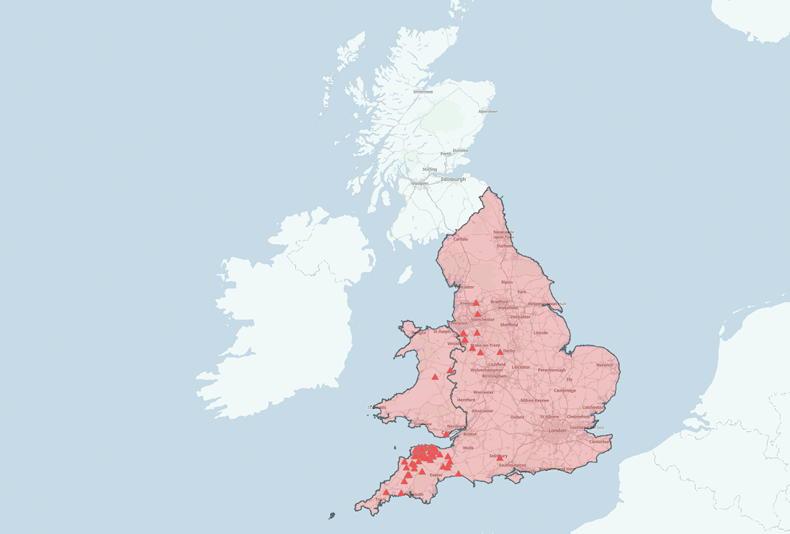
Since the Irish Farmers Journal last reported on case numbers, which as of 16 July stood at 10 sheep and four cattle testing positive in England, over 130 sheep and cattle have now tested positive for the virus.
Of this figure, 63 cases are in sheep, 42 are in cattle and one llama has tested positive for the virus. The vast majority of the cases are in England, with a surge in cases in the southwest areas of Devon, Cornwall and Somerset. A handful of cattle have tested positive in Wales.
Animals infected with the disease are displaying clinical signs such as drooling, ulcers in the mouth, lameness, stiffness and lethargy.
A cow in Wales, which was weak, had swelling of the eye, a fever and nasal discharge, was euthanised on welfare grounds.
A number of sheep have died from their symptoms.
Adrian Parsons is a farmer based in Cornwall and also a Liberal Democrat councillor. He said that England is unprepared for a disease outbreak.
“Heading out into the fields to see the sheep is not the pleasure it once was not knowing what you’re going to find,” he said.
“The flock is struggling and if this is what hotter summers are going to bring, we’re going to have to look at doing things differently. I’m afraid the consequences of bluetongue will be with us now for the breeding cycle, bringing financial losses and a toll on wellbeing.
“Thanks to our vets, as if it wasn’t for them, everyone else who should be on it appears not to have woken up yet. Again proving our country is unprepared for a disease outbreak,” he said.
Surge in cases reported to vets
Market Vets, a veterinary practice in Devon, has said its practices “have seen a huge surge” in suspected bluetongue cases in recent days.
“The team have been working round the clock visiting farms, testing suspected cases and providing advice and support to lots of worried farmers.
“The majority of cases so far have been in sheep, but we have seen some in cattle too the last few days.
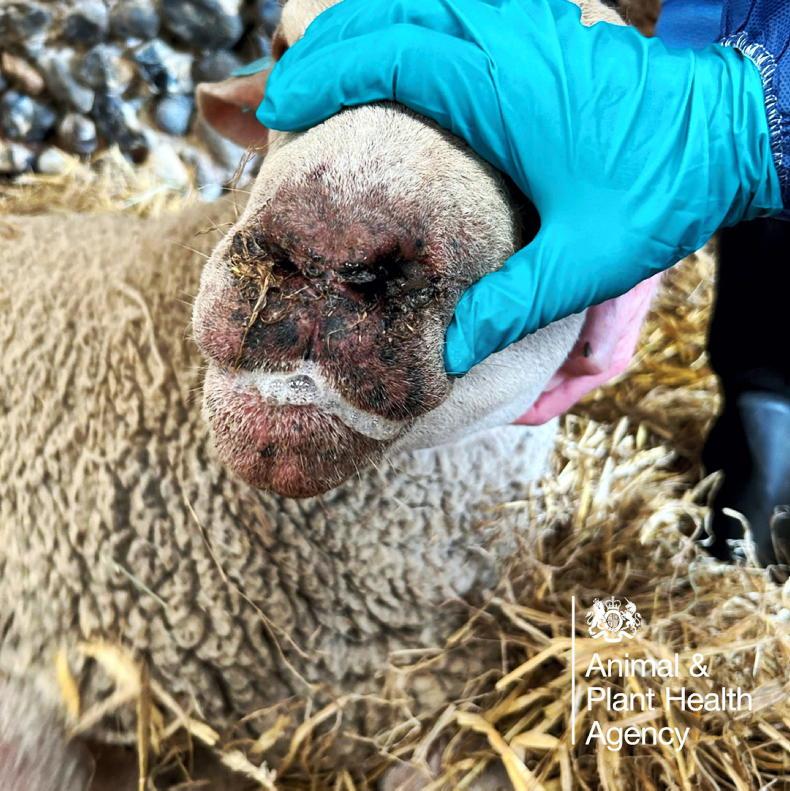
“Signs have ranged from just off colour or a bit lethargic to collapsed or just found dead. Common signs we’ve been seeing are swollen lips and faces, sores in the mouth and on the lips, drooling, crusty and snotty noses, high temperatures, lameness and sore feet.
“Sheep in general have been much more severely affected than cattle so far, but we are seeing a range of symptoms and not all signs on every farm,” the veterinary practice said.
In neighbouring Cornwall, Kernow Farm Vets is also experiencing a very high volume of calls and farm visits for suspected cases of bluetongue.
“Anecdotally, the cases we are seeing this year seem to be much more severe than last year, with a greater number of animals affected per herd or flock. Sheep seem to be more affected currently,” the practice said.
It warned farmers that as the virus can look similar to some other notifiable diseases, such as foot-and-mouth disease, it is important that a vet attends the farm to rule these out.
“As there are currently so many cases in the UK, we are having to wait up to two weeks for results to come back at the moment, but we are beginning to see the results for the first cases we saw two weeks ago and so far they have all come back as BTV-3. This is the most common strain in England currently.
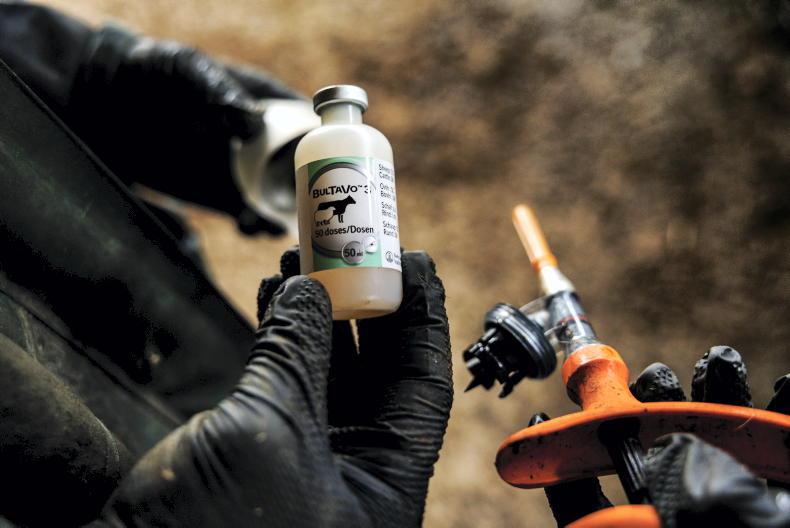
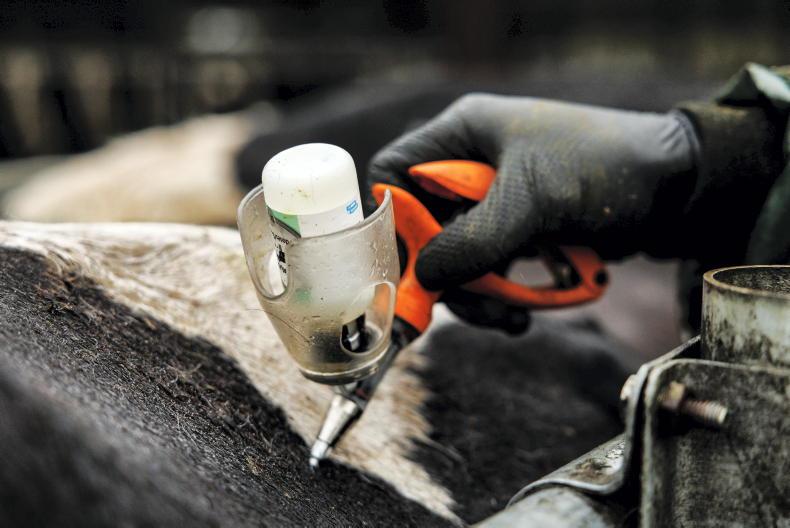
“There is no specific treatment, so we provide supportive care in the form of antibiotics and anti-inflammatories. Vaccination is an important part of protecting your animals and preventing the spread of the disease. It is important to remember needles can potentially transfer disease between animals, so disinfection is very important,” it added.
Ireland
The Department of Agriculture in Ireland has said that the increase in cases in England has included cases in animals “involving significant clinical signs”.
It has advised livestock owners to remain vigilant for signs of bluetongue and to consult their private veterinary practitioner regarding vaccination.
“It takes approximately six weeks for cattle and three weeks for sheep to develop full immunity following vaccination,” it added.
Around 5.78m doses of BTV-3 vaccine have been licensed for import into Ireland to date, the Department told the Irish Farmers Journal this week.
“Farmers have been very responsive to the threat and there has been good uptake of BTV-3 vaccination,” it said.


SHARING OPTIONS