
Sheep flocks saw an uplift in numbers last year, with over 26,000 additional head of sheep recorded in December 2025 in comparison with December 2024. However, this followed a sharp fall in recorded numbers in 2024 – when we saw the national flock fall by 93,000 head.
Labour is often cited as the main challenge with sheep farming, with an ageing population of farmers and reduced demand for breeding hoggets indicating no major uptake in numbers for 2026.
There are, however, several key areas in which farmers can invest or divert their attention, that will go a long way towards reducing labour associated with managing sheep.
1. Lambing facilities
Lambing accounts for approximately one fifth of the annual labour requirement, so it is an area where significant gains can be made. The higher the litter size, the more labour associated with lambing.
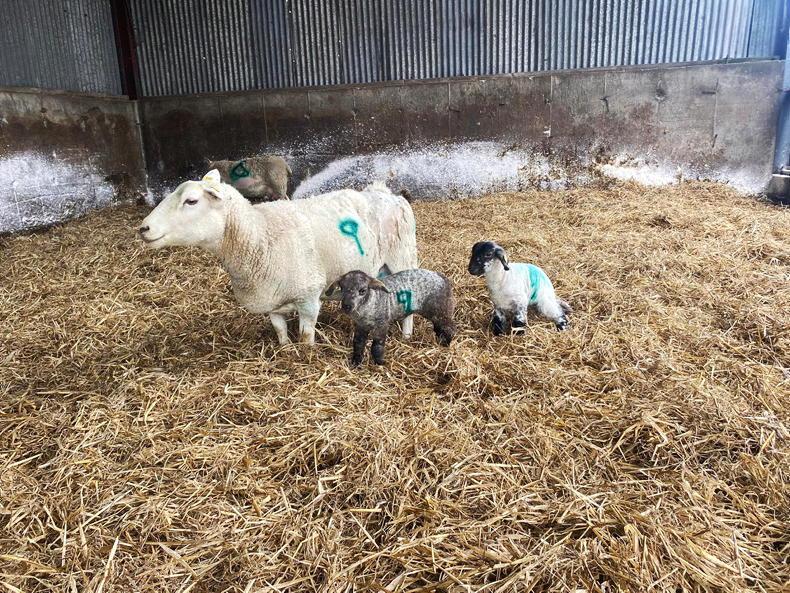
Ensure that there is a means of handling multiple lambs from ewes giving birth to triplets or quads. A common trend I’ve seen in farmers who practice outdoor lambing with only a restricted indoor facility, is to lamb twin-bearing ewes outdoors and lamb single- and triplet-bearing ewes indoors. This allows for cross-fostering triplet-born lambs onto single-bearing mothers.
Lambing outdoors reduces labour and disease build up, but comes with its own challenges. Poor weather conditions can lead to loss of lambs through chill, while foxes and mink can also take lambs from unsuspecting mothers.
Having indoor lambing pens (one pen per 10 ewes lambing) and allowing lambs to remain indoors for the first 48 hours post-birth, will help ensure sufficient colostrum is received and lambs get the best start in life.
Lambing pens should be 1.5m x 1.5m or 1.2m x 1.8m in size to prevent a ewe lying on her lamb. Having a simple water system in place, such as one with a sewer pipe connected to a ball cock, reduces the labour of lambing pens.
2. Handling facilities
Poor-quality handling facilities often lead to routine tasks being put on the long finger, exacerbating issues already there, primarily foot bathing. Increased lameness causes lack of thrive and increased labour, and antibiotic usage.
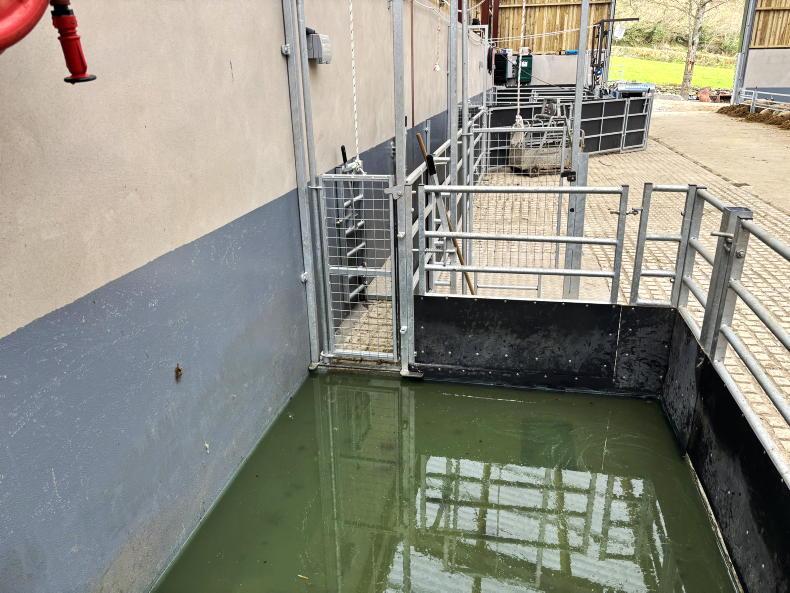
Having correct handling facilities, which includes a batch foot bath, will reduce the prevalence of scald, thereby reducing the incidence of foot rot and CODD (contagious ovine digital dermatitis). The same can be said with regard flystrike, with a lack of handling facilities often leading to a delay in application of suitable products.
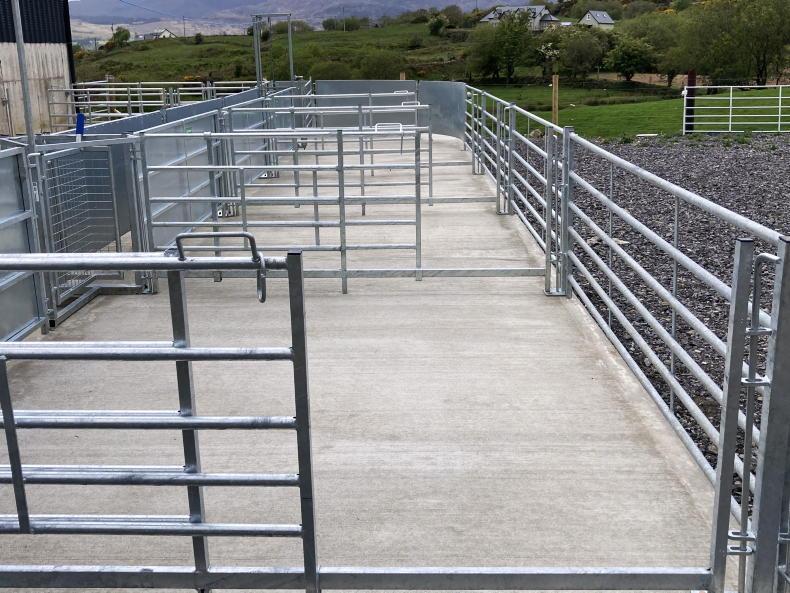
A handling unit doesn’t need to be overly elaborate, but should have a race system to allow dosing and handling of sheep without having to catch them individually. Permanent facilities reduce the labour associated with setting up and moving units, though mobile units work well where farm fragmentation is an issue.
3. Flock health plan
having a flock health plan in place can reduce the number of times animals are handled, with several treatments given at the same time, eg foot bathing and worm drenching.
Consult your vet as regards completing a health plan, identifying the key issues that the farm faces and look to minimise these further where possible through various means, eg dung sampling as opposed to routine worming, mixed grazing of livestock to reduce worm burdens.
Vaccination will go some way towards improving flock health and reducing mortality, but as with many vaccines, they are not a silver bullet for poor management.
Vaccinating against foot rot has become popular amongst farmers with foot rot issues, though correct protocol regarding foot bathing to reduce scald, separation and appropriate antibiotic treatment of affected sheep, and culling of persistently affected sheep will see a major reduction in lameness issues.
4. Fencing
One thing sheep love to do is escape. Good fencing is essential on all sheep farms and poor fencing can create a lot of hardship and additional work. Good fences will allow the farmer to improve flock management, improve grass quality and utilisation and in turn increase flock performance.
Boundary fences should be completely stock proof, using sheep mesh and sheep gates, with any gaps or breaks in wires fixed prior to sheep utilising the field. Using a top line of electric wire around the boundary allows for sub division of larger fields using temporary posts and reels, allowing for better grass utilisation.
Due to the costs of sheep fencing, when moving to a new block either through purchase or long-term lease, a good means of starting out is to use four lines of electrified high tensile wire with posts 8m apart.
In future, an additional post can be placed in between to leave spacings at 4m and the bottom three lines of wire can be replaced with sheep mesh.
5. Sheepdog
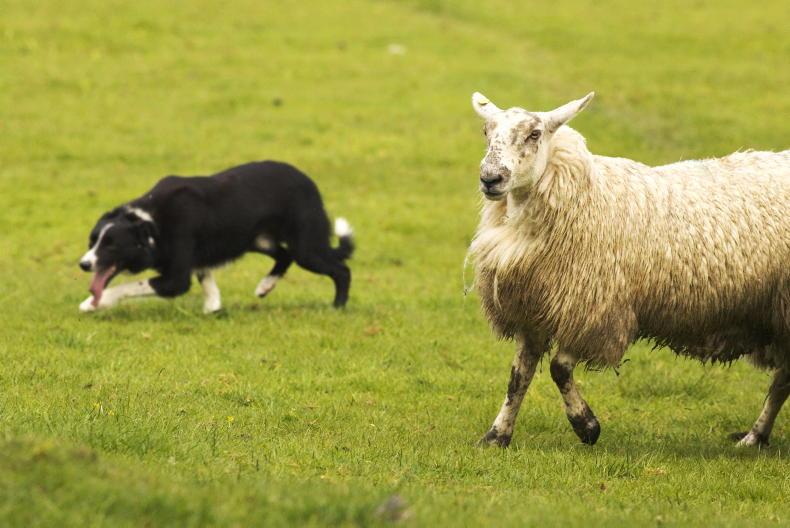
A good sheepdog can be vital, especially where handling facilities are poor. Where facilities are good, the sheepdog’s workload is greatly reduced. With average flock size of circa 100 ewes, many farms do not require a dog seven days a week. Young dogs need frequent work to keep them mentally content.
An older dog, as opposed to a younger dog or pup, will often be a better option for farmers who only require a dog every so often. Even with this, a small amount of additional work should be created to keep the dog in tune, eg gathering lambs to a trough for feeding.