



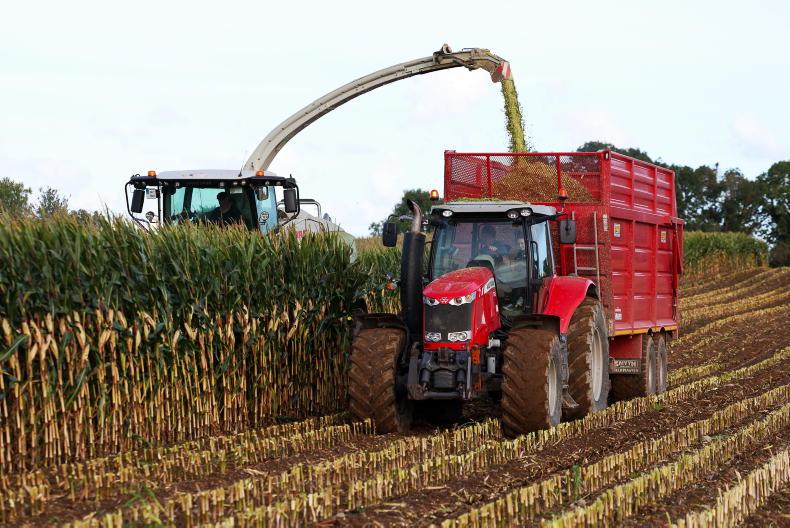
Weather: It looks like we are in for a brighter few days and next week isn’t too bad either to get winter crops into the ground. There are still bits of spring crops to be harvested in places too so the opportunity will need to be taken to get them cut. Potatoes are being dug, while beet is starting to be pulled in places, while others have been spraying beet crops in recent days to keep crops growing.
Winter cereal planting is the main task at hand and winter barley is the priority at present, though some will opt to plant wheat first, but this is not helpful for septoria, take-all or virus. The majority of winter barley varieties have barley yellow dwarf virus tolerance and so this should be used to reduce risk. Keep an eye on slugs in rye. They can take a crop out in no time so monitor crops and get rye crops in the ground if they are not already planted.
Soil temperatures are around 14°C or either side of it and so crops have a great opportunity to get up in good conditions. They may also emerge quickly so aim to get a pre-emergence herbicide on after sowing. Avoid spraying as the crop emerges. In a bad grass weed situation, if you can’t spray you shouldn’t sow.
Mateno Duo is the only new herbicide on the market and offers good control of annual meadow grass, many broad-leaved weeds and can improve the control of other grass weeds. It should be mixed with a partner on winter barley, but may work on its own in winter wheat, but should be partnered in a high grass weed situation.
If blackgrass is an issue consider applying Avadex Factor as well as your main herbicide. Delayed sowing is essential where grass weeds are a problem, into mid-October if possible. Ploughing is also important and may be needed rotationally in reduced tillage scenarios. A herbicide can only do so much. If a field is bad enough leave it until spring time to plant and create stale seedbeds where possible.
Catch crops: You can now cultivate or spray catch crops that were planted under the Farming for Water Programme ahead of a winter crop. They had to stay in place until 1 October.
Slurry: If you have slurry to spread the deadline has been extended from 1 October to 8 October. However, if you are availing of the extension to the deadline you must register it with the Department of Agriculture, Food and the Marine. You can register by emailing nitrates@agriculture.gov.ie or by phoning 0539163425 and you need to include your herd number when registering. If you are spreading slurry on a tillage farm you need to incorporate that slurry into the soil within 24 hours of application.
Apply in appropriate conditions and avoid applying before heavy rain. If importing the slurry make sure the paper work is done by both parties and do not accept slurry on paper if it is not being applied to your fields. The Department now informs the County Council where exports have taken place and they can inspect fields to check that slurry has been spread.




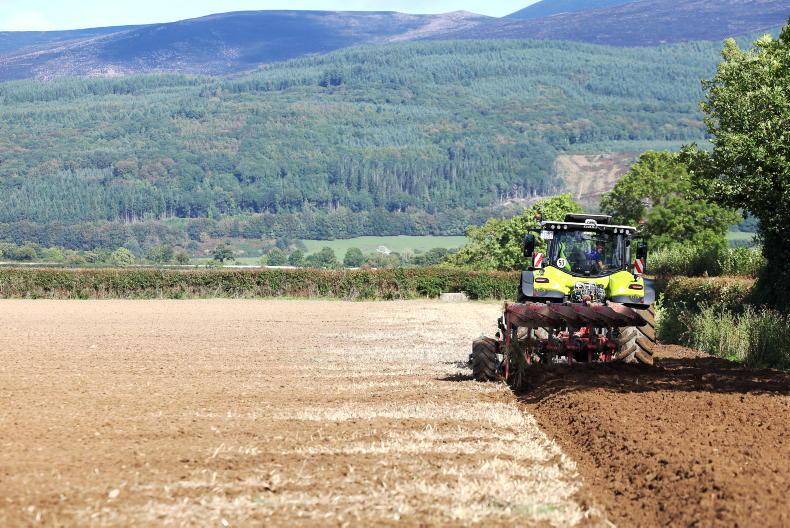


SHARING OPTIONS