



Horace Plunkett (1854-1932) founded the co-operative movement in Ireland in the 1880s, setting up the first dairy c0-0p in Dromcollogher in June 1889.
His vision was to harness the power of the collective and see Irish farmers pooling together to market their product in a more co-ordinated way, adding power and ultimately putting money in farmers’ pockets.
This wasn’t an easy road and he met many challenges, including private industry putting a lot of obstacles in his way. He persevered and Irish dairy farmers owe Horace Plunkett and the rest of the pioneers of the co-operative movement a great deal for our industry and the way it operates today.
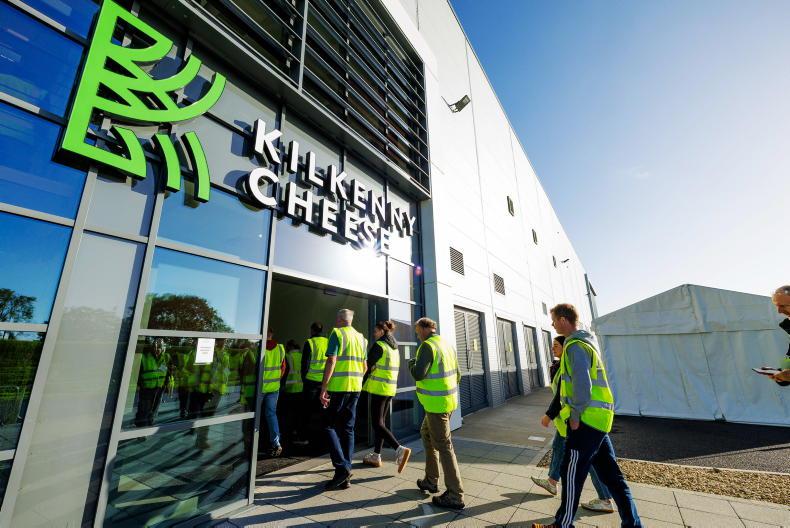
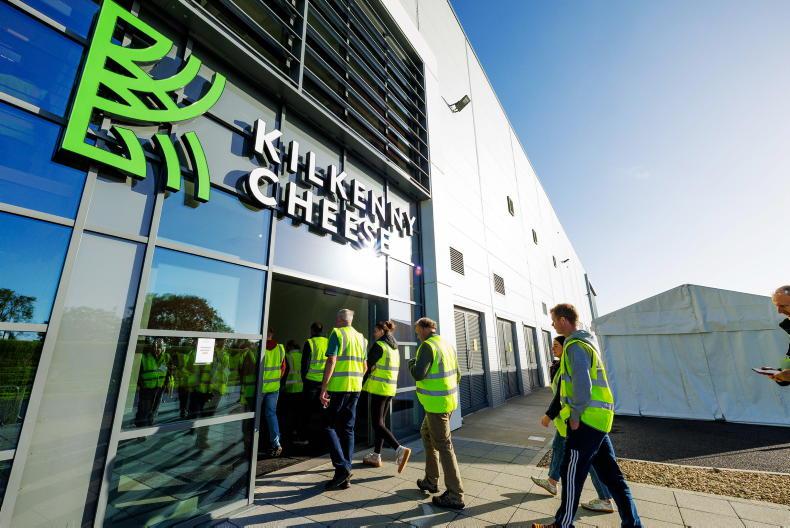
Walking around the corridors of Tirlán’s €220 million cheese factory on Tuesday, I couldn’t help but wonder what he would have thought of it all and how far the Irish dairy industry has come in a relatively short timeframe.
The fact that the co-operative movement has stood the test of time in the dairy industry is testament to the leaders and farmers that went before us. The same cannot be said for the co-operative ventures in the beef industry, and beef farmers often look on with envy at their farmer-owned counterparts on the dairy side of the house.
Over 1,800 farmers attended the two open days at the Tirlán Belview site on Tuesday and Wednesday this week.
Despite the issues being faced by dairy farmers on increased input costs and the volatility seen in milk markets over the last 12 months, the mood was generally positive.
Tirlán CEO Seán Molloy was also optimistic on the outlook for milk markets in the short to medium term, with the last few months’ stability in markets helping to restore confidence in the sector.
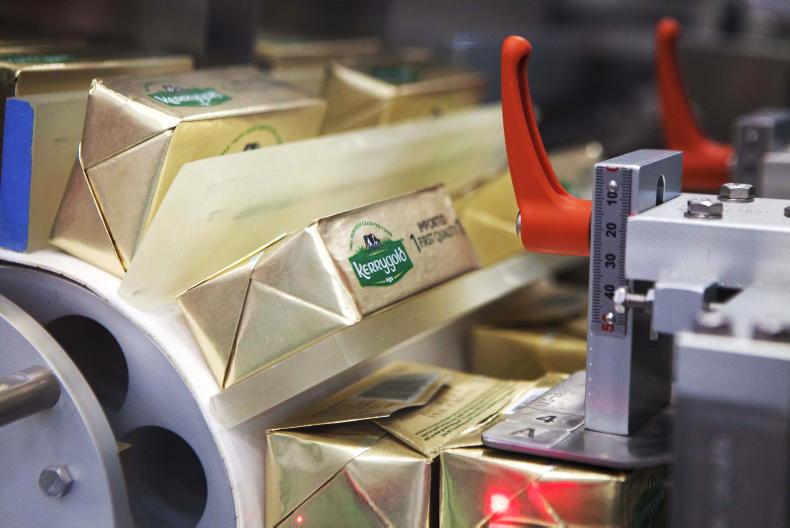
Tirlán has been criticised on these pages and further afield in recent months for its expansion in the US market with grass-fed butter and the problems that may create for Ornua and other Irish co-operatives.
It has divided opinion in the Irish dairy industry. Speaking to some Tirlán suppliers at the open day on Tuesday this week, they said if Tirlán didn’t seize the opportunity, the chances are another co-op in another country would have, and that would be Ireland’s loss of an important customer for our product.
Tirlán maintains it is the correct decision for their company and their farmer shareholders, and they also argue that there is enough space in the market for both to operate. What that means for Ornua and others has yet to be seen.
One thing is certain; in-fighting and arguing on direction isn’t good for the industry, and we need to move on and work together for the benefit of Irish dairy farmers.
How we do this will be one of the topics, amongst many others discussed at the Irish Farmers Journal’s Dairy Day in University of Limerick on Saturday 14 November.
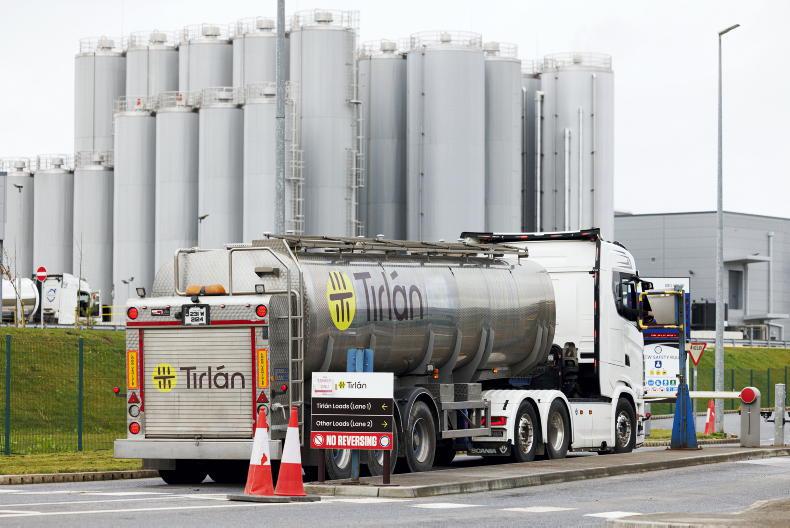
Like its farmer shareholders on their dairy farms, Tirlán has invested heavily in its infrastructure in the last decade, with over €400 million invested in the Belview site alone.
The co-op now processes over 3.2 billion litres of milk annually, a remarkable achievement for a farmer-owned co-op and completed with a low level of added debt.
One point of concern among those attending was the vacuum of information on the current state of play with Ireland’s nitrates derogation.
There is too much at stake for a ‘rabbit out of a hat’ moment at the end of the current derogation, and we can’t expect farmers to have the confidence to invest on their farms with so much uncertainty around the derogation and its future.
Tirlán is also reaching maximum capacity at peak production again and with that in mind, is evaluating investment options for the future. These are long-terms plays, with any decisions to go ahead likely to take three to four years to commissioning a new build when planning permission is taken into account.
With just 26 months left on the current nitrates derogation, farmers and the industry need to know now to plan for the future.


SHARING OPTIONS