



September inflation estimates for Ireland, published by the Central Statistics Office, and for the euro area – published by Eurostat this week – both show the same thing.
Inflation is far above the European Central Bank’s target level and is almost entirely driven by energy costs.
The annual increase in prices in Ireland stood at 3.9% in September, with energy inflation by far the fastest rising component at 15.3%. Unprocessed food saw prices only 1% higher than a year ago.
In Europe, energy inflation was even faster at 18.8%, while unprocessed food inflation was much greater than Ireland at 4%.
The overall level, at 3.8% was broadly in line with what is being experienced in Ireland (see Figure 1).
It is almost certain now that the ECB (European Central Bank) will raise interest rates again at its meeting at the end of October. The longer-term path for interest rates will be decided by how inflation develops over the coming months.
Without a resolution of the conflict in the Middle East, it is likely that energy will continue to drive inflation higher.
However, economists are becoming increasingly concerned about the outlook for food prices. Philip Lane, chief economist at the ECB, flagged his concerns about food costs in August. This week the Economic and Social Research Institute flagged the risks in its quarterly economic commentary.
Weather effects
The ESRI notes that food inflation remains low in Ireland, but that there are two factors in place which mean food prices are going to be higher in future – energy costs and weather effects.
The price of fuel feeds through to food prices with a lag of several months, so the current high fuel costs will be seen in food prices towards the end of this year and into 2027.
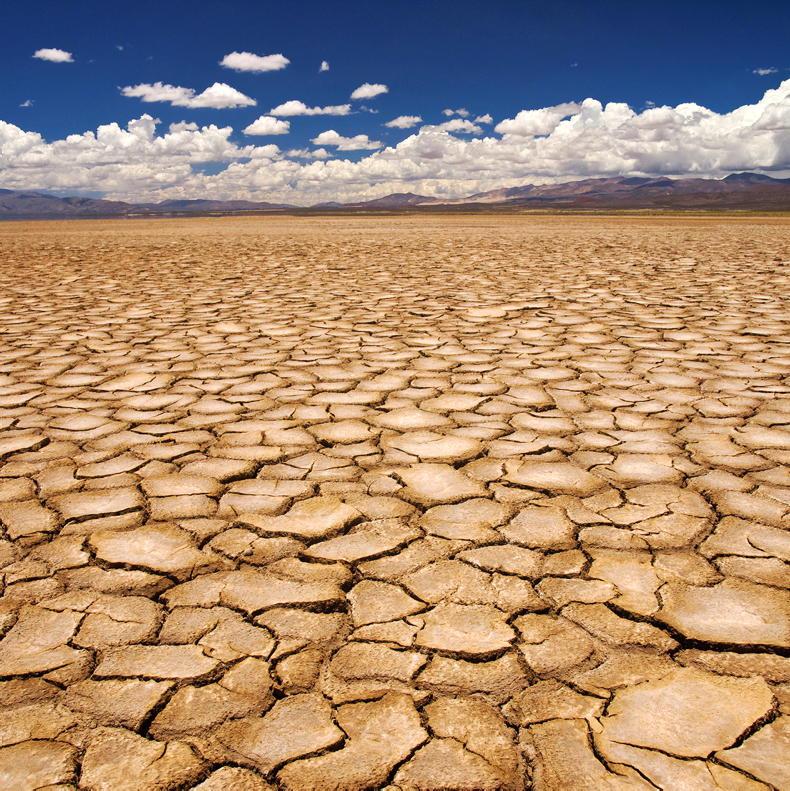
The severe drought experienced in much of Europe over the summer, coupled with the strong or very strong El Niño event expected over the coming months, means that Europe is possibly only in the middle of a series of weather events which will feed into food prices
The effects from weather on food prices are even more long-lived.
The ESRI cites research from the Bank of England which shows that the impact from severe weather on food prices is meaningful, but comes with a lag of 12 months.
That means, a drought in the summer of 2026 will be seen in food prices in mid-2027.
Analysis from the French central bank which focused on floods, droughts and storms, as well as high temperature events, suggests that most effects materialise within one to two years of the weather event.
The severe drought experienced in much of Europe over the summer, coupled with the strong or very strong El Niño event expected over the coming months, means that Europe is possibly only in the middle of a series of weather events which will feed into food prices.
With fuel costs driving food prices in the short to medium term, and weather events likely to hit prices over the medium to longer term, it is almost certain that food inflation will remain a significant factor long after energy inflation has passed.
Wet winter
For Irish farmers, the outlook depends very much on how the weather develops here over the next 12 months. If food prices generally are higher, that by itself is probably good news, but it will only be an advantage to farmers, if they are able to take advantage of it.
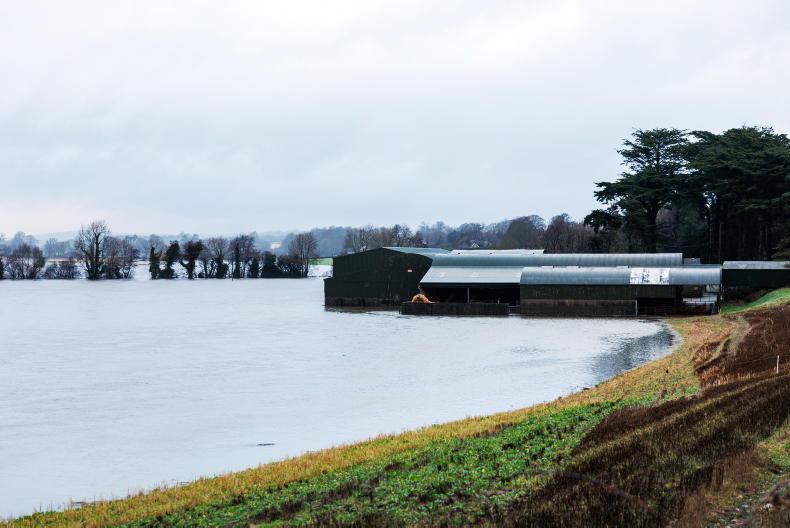
If the country faces a long, wet winter, then the higher food prices may only be enough to cover the increased costs of production from longer animal housing and increased feed costs.



SHARING OPTIONS