
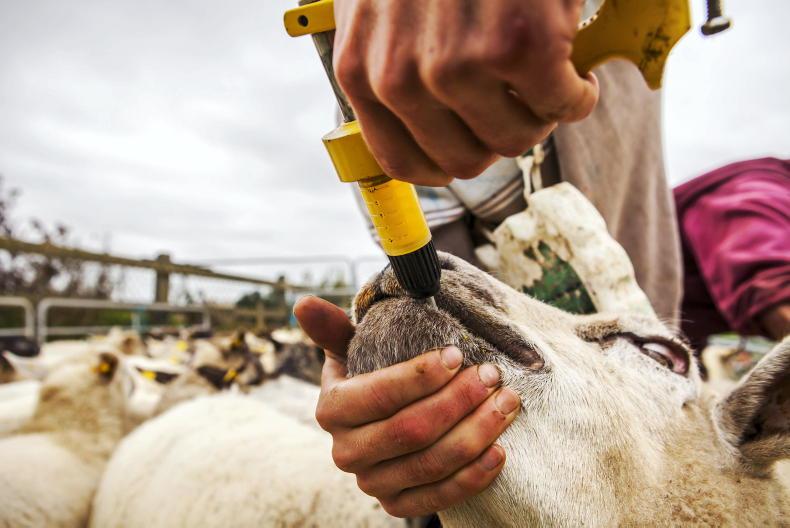
Liver fluke has been on Irish farms as long as cattle and farmers are very familiar with treating it. Typically, what happens on most farms is treatment takes place around Christmas as generally there is more help on farms at this time of year.
This management can work depending on what product is being used. However, it all depends on the stages of fluke present in cattle and if the correct active ingredient has been administered.
Erring on the more cautious side, administration is dependent on the farm’s previous history, while also taking into account what grazing conditions were like in the months before housing. Housing date will dictate when animals stop consuming fluke parasites.
Diagnosing liver fluke
Fluke loves mild, wet weather, making most of Ireland and Northern Ireland susceptible to the parasite; however, it’s particularly common on most farms in the west and northwest. Detection of fluke can be identified with faecal samples, along with visual identification of classical symptoms of disease, post mortem analysis of fallen animals and slaughter reports on the presence of active fluke infestation. Liver fluke infestation can result in poor animal performance and death with sheep at a greater risk than cattle.
Visual signs of fluke:
Some of the associated problems fluke causes are:
Dosing protocol
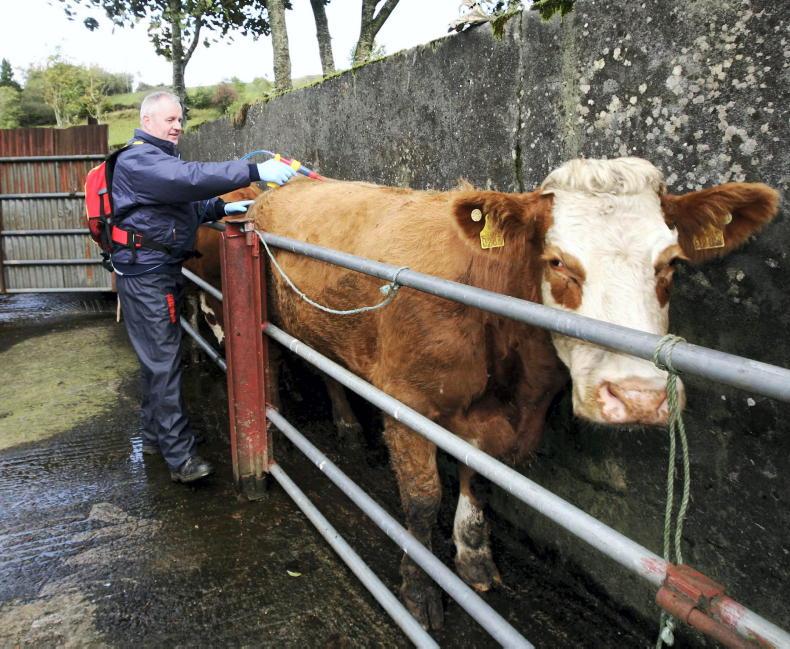
If a fluke drench is required, farmers first need to identify what is the correct dose for administration. As touched on already, housing date and farm history will determine this. As outlined in table 1, each active ingredient is effective against a different stage of liver fluke.
Treatment of animals when housed, done correctly, offers the perfect opportunity to essentially reset the fluke burden present in animals. Dosing protocol will vary farm to farm.
Where high fluke levels are present, animals may require a number of doses over the winter. High levels of fluke present will affect the animal’s ability to thrive over the winter months and will add to farmers’ cost of production. In some cases, farmers may need to dose cattle not long after housing and follow up later in the winter with a faecal sample to see if re-treatment is required. Where the fluke risk is low, farmers may delay dosing for six to 10 weeks depending on the active ingredient they intend to use. Dairy farmers need to be mindful of treatment in the dry period with some products carrying a long withdrawal period.
Triclabendazole is the sole active ingredient that treats for all stages of liver fluke. However some levels of resistance have been reported and farmers should be cautious and consult their vet.
Sheep farmers are generally better informed on dosing; treatment of fluke is more difficult with sheep as they typically graze over the winter months. It is advised to change the active ingredient regularly to help prevent resistance developing. Fluke can affect sheep worse than cattle and acute fluke will result in more severe cases, in extreme cases it causes anaemia and death in sheep.
Every farm will have a different risk to fluke and it is advised to seek veterinarian advice as all parasite products now require a prescription to purchase.
Rumen fluke
While rumen fluke traditionally was not an issue on the majority of farms, in the last couple of years it has become more common. It tends to be a bigger issue on farms where cattle are grazing on land that floods or has water lying. It is thought that up to 50% of herds have some small level of rumen fluke and this can be fine; however, it’s the small number of farms that get a severe outbreak that will know of its effects.
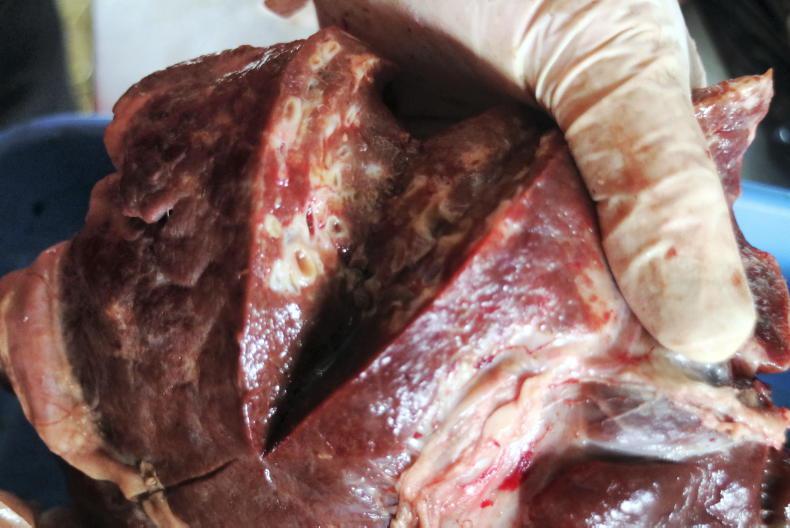
When carrying out faecal samples and low levels of adult rumen fluke appear, treatment is not always required; treatment is required when high numbers of immature fluke are present in the small intestine. Immature fluke are harder to identify with no testing readily available, it requires watching for some of the clinical signs outlined below.
Clinical signs to watch for are:
The issue with treatment for rumen fluke is we have only one effective active ingredient that treats for it, Oxyclozanide. Farmers need to be mindful of blanket treatment in herds that do not have issues, as this can develop resistant rumen fluke strains. Veterinary consultation is advised as a tailored farm health plan is needed.