



While farmers are delighted to see the first drop of rain in weeks – there could be danger on the horizon – lungworm (Hoose) infestation.
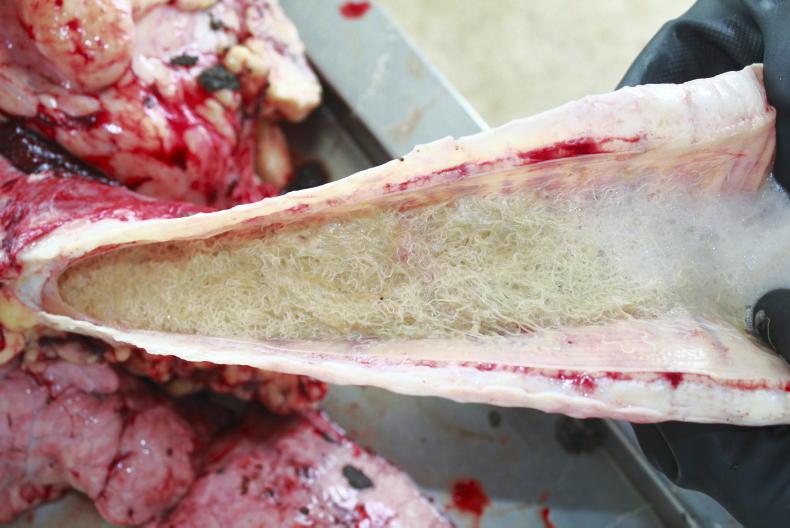
Lungworm is a roundworm that completes its life cycle in the airways of cattle. It can cause severe performance loss and even a swift quick death in cattle.
First season grazers are at the highest risk of impact, especially if the weather turns out warm, wet and humid – the holy trinity of the lungworm life cycle.
Older animals commonly have built up a strong immunity through regular low-grade exposure over the years, but this is not to say that they are not at risk.
In the extended dry period, the majority of infective larvae have died on the ground. However, any lungworm eggs in dung pats can survive for longer periods.
This means sudden rainfall spreads these eggs – allowing for larvae to quickly hatch.
We could see lungworm infections within the next two/three weeks.
Frustratingly, the routine use of faecal egg counts (FEC) we often associate with diagnosing worm infestations is of limited value here as much of the lung damage has been done before this parasite is mature enough to produce eggs.
As the name suggests, these FECs are used to find eggs.
Therefore, this disease can be difficult to diagnose early and tricky to predict so all farms must keep their eyes on the ball with this one. Symptoms to be on high alert for are listed below.
Intermittent coughing
A key indicator and frequently the first clinical sign of lungworm noticed. This may start with only one or two animals but can spread quickly throughout all stock in the same cohort in a high-risk pasture.
If animals at rest are coughing, you should investigate further. Listening is crucial: so have you heard your herd?
Rapid breathing (tachypnoea)
Affected stock frequently have an elevated respiratory rate (‘blowing’). Youngstock usually breath 24-36 times per minute, whereas older stock have a normal respiratory rate of 20-30.
Difficulty dreathing (dyspnoea)
When significant damage has been done to the lung fields, animals will exhibit signs of laboured breathing and ‘air hunger’ such as an outstretched head and neck, open mouth and protruding tongue.
Nasal discharge
Affected cattle may have a dirty nose with lungworm infestation itself, but the material often becomes white and purulent when the many other respiratory pathogens gain a foothold (eg, bacteria and viruses).
High temperatures
Animals severely affected by any respiratory pathogen often have an elevated temperature and lungworm is no different. Rectal temperatures above 39.2°C for adult stock or 39.5°C for youngstock may indicate a problem.
Milk drop
Adult dairy cows with a waned immunity may experience an unexplained but severe drop in milk yield, even before coughing is heard.
Progressive condition loss
If your stock is not maintaining condition and the stars have aligned for lungworm (warm, wet and humid conditions combined with naive or undosed animals grazing high-risk pastures) it’s worth seeking veterinary advice to rule this disease in or out.
Death
If lungworm is not shackled by herd and grassland management practices, then affected animals may die.
The three major classes of anthelmintics contain licensed products which are effective against lungworm.
Discuss with your veterinary practitioner which treatment is most suited to your farm and animals.
Use caution with long-acting anthelmintics in the first grazing season, as they may limit lungworm exposure and prevent natural immunity.
Treatment of the whole group should be undertaken as soon as possible after the appearance of clinical signs to limit the impact of the infection. If treatment is delayed, lung damage may become advanced and irreversible.
After treatment, you need to keep a close eye for a minimum of 48 hours as even though all lungworm might be removed by treatment, these animals may still die due to the severity of the lung damage.
At this time of year regularly monitoring your herd for coughing animals is important on all farms, even with good grazing management.



SHARING OPTIONS