



The Irish Farmers Journal is partaking in 15 mart events across the country with Teagasc, Progressive Genetics, Munster Bovine and Dovea Genetics.
Topics may vary slightly across regions but are focused on winter nutrition for both suckler cows and weanlings, animal health, updates on CAP, market outlooks and a showcase of cattle from various AI sires with different breeding objectives explained.
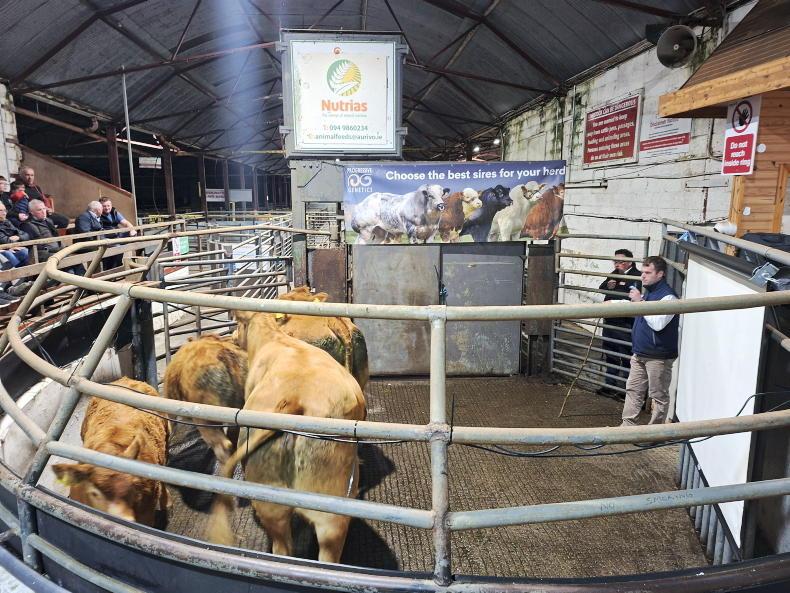
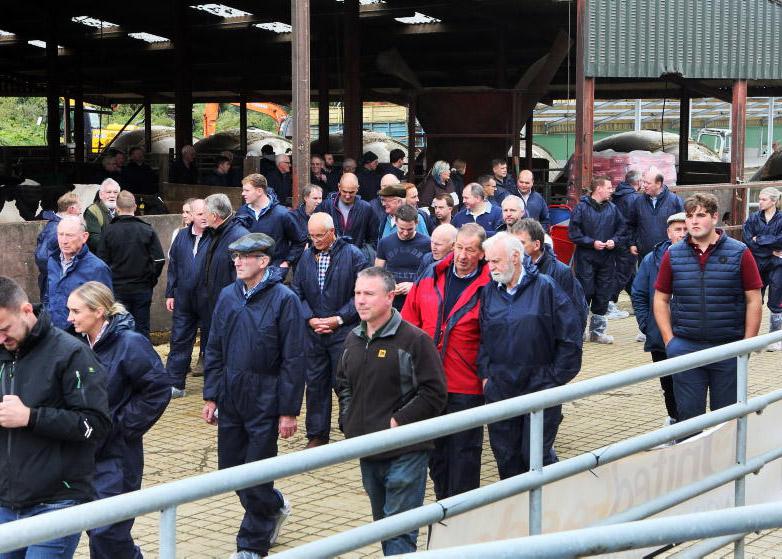
Mohill Mart played host to a recent talk with a number of speakers on the night, including Dr Jonathan Higgins (Aurivo), Shane McGettrick (Sligo Regional Veterinary Lab), Tomas Bourke (IFA), Martin Ryan (NCBC) and Adam Woods (Irish Farmers Journal).
The night opened with Jonathan Higgins, nutritionist with Aurivo, taking farmers through the feeding objectives over the winter. Feeding weanlings pre- and post-weaning was one of the key messages to reduce stress and prevent loss of weight gain.
Feeding weanlings with a high-energy concentrate one month prior to weaning and for a further two weeks post weaning at the feeding rate of 1.5kg to 2kg was recommended.
Jonathan favoured feeding a concentrate with toasted cereals as opposed to a nut due to the concentrate being more palatable and easier to encourage weanlings to begin eating.
He advised testing silage to determine its quality and allow quality silage to be fed to the groups that require it most, weather it’s feeding to youngstock or to prioritise autumn-calving cows with high-DMD silage. This will help reduce the amount of concentrates fed and minimise the wintering costs.
Bluetongue concerns
Shane McGettrick took farmers through a very informative talk on animal health, giving a comprehensive update on bluetongue virus. While Shane said that the lab in Sligo had received no positive cases of bluetongue yet, he is very concerned that it will travel up from the southeast in time.
“The cases are small yet but they are starting to rise over the last few days. It’s not a disease we’re going to be able to eradicate – we’re going to have to live with it because in order to eradicate it we would need to get rid of all the midges who spread the disease,” said Shane. 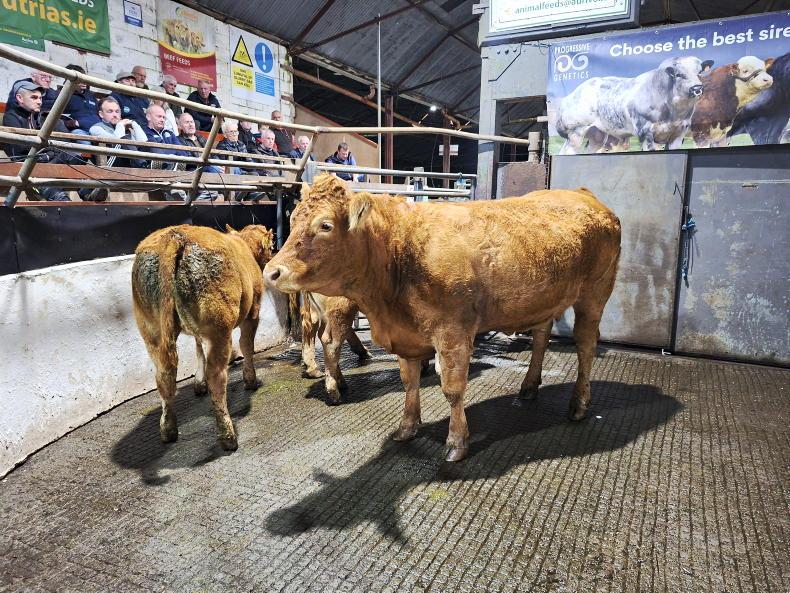
“Vaccination is our only tool to prevent against it, and I would encourage all farmers to vaccinate. Sheep seem to be more susceptible to the disease compared to cattle; however, that does not mean cattle don’t get infected and there aren’t problems,” said Shane.
“When you vaccinate, you’re not just protecting your own animals; you’re protecting your neighbours’ and the country’s animals. The last couple of weeks there were warm evenings and midge activity; that builds into the risk of the disease spread and I’d encourage farmers to remain vigilant.”
“The virus causes animals to run a high temperature and this leads to infertility. It can infect the animal’s foetus, which could potentially lead to birth defects in the newborn animals. There is a small worry that there are cows carrying calves that could have been infected by the virus, and we won’t know the outcome until they begin to calve next spring.
“The disease just doesn’t affect cows; bulls that become infected can become infertile due to the high temperature, which can affect herds’ calving patterns and lead to empty cows.”
Aside from bluetongue, Shane highlighted that abortions are the big concern on suckler farms and farmers need to pay more attention to them.
“We never know what’s the first case of a problem on farm. I think any abortion should be diagnosed to rule out a potential disease problem. We have the ability to diagnose lots of problems, and sometimes when farmers get a negative result, they think it’s bad. That’s what we want; we can be sure there is no disease issue then.
“When sending the calf for a postmortem, also send off the placenta (afterbirth). Sometimes we can learn a lot more from the placenta than the calf when it comes to diagnosing a disease,” said Shane.
Breeding advice
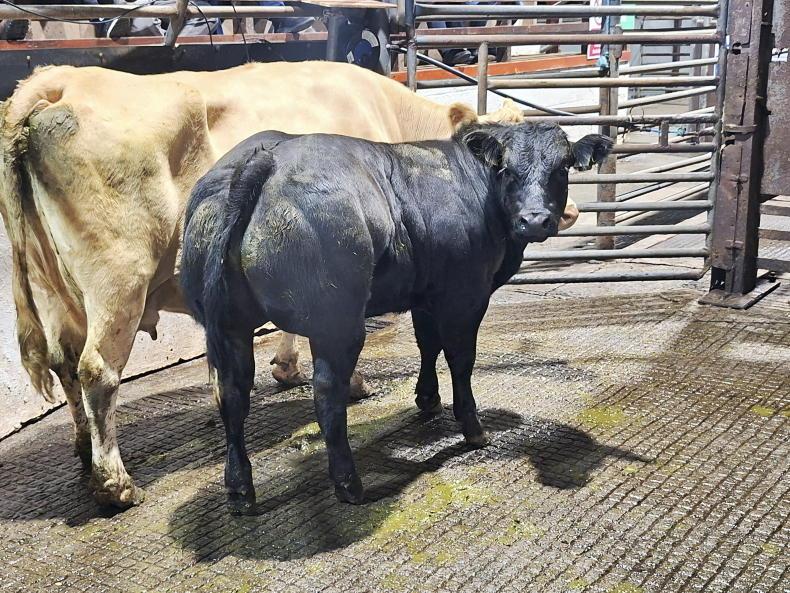
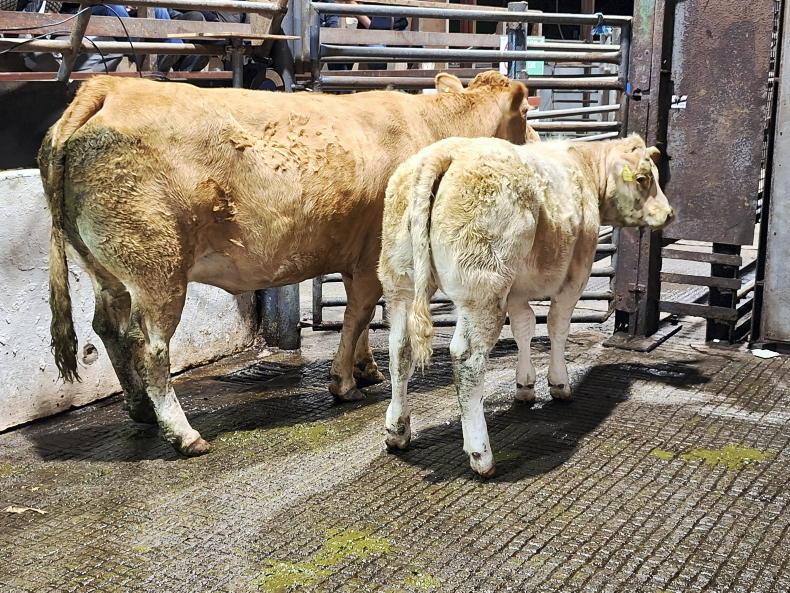
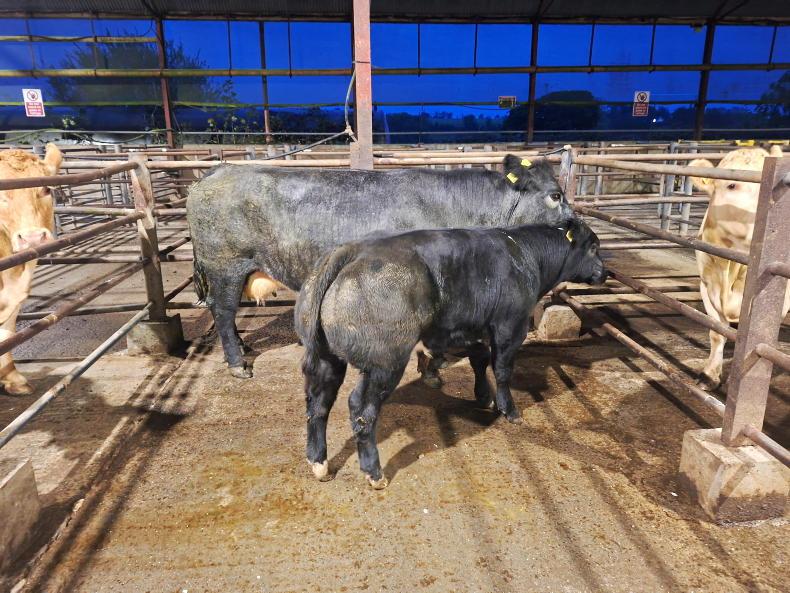
Martin (Murt) Ryan from NCBC hosted a live display of cow and calf outfits, with a focus on breeding quality type weanlings sold in Mohill Mart.
“Farmers need to first identify an acceptable level of calving difficulty for their farm. This will vary from farm to farm but after that we can look at the positive traits to select for when breeding weanlings. Carcase weight and conformation are the most important traits,” said Martin.
“When it comes to selecting bulls for using on heifers, first look at the calving difficulty and pay close attention to the reliability figure and number of calving records this bull has. If a bull has over 1,000 calving records, he’s reliable, but if we have a test bull with maybe only 20 to 30 calvings, it’s best to stick to using them on mature cows and use a more proven bull for heifers.
“On the top of our catalogue you’ll see the myostatin status of all our bulls. This needs careful observation when making breeding decisions.
“If farmers don’t know the status of their cows, it is a big risk selecting bulls that carry genes like the NT821 or the Q204X as if they are mated with cows carrying the same genes, it can lead to harder calvings. The F94L gene, also known as the profit gene, this gene is less associated with calving difficulty.
“Where farmers are looking to breed the top-end weanling or even pushing out for the show type weanling, then selecting bulls carrying genes such as NT821 and Q204X will allow for added muscle growth, but it comes at an added calving risk and farmers need to understand that.
“When selecting bulls carrying these genes, you need to know the myostatin status of the cows being mated to.
“When breeding for the weanling market that most farmers in this area tend to lean towards, farmers need to select for carcase weight to get the weight into weanlings while also selecting for carcase confirmation as this trait represents the shape a weanling will have.
“When selecting for a higher carcase weight bull, it will allow for a heavier weanling at sale time or farmers can sell at the same weight but a couple weeks earlier.”
Limousin, Charolais and Belgian Blue-cross weanlings represent the majority of weanlings sold in Mohill Mart, with Charolais and Limousin the most common.



SHARING OPTIONS