



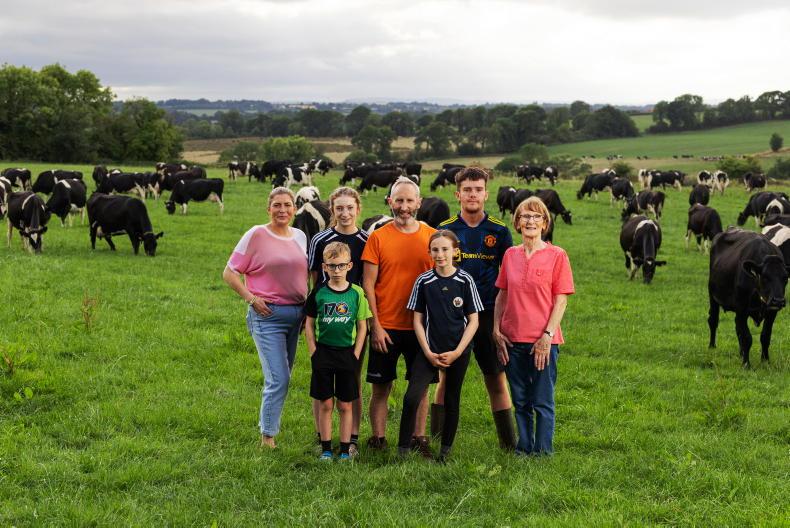
Kilbrin is not so much a village as a parish, a church, a GAA pitch and farms scattered across the rolling dairy country of Duhallow. Turn off the Kanturk road and follow one of the narrow cul-de-sacs to the end, and you arrive at Pat and Audrey Dennehy’s home at Coolmahane.
Around the yard, 172 cows go quietly about their business, and Pat Dennehy does much the same. There is an easy, unhurried manner about Pat that quickly puts a visitor at ease. But spend a little time walking the farm with him and it becomes clear that the relaxed atmosphere has been earned.
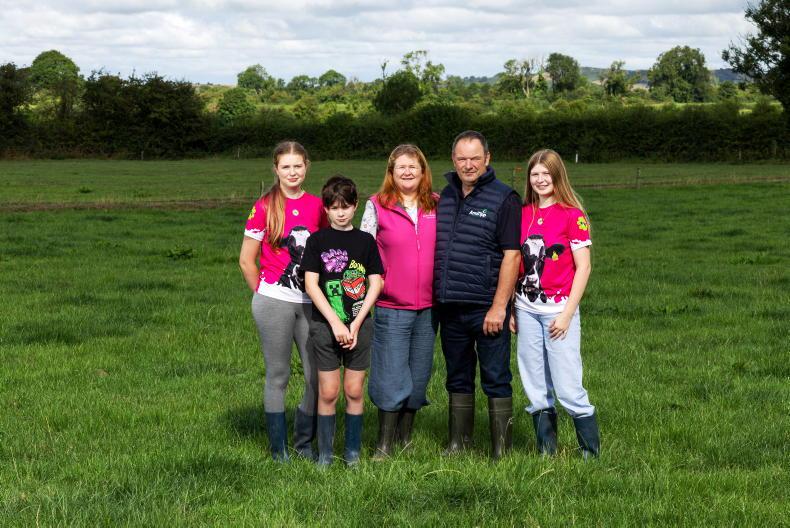
Pat’s father and his uncle Michael farmed side by side for some 30 years, sharing a 10-unit milking parlour. Pat came home from agricultural college and joined them, and when Michael retired following a back injury in 2002, the family rented his land. Pat now farms here with his wife Audrey and three children, Marie, Lily and Micheál.
Milk quality starts with the cows. Milk-recording is carried out seven times a year, and Pat has gradually embraced selective dry-cow therapy. He started cautiously, gained confidence from the milk-recording data, and has increased the proportion of cows receiving teat sealant alone. In 2025, 43% of the herd was dried off without an antibiotic, with a threshold of never having an SCC greater than 100,000 cells/ml. Across 2025, monthly SCC remained remarkably consistent, while TBC was routinely in single figures or low double figures. The 172 cows milked that year delivered 78,724kg of milk solids, averaging 486kg of solids per cow. There are no magic ingredients, it is the accumulation of small jobs done consistently well.
The breeding programme is similarly uncomplicated but precise. The herd has an EBI of €171, rising to €203 among the replacements. The entire herd is genotyped, and bulls are selected for milk solids, fertility and health, while sexed semen is used selectively.
Pat has put considerable thought into what happens to water as it moves across the farm. Watercourses have been fenced, roadways cambered away from them and water bars installed to divert runoff onto fields.
Below the yard, runoff is directed through vegetated bunded drains planted with hundreds of willow trees, designed to intercept nutrients before water moves onwards.
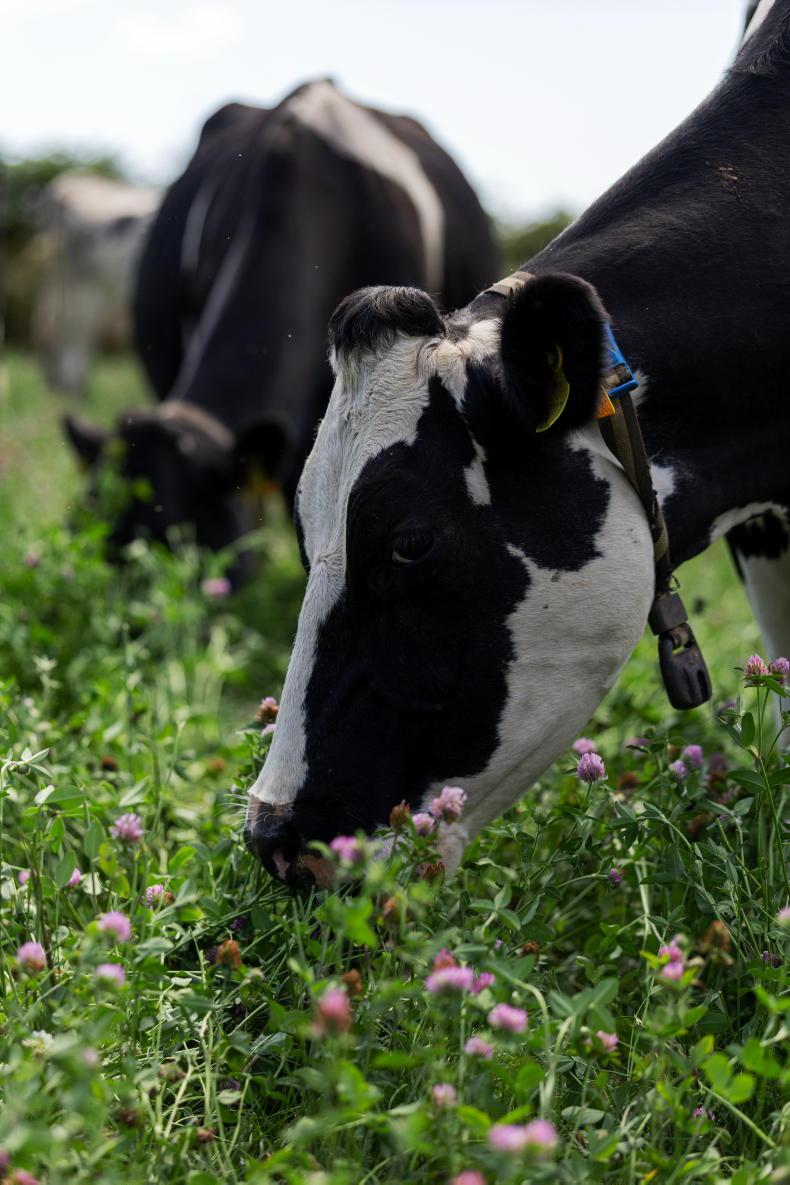
Slurry is tested so Pat knows the nutrient value of what he is spreading, LESS is used throughout, soil is tested every three years, protected urea has replaced conventional urea and clover is now incorporated into around 60% of the grazing platform. The cows were at grass for around 250 days last year; the farm is producing a substantial volume of high-quality milk, and Pat wants a system that remains manageabl,e, rather than one that consumes the family operating it.
Pat is heavily involved beyond the farm gate. He coaches under-10 hurling and football, and helps a local group maintain the church and graveyard grounds.
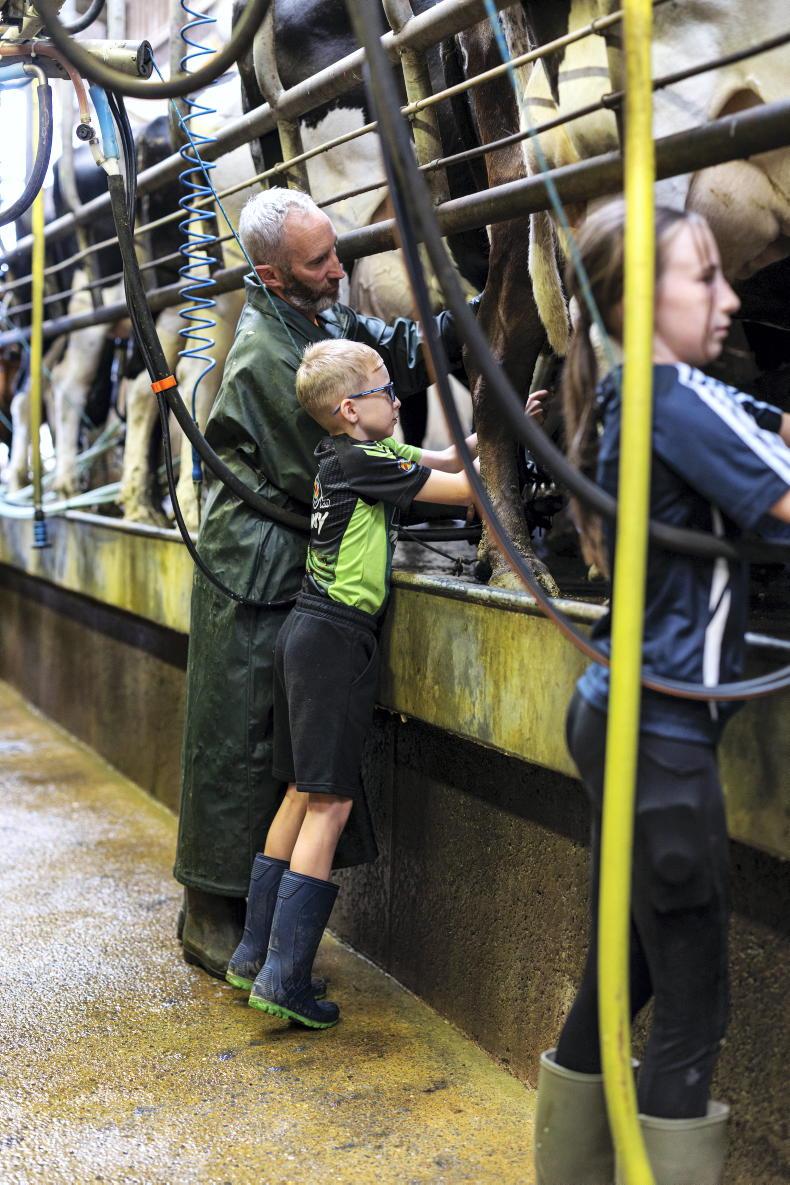
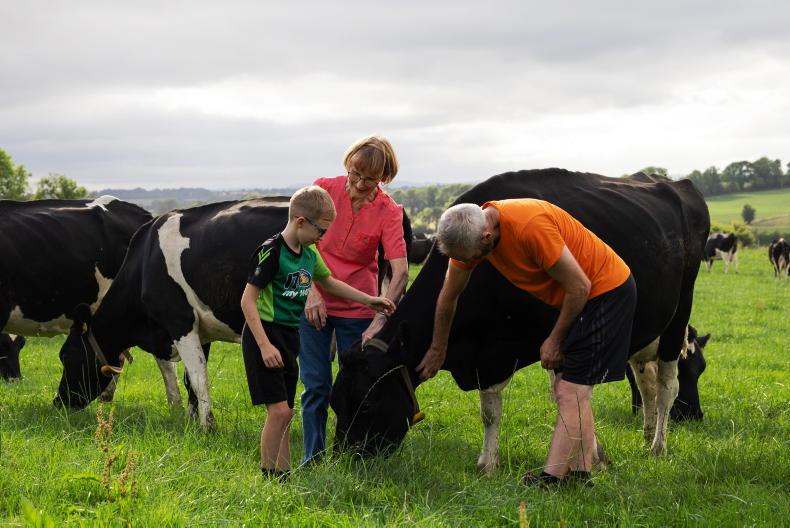
Behind the relaxed rhythm of Coolmahane is very much a family effort, with Audrey at the heart of family life, and supporting Pat and the farm in all the ways that keep a busy dairy household running. Their children are already familiar faces around the yard, with Pat’s 81-year-old mother remaining close by.
Pat believes the family farm remains one of Irish agriculture’s great strengths. His own experience explains why. His father and uncle farmed together. His own family now contributes.
He rents 50 acres from a neighbouring farmer, and around him are friends and neighbours who understand that farming occasionally produces a problem that cannot wait until morning.


SHARING OPTIONS