
The last 12 months have been challenging for everyone in the Irish dairy sector. At farm level, low milk prices, difficult weather conditions and rising input costs have eroded margins and increased the workload on farms.
At processor level, increased milk supply from Germany, France, Poland, the US and New Zealand has reduced demand and increased competition in the marketplace for dairy commodities. Dairy markets were in freefall 12 months ago, eventually levelling out and improving gradually as the year went on.
Then there were other problems of the sector’s own making. North Cork Creameries fell foul of the Environmental Protection Agency (EPA) licence agreement on more than one occasion resulting in the plant being shut down for long periods.
While the butter churn in Kanturk may have stopped, churn continued in the leadership and governance team and there is still huge uncertainty over the future of the co-op.
Meanwhile, there was further controversy in the summer when it emerged that Tirlán accepted a contract to supply Irish, grass-fed butter to major US chain Costco’s own brand range. As this puts the Tirlán butter in direct competition with Ornua’s Kerrygold, the move caused significant controversy, which is ongoing.
Questions have been asked about the future direction of the dairy sector in Ireland, with 2026 being seen by many as a stake in the ground moment.
In the 10 years prior to 2022, the sector was in growth phase. Since 2022 there has been a sense of uncertainty and perhaps a lack of leadership or clarity about what the future looks like.
Now, it looks like the cannibalisation of high-value markets is a possible threat to the future prosperity of the sector.
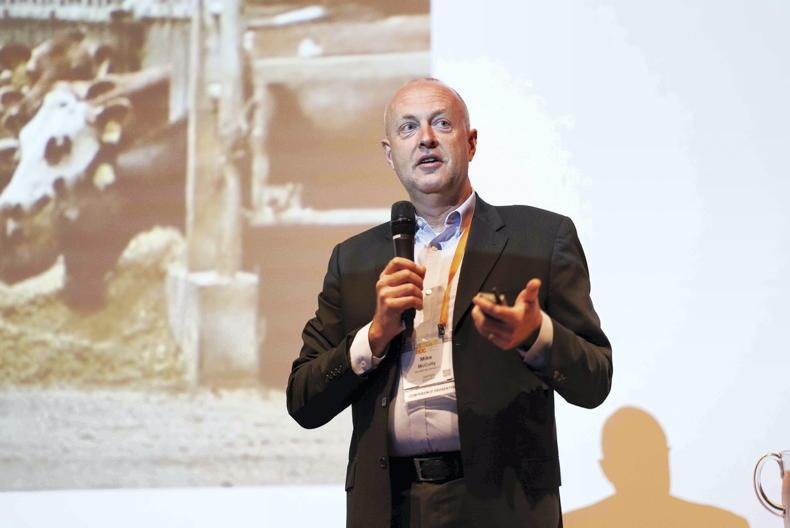
Moving beyond these issues, what can the sector do to work together to chart a course through these challenges? To start the conversation, the Irish Farmers Journal asked US consultant Mike McCully to use his experience and outside view to put together a paper outlining the present state of the sector and to complete a strengths, weaknesses, opportunities and threats (SWOT) analysis of the Irish dairy sector at processor level.
As part of this exercise, the question will be asked about what is the desired future state of the dairy industry in Ireland. This part of the session will address topics such as product mix, collaboration, ways to reduce processing costs, governance structures and consolidation opportunities within the sector.
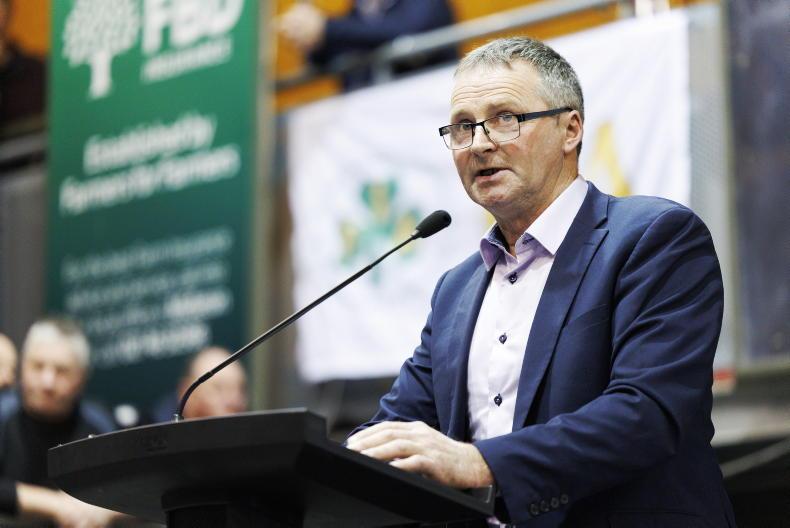
Joining Mike McCully on the panel are three people with skin in the game and a deep knowledge of the sector. Edward Carr is chair of ArraTipp Co-op and joins the panel as president of ICOS, the representative body for co-ops in Ireland.
A dairy farmer from Milestone in Co Tipperary, Edward forged the merger between Arrabawn and Tipperary Co-op in 2024.
Jason Hawkins is CEO of Carbery Group, the cheese and whey powder powerhouse based in Ballineen in west Cork.
Prior to joining Carbery, Jason was chief operating officer with Dairy Farmers of America (DFA), the biggest dairy co-op in the US and spent 20 years in various roles in Kerry Group prior to joining DFA.
The session will explore the options available to Irish co-ops to remain competitive in an increasingly competitive landscape for dairy markets. As already large co-ops across Europe scale up even further, the panel will discuss the options available to the Irish dairy sector to ensure a bright future.
This session will take place at 12.30pm at the Beyond the Parlour stage at Dairy Day and is a must-attend session for everyone interested in the future of the Irish dairy industry.