



Most dairy herds are coming up on 30 days after the end of the breeding season now, so it's important to identify empty cows that could potentially be removed from the herd at some point in the next few weeks.
With heat-detection collars on some farms, or where farmers have continued to monitor cows bulling, the empty cows will already be known, but it is worth scanning those cows as some heats at the end of the breeding season can be false.
I know some farmers are worried that there may also be extra embryo mortality arising from heat stress during the last month, so it is worth checking all cows seen in heat since the end of the breeding period.
According to Dr. Stephen Butler of Teagasc, once a cow is confirmed in-calf at scanning and 60 days post-AI, less than 2% embryo mortality is normal thereafter. To reduce the risk of embryo mortality, ensure all animals receive their salmonella booster vaccine during August.
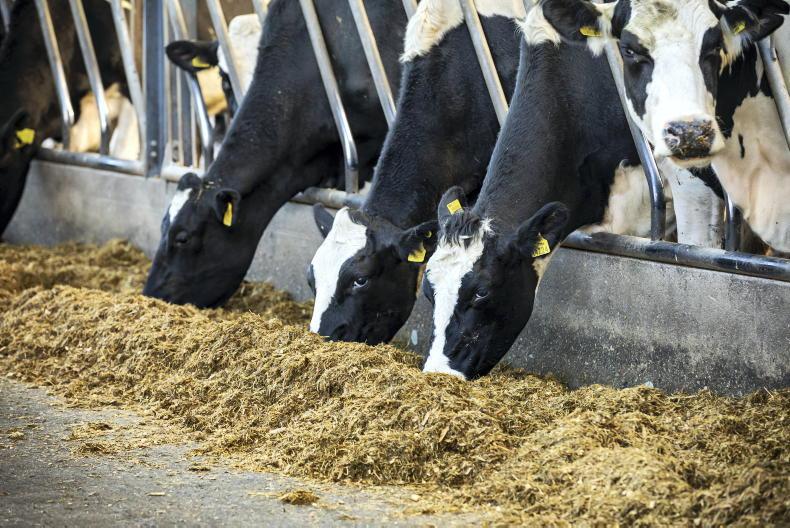
As many herds are feeding a lot of silage and other supplements currently, providing adequate feed space to minimise bullying and animal injury is also essential. Monitor body condition score closely to ensure animals are not losing body condition.
Good fertility results
While there is limited scanning information available yet, the research herds at Teagasc are already beginning to report good fertility results. There is a lot of interest in the Next Generation herd at Moorepark to see how these elite animals perform.
While the final scans have not yet taken place, Dr. Brian McCarthy says that the early breeding season performance has been exceptional, with a conception rate of 68% to first insemination and a six-week in-calf rate of 86% for both the high EBI Holstein-Friesian and Jersey crossbred groups. This is particularly impressive given that 40% of the first inseminations were sexed semen. Both groups were well ahead of the national average group, which has a conception rate of 59% to first insemination and a six-week in-calf rate of 77%.
On DIY AI farms, which represent about 40% of all inseminations, frequently only the last insemination is entered on the ICBF database.
In terms of end-of-season fertility analysis, it's essential that farmers keep good records and put all inseminations up on the ICBF database. This will provide an accurate fertility report at the end of the season in terms of submission and conception rates, embryo mortality and empty rates.
Where reproductive performance is disappointing, accurate records will help to identify opportunities to improve fertility further into the future.
On DIY AI farms, which represent about 40% of all inseminations, frequently only the last insemination is entered on the ICBF database. This makes a comprehensive analysis of the performance of the herd impossible. So the advice is to finish the breeding season strongly by putting up all the insemination data to get a full analysis of how the season went.



SHARING OPTIONS