



I have always been someone with a lot of energy. As a child, as an adult, pretty much always. Last year that changed. When I got out of hospital and was sent home after my five-day stay with pneumonia and my diagnosis of sarcoidosis, I initially had no energy for the first time. Zero. The consultant had warned me that I may not be able to work for a period of time and that my energy levels would come back over six months or so.
They did, somewhat, but what a six months that was. Seven pm bedtimes, naps, no energy to exercise or do anything really; it was eye-opening. Now, 12 months later, my energy levels are far better but will never really be what they were. I have to monitor my sarcoidosis and try to match my output with my recovery.
It has been another degree in the university of life. After my Camino trip a few weeks back, it was 8pm bedtimes for a week and lots of naps to get my energy levels back up.
But it has given me a great understanding of how hard life can be when you are exhausted. The tips in this week’s column will all help. As always, please visit your GP should you have any concerns with regards to your energy levels.
Food, movement, sleep
Let’s start with the basics. Food, movement and sleep. Food is fuel, so it goes without saying that if you want more energy, eating better is key. Here are some simple tips to help:
• Aim to eat every three hours or so, in the following format: breakfast, snack, lunch, snack, dinner. All within a 12-hour window. Eating regularly helps to keep your energy levels up without the big dips in fatigue.
• Choose foods that give a slow release of energy. These are wholegrain, wholemeal and nutrient-based foods. Think porridge, brown toast or bagels, brown rice or pasta. Each meal should have some of these in it.
• Drink more water. Being dehydrated can deplete your energy rapidly, so aim for two litres a day and drink it consistently over the course of the day. Reduce your dependence on fizzy drinks and energy drinks over time and get the water in.
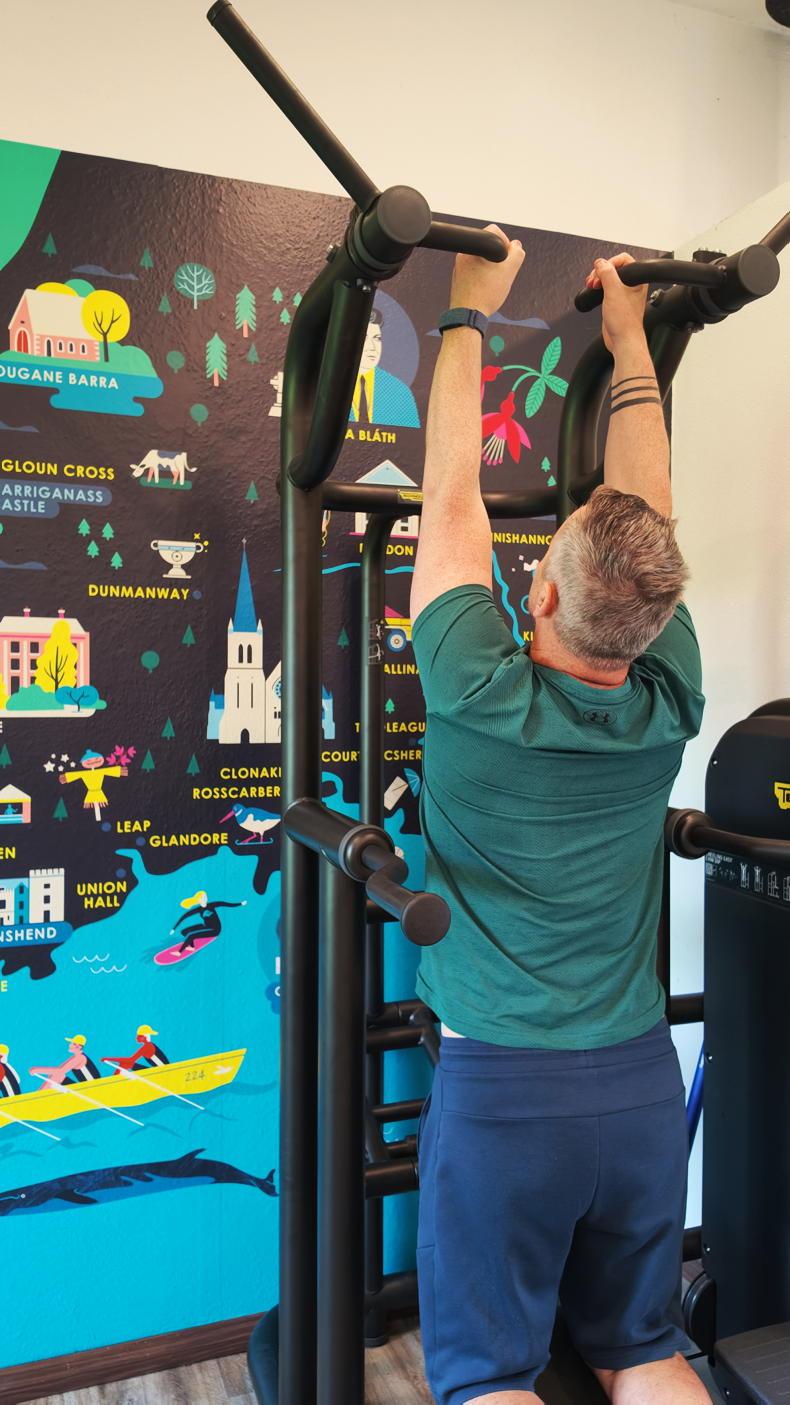
• Being sedentary takes all your energy. If you want more, you have to move more during the day. Choosing the movement option over the sedentary option is a great way to do this, and it is simple too; that idea of increasing your general daily movement.
• Then it is time to add in the exercise. Any exercise will leave you feeling energised. No matter what it is. So stop stressing about the type and just get it done. You will always finish a session with more energy than when you started.
• Sleep and prioritising it are so important too. Even now, I regularly have to make a conscious decision to stop watching the next Netflix show and go to bed. Sleep and recovery are a priority and you need to choose these over whatever is keeping you up.
Keeping a sleep routine where you get up and go to bed at the same time can be a really big help here too, even at weekends.
• Finally, if you are exhausted all the time, I would book in with your GP and get your bloods done. If something shows up, then you can take action and fix it. I get my own bloods done every six months or so and find it really helpful.
Plenty of homework this week, everyone.
Next week, let’s chat about swimming and how it might be the best exercise you haven’t been doing.

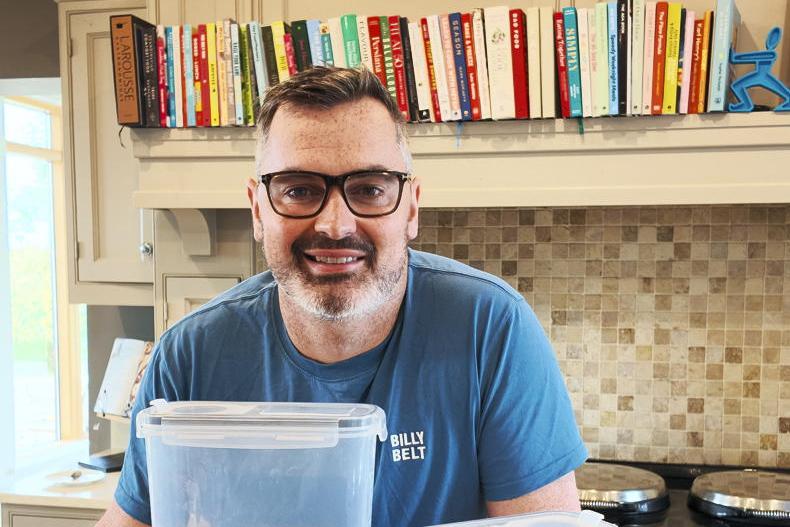
Karl Henry gives practical tips to help you have more energy in your daily life.


SHARING OPTIONS