



Tuberculosis (TB) has been identified in nine pig herds in five counties so far this year, the Department of Agriculture has confirmed.
A spokesperson told the Irish Farmers Journal that laboratory examination has confirmed this to be Mycobacterium bovis infection, the causative agent of bovine TB.
It is understood that TB has been sporadically identified in pigs in Ireland for a number of years, with 2026 seeing an increase in the infection rate.
There are approximately 300 pig farms in the country, meaning about one in every 30 farms has been affected this year.
It is understood that one of the nine affected farms this year was particularly badly hit, with TB spreading throughout its pig herd.
Markets
TB is not a notifiable disease and its detection in Irish pig herds does not trigger the immediate closure of any export markets.
Department vets are expected to meet with farmer representatives regarding the spread of the disease over the coming weeks.
"Bovine TB is a zoonosis (ie it can infect humans) and it can also infect many other mammalian species; it is sporadically detected in pigs. It can spread between susceptible species," the Department spokesperson said.
Whole genome sequencing of the M.bovis isolates detected in pigs in Ireland to date has shown a close link between the strains found in pigs and the local strains from the areas nearby the pig farms.
Testing
The Department spokesperson said most pigs do not show clinical signs of TB if infected.
However, if clinical signs are detected, they are usually related to the site of infection. For example, with the respiratory route of infection, pigs may cough, they may have swollen lymph nodes in the neck which can be felt on palpation or lymph nodes can be visually swollen.
TB in pigs is usually identified at post-mortem examination in meat plants. It is understood that once lesions have been detected, the Department directs the pig farmer to carry out herd testing with their own vet.
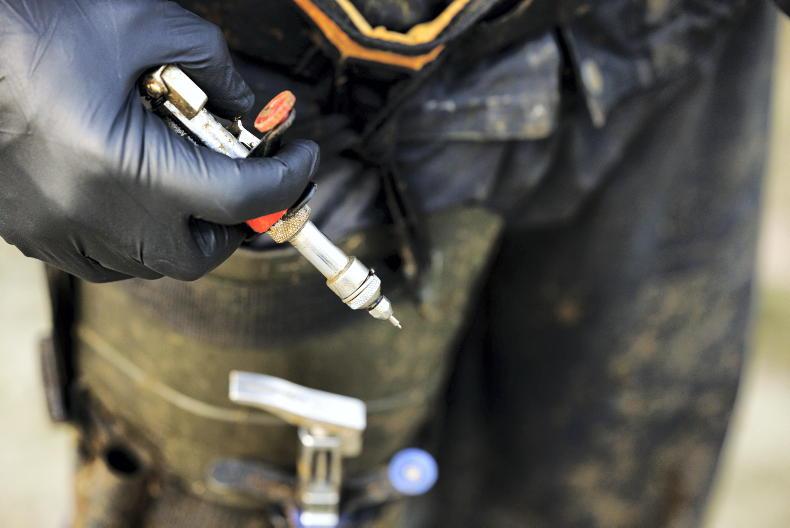
The TB test for a pig is similar to that used for cattle – a skin test with examination 72 hours later. Pigs confirmed to have TB on the affected farm are then slaughtered.
There is thus far no compensation for affected pig farmers, as, unlike cattle, farmers do not pay a TB levy.
As with cattle, pigs which have passed ante- and post-mortem inspection in a meat plant are fit for human consumption, the Department spokesperson confirmed.
Where lesions suggestive of TB are detected at post-mortem examination, they are subjected to a laboratory test for TB.



SHARING OPTIONS