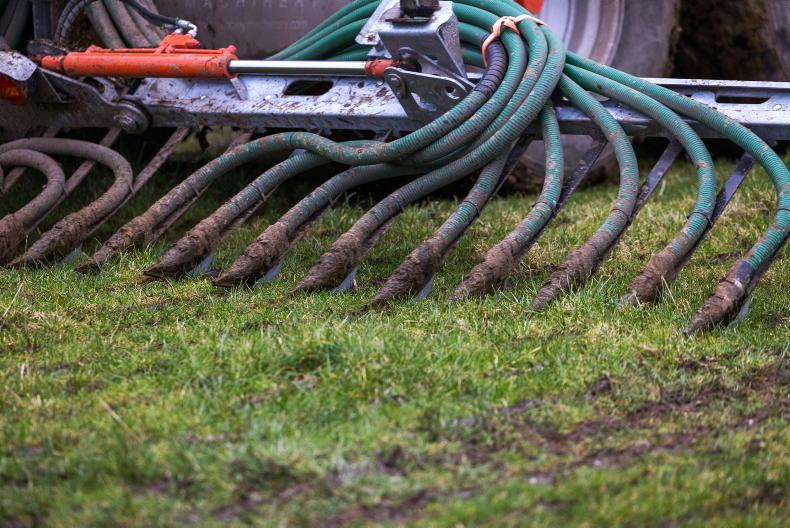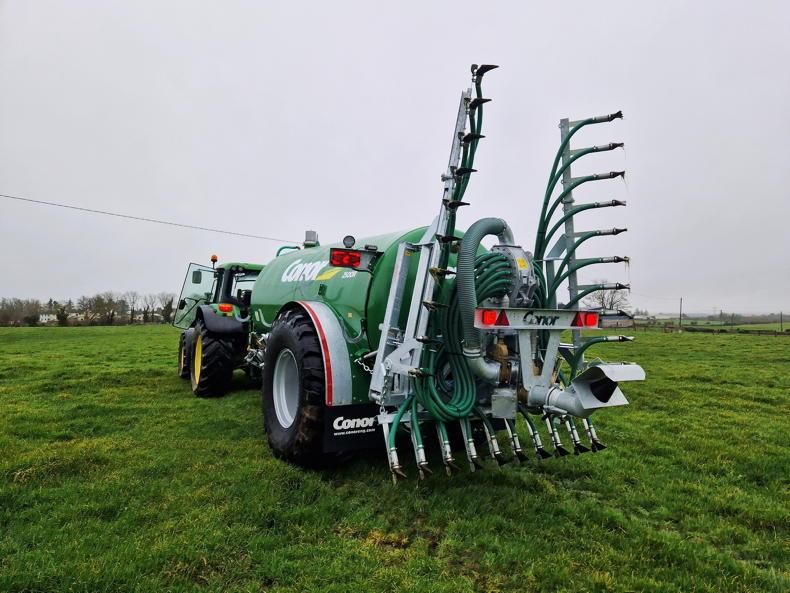

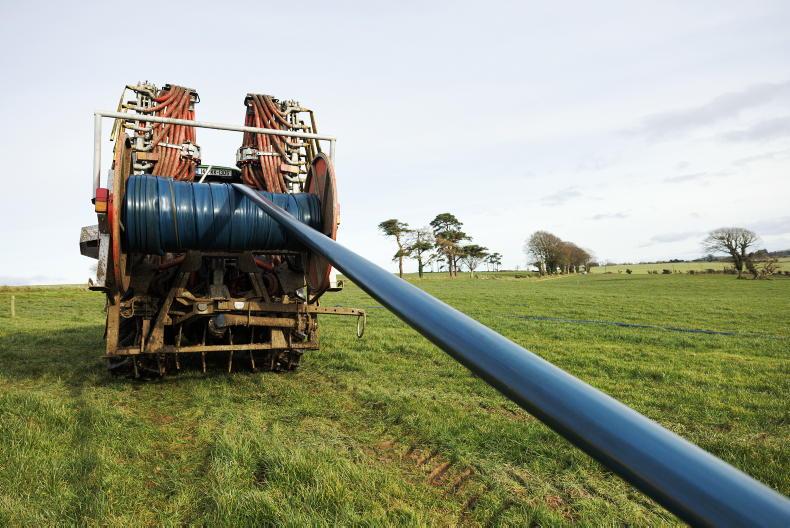
One of the main recommendations in the recent public consultation on draft DAERA proposals for a new Nutrients Action Programme for 2027 to 2030, related to the export of slurry and manures off farms.
The current rules require records to be kept of slurry movements, with details around exports in the previous calendar year notified to DAERA by the end of the following January.
However, to improve accuracy, an enhanced online system is proposed, where the exporter must notify movements to DAERA at least three times per year, with the importer verifying the movement no later than the end of the subsequent month.
In addition, any exports over 15 miles in a straight-line distance, will have to be notified within five days of the transfer taking place and verified by the importer within two weeks.
Concern
As well as increased focus on the exporter, there is an understandable concern that additional scrutiny from DAERA could make importing farms more reluctant to take in slurry or manure.
However, if the rules are followed properly and records kept, there is nothing to fear and the movement of manures can still significantly benefit both parties.
Limit
Fundamental to this, is the de facto stocking rate limit of 170kg of manure nitrogen per hectare. While various options have been proposed for those above this limit, it remains the case that the ideal scenario is to export nutrients off the farm to stay below 170kg. Anyone in this situation and with a neighbour able to take slurry, should have no issue transporting and spreading it at zero cost to the importing farm.
The alternative scenario is to go to the conacre market and potentially pay high prices to secure land that you don’t need, other than for the extra slurry acres. At the same time, you might end up pushing your neighbours off conacre land.
Some sensible conversations among neighbouring farmers are required this winter and while it is uncertain just when new NAP rules will kick in, the direction of travel is clear.