



The UK dairy industry continues to make “good progress” around improved environmental sustainability, but more needs to be done, Nick Whelan, the chief executive of Dale Farm has said.
Addressing a conference on Tuesday organised by the Dairy Council for NI, CAFRE, AgriSearch and the Ulster Farmers’ Union, Whelan pointed out that since 1990, greenhouse gas emissions per litre of milk produced by the UK dairy industry are down 22%.
Despite that, there is a need to accelerate progress if the UK dairy industry is to meet its own target of making zero contribution to global warming by 2050.
At Tuesday’s conference, Whelan highlighted a roadmap produced by processor representative body, Dairy UK. Originally launched in 2008, it has now been added to with a new report published in September which sets out a pathway for the sector to 2030.
Written by a team at Scotland’s Rural College (SRUC), the work has brought together everyone involved in the dairy supply chain. “It is the full supply chain speaking as one”, said Whelan.
The report includes various targets and initiatives around improving biodiversity, water and air quality on farms, as well as lowering carbon emissions.
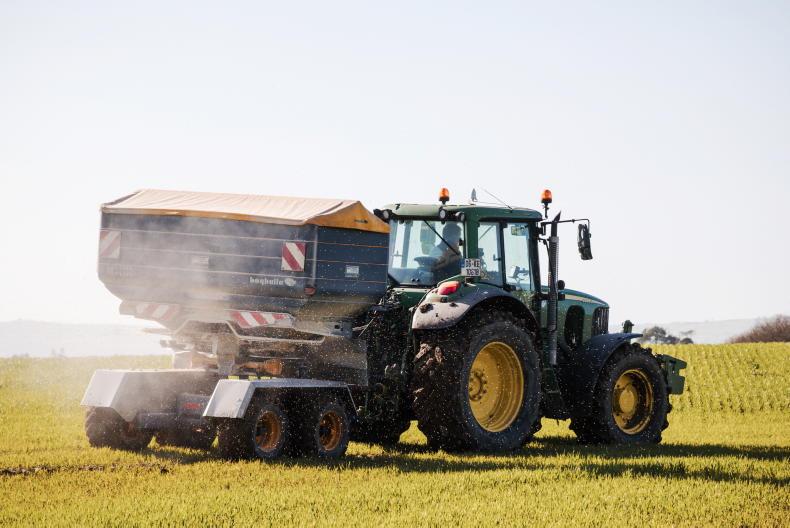
It refers to “widespread adoption” of low-emission slurry spreading equipment, monitoring biodiversity on “at least” 50% of UK dairy farms and undertaking a carbon footprint calculation on-farm “at least every three years”.
On that latter issue, Whelan pointed to legal requirements to monitor and reduce greenhouse gas emissions set out in climate change legislation.
“As a responsible company, you have to adhere to the law of the land. But more importantly, this is about the market. It’s about what our customers expect of us,” he said.
However, he also accepted that 2050 targets look very challenging and probably won’t be reached.
“But I wouldn’t get overly stressed about that. Don’t let perfection be the enemy of progress.
“We are on the right trajectory, but we do probably need a step change,” he added.



SHARING OPTIONS