
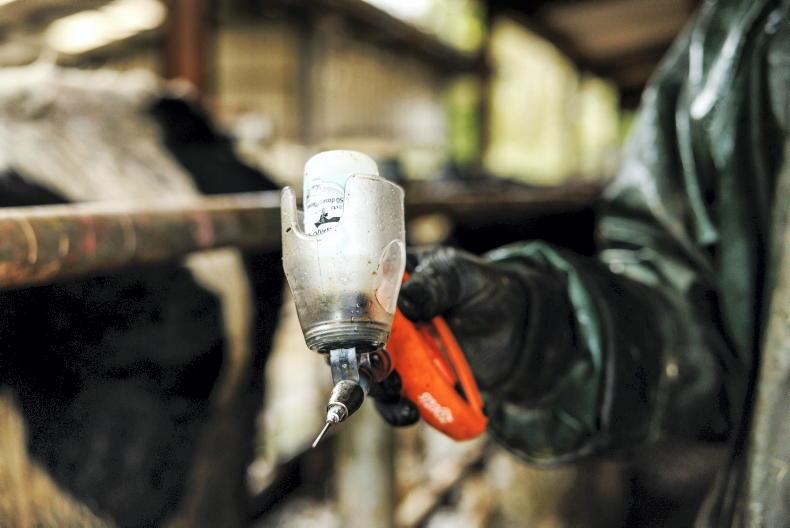
Farmers in Britain have been under “severe emotional pressure and stress” due to the bluetongue virus, a committee of MPs has been told.
Speaking in Westminster on Tuesday, Catherine McLaughlin from the National Farmers’ Union described how bluetongue has had a wide impact on livestock farms.
“Farmers have faced animal deaths, severe disease, reproductive losses, milk and growth losses, extra labour, veterinary costs and disruption to breeding and sales.
“I don’t think that is something that we can ever forget. The emotional turmoil that this has caused on farms has been really stark and quite distressing to see,” she said.
Whilst the BTV-3 strain of the virus was first detected in Britain three years ago, MPs were told that clinical signs and mortality rates were “markedly more severe” this year.
“We have been seeing far sicker animals and higher levels of death, particularly in sheep in the south-west where the outbreak was at its worst,” said Gwen Rees from the British Veterinary Association.
Recurring risk
Looking forward, Rees said bluetongue is likely to be “a serious recurring risk” in the UK over the coming years, although the exact progression of the disease remains unclear.
“What we seen in the Netherlands was a massive outbreak followed by a very small handful of cases this season. It isn’t necessarily something that has to become endemic and will be here every year, but the risk will not go away,” she said.
Rees said there is now a significant level of herd and flock immunity in the Netherlands, due to high rates of vaccine uptake and natural immunity from infections.
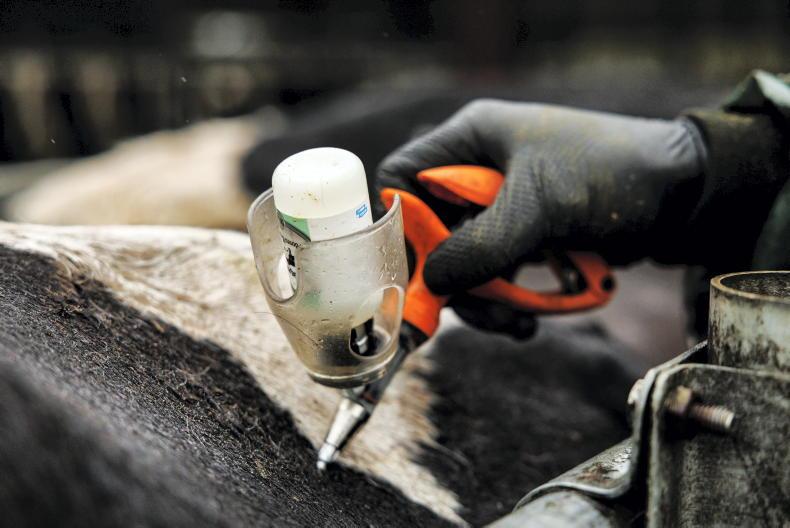
“The main message to come from that is ‘go hard on vaccines now’. It is what they did and hopefully we will see a similar picture,” she said.