



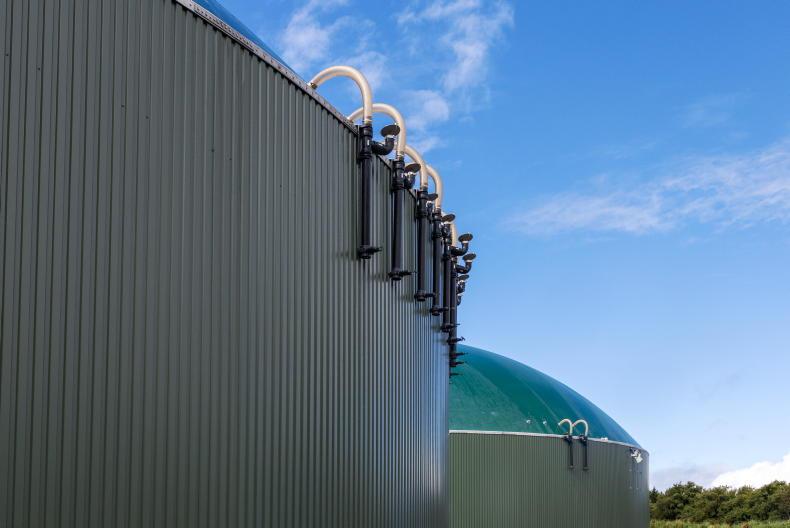
Gas Networks Ireland’s new €32m central grid injection (CGI) facility was opened by Taoiseach Micheál Martin on Friday in Mitchelstown, Co Cork.
The facility has the potential to inject enough biomethane to meet 12% of Ireland’s 2030 target.
It also creates a new route for biomethane producers to supply renewable gas into Ireland's national gas network, even when located too far away to connect directly by pipeline.
The Cork-based CGI facility has the capacity to receive renewable gas produced from farm and food waste and is the first of its kind in both Ireland and Europe.
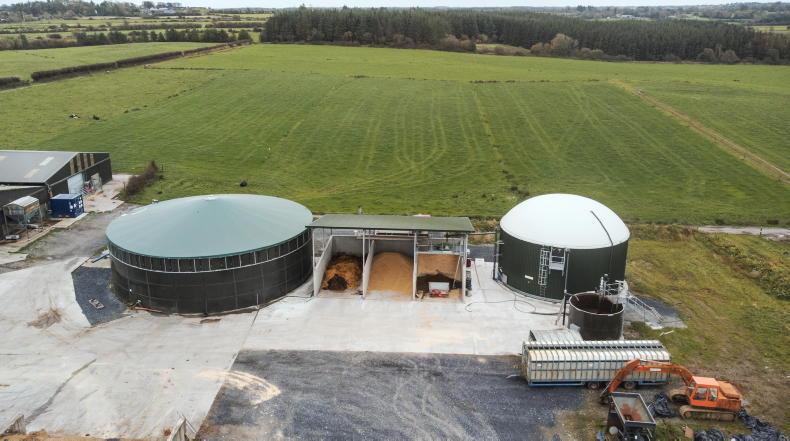
Anaerobic digestion
Biomethane produced at independent anaerobic-digestion facilities can be transported by trailer to Mitchelstown, where it can be prepared to the required standards and injected into the national gas network.
Once injected, the renewable gas can travel to customers through the existing gas-pipeline network.
When operating at full capacity, the Mitchelstown CGI facility has the potential to inject up to 700 gigawatt-hours (GWh) of biomethane annually, equivalent to about 12% of the Government’s 2030 target of 5.7 TWh of indigenous biomethane production.
The facility could also deliver an estimated 130,000 tonnes of CO2 emissions savings each year, according to Gas Networks Ireland.
“The opening of the Mitchelstown Central Grid Injection facility is an important milestone in Ireland’s renewable energy journey and in the development of our indigenous biomethane industry,” the Taoiseach said when speaking at the official opening.
“Ireland has set an ambitious target for biomethane production by 2030, and delivering the infrastructure to connect this renewable gas to our national network is a vital element in helping to achieve that goal."
Significant potential
“Our market engagement has shown us that the potential is significant, and biomethane also has the potential to create new revenue and diversification opportunities, by turning agricultural and organic resources into renewable energy,” Gas Networks Ireland’s chief executive officer David Kelly said.
“Having recently connected two anaerobic digestion plants in Dublin and Meath directly to our gas network, Mitchelstown now gives producers who are not close enough to a pipeline a route into the national network, helping to unlock the potential of Ireland’s biomethane industry."
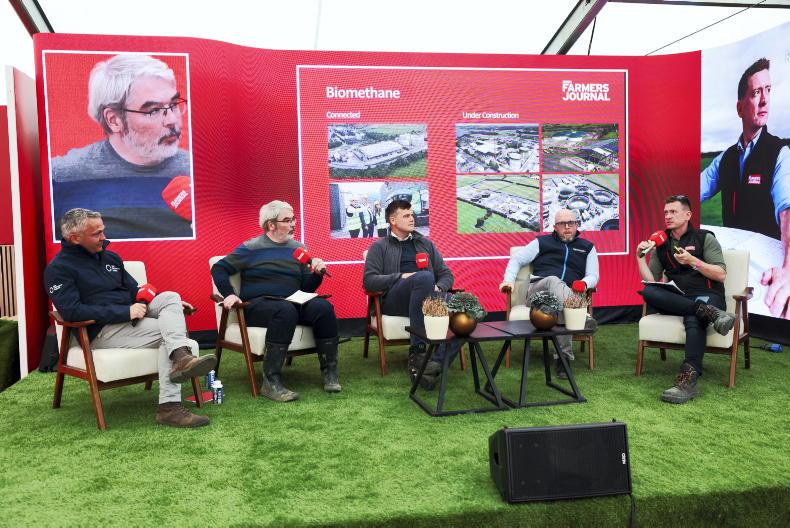
The Irish biomethane sector is currently undergoing significant expansion and investment, Gas Networks Ireland has said.
The group has signed agreements to connect seven major new biomethane producers to its network, including the €35m College Group biomethane plant in Co Meath and Bia Energy’s €90m biomethane-gas facility in Dublin.
The facility is part of the broader Green Renewable Agricultural Zero Emissions (GRAZE) project, supported by €8.4m in funding from the Climate Action Fund.
It is designed to showcase large-scale agricultural biomethane clusters that can be replicated across the country.
The construction of the facility was made possible through the collaboration of two key partners: Fingleton White on design and GMC Utilities Group as construction contractor.
Renewable Gas Forum Ireland comment
The Renewable Gas Forum Ireland (RGFI) has welcomed the opening of Gas Networks Ireland’s new CGI facility at Mitchelstown as an important foundation for Ireland’s indigenous biomethane industry.
However, the forum has warned that urgent policy and market action is now required to ensure sufficient biomethane production to utilise this infrastructure and deliver Ireland’s 2030 ambition.
The forum is made up of anaerobic digestion developers as well as farmers.
RGFI said that at the current pace of policy and market delivery, Ireland is not on a trajectory to achieve the Government’s biomethane target for 2030.
“The infrastructure now being delivered – both by Gas Networks Ireland and by developers – must be matched by the market support mechanisms, policy certainty and implementation timeline required to unlock investment,” RGFI CEO Nick Bennett commented.
“Gas Networks Ireland has put a significant piece of strategic infrastructure in place and a number of developers are progressing projects to come on stream over the next 12 months.
“However, despite private capital being available and demand emerging from energy users, many additional projects remain on hold awaiting the necessary Government action.
”With just over three years remaining to 2030, Ireland still has no certainty on the long-awaited Renewable Heat Obligation, nor has Government put in place a multi-annual capital support framework or addressed the planning, regulatory and market barriers that continue to affect investment decisions.
“Cross-departmental action is also required to unlock the wider value from anaerobic digestion, including the potential for digestate to support nutrient recovery and fertiliser replacement, alongside the development of markets for biogenic CO2 and other valuable co-products.
“Without these issues being addressed, there is a real risk that Ireland will not develop sufficient biomethane production at the scale required to fully utilise strategic infrastructure such as the new Mitchelstown injection facility and meet the national target of 5.7 TWh. The scale of the opportunity now needs to be matched by the pace of Government delivery.”



SHARING OPTIONS