



Margins in farming seem to be getting tighter and tighter every year, so if you keep doing the same thing, you end up making less and less money. There is no such thing as standing still – if you are doing that, you are actually moving backwards.
The only way to maintain your profit is to keep trying to improve. You have to continually eat away at the cost of production and at the same time try and increase your output. It feels like you have to do more every year to get a living.
Assets
I am always looking for ways to make better use of my farm assets – land, houses and livestock. Over the years I have tried to improve grassland management and increase the genetics of my livestock.
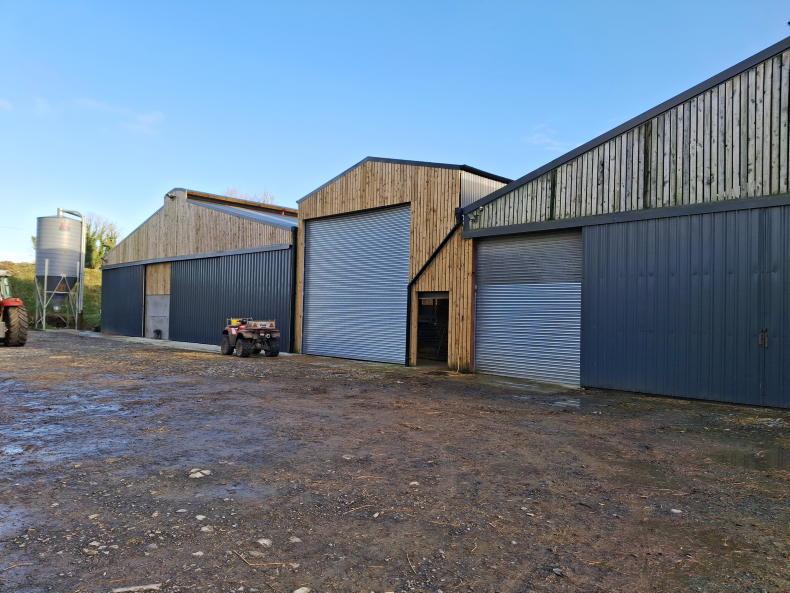
We also try to keep housing in good repair, but last spring it struck me that most of the cattle sheds are empty for a good part of the year. I wondered if I could make use of them during the summer and generate a little more income for the farm.
I decided to try Rosé veal. There was an increase in Holstein male calves coming through our calf house, with other farmers taking these to finish, so I thought it might be worth a go.
Feed
The calves leave the calf house at four to five months of age and in the system they are fed ad-lib concentrates and straw their whole life. Then they are slaughtered under 12 months of age, with a guaranteed price based on their weight (not on grade). My thinking was to get them in early spring and keep the calves in the house all summer and sell in the autumn, before other cattle on the farm are brought inside.
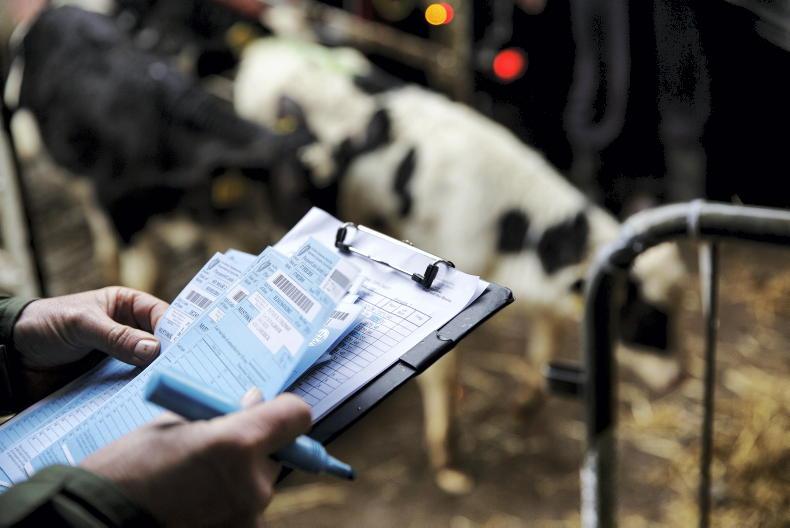
Nobody was willing to disclose the likely return on investment, but I was determined to find out if it was worth my while, so I have kept a record of exactly how much straw and meal they are eating, to help work out potential margins. I only bought 15, as I was not convinced that there would be much money made in the first year.
Learnings
To be honest, they looked horrendous at the start and not like anything I would normally have for finishing off the farm. I am now well down the road and I will be starting to sell them next week. I will not know until they are all gone how profitable the whole trial is, but I have learned a lot on the journey. They actually look all right now. They have thrived very well and put on a lot of weight fairly quickly.
It looks like they will eat between 1.6t and 1.8t of meal in their time here. Among the few things that I have noticed is the more straw they eat, the more meal they will consume and ultimately you need them to eat that concentrate feed to put on weight.
Wheaten straw is better than barley straw and you also need to keep the meal fresh and ensure that they have lots of clean water. There has not been a lot of extra work looking after these calves and it looks likely to yield a small return. After meal and straw there will be about £200/head to cover labour, water and the upkeep of the shed.
Then you have to look at return on investment (the money to buy the calves and pay for feed).
Thankfully, nothing has died (to date), as that would have turned the small profit into a loss. So the upshot of it all is that there is a margin to be had, so long as meal prices do not rise and beef prices don’t fall. It’s not a get-rich-quick enterprise, but it looks likely to add a little to the overall farm output.





SHARING OPTIONS