




DEAR EDITOR,
As a farmer supplier to what is now Tirlán across four farms from 1984 to 2015, it has to be said, I only ever had a good experience with them. However, I want to make a very strong point for all dairy farmers.
There’s a very clear rule that when Irish dairy co-ops decide to compete by price cutting, inevitably all they’re doing is cutting the milk price for all farmers.
Is there any really good example of this, and has Tirlán any past form in this regard, causing lasting damage to dairy farmer incomes? The answer is yes.
Past example
Not too many at this point will remember that the Dublin milk market in the 1960s was dominated by Premier Dairies, which controlled the entire Dublin milk market.
At the time, the then Avonmore Co-op decided to get into that market. At that time, there was a prevailing opinion that much of the milk supplied by Premier was of a very poor hygienic content and very different to the high-quality milk we have today.
In contrast, Avonmore had a far better product and inevitably would have taken huge market share off Premier, if only it was patient and emphasised the quality difference. Instead, Avonmore took a policy of price cutting. It took market share, but at what cost?
Liquid milk was the number one margin product for farmers and also for those that owned the dairies supplying the markets.
Once prices are cut, it’s just about impossible to get those high prices back. By its actions, Avonmore just about killed off liquid milk as a high margin product for everyone. Actions taken then still have a major consequence for the liquid milk sector today. It was the start of the race to the bottom.
USP
Go back to the principle of co-ops competing on different attributes. This tends to be beneficial, whereas competing on price is hugely damaging and impossible to revert over time.
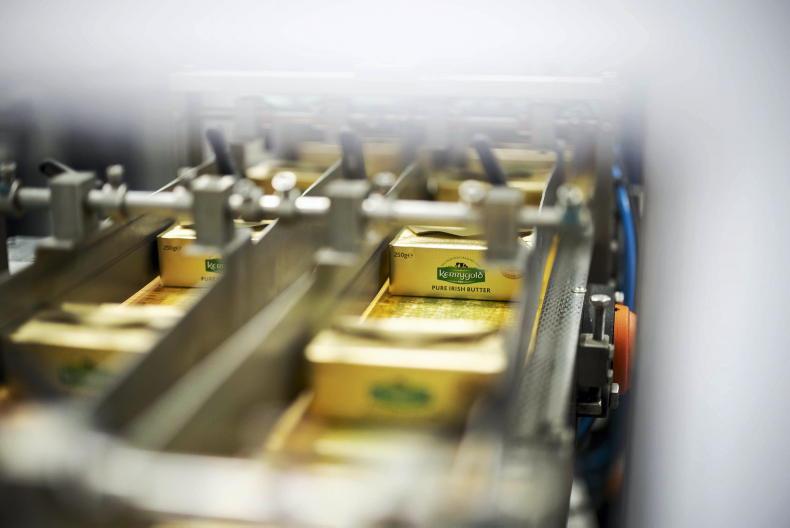
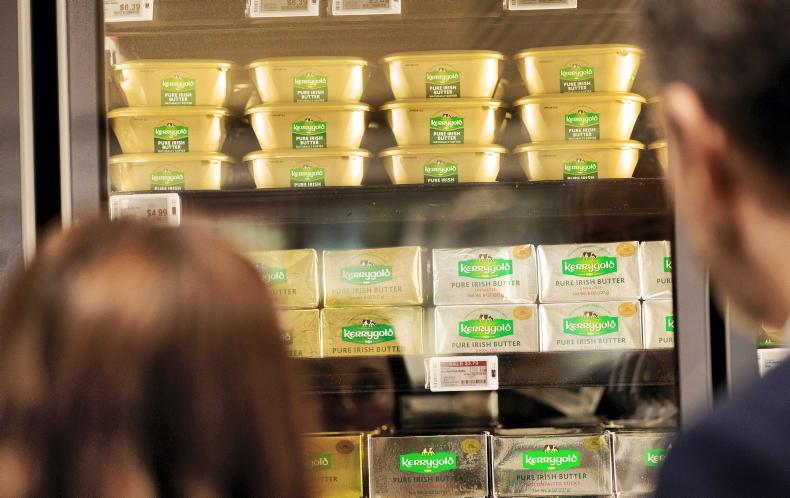
Ornua has done a fantastic job at creating a whole new category of grass-fed milk in the US. It’s important to reflect on how that came about. In 1962, Tony O’Reilly set up the Kerrygold brand. It was a long, hard slog as it took 56 years between 1962 and 2018 to get to €1bn in retail sales.
It took Ornua just seven years from 2018 to 2025 to double that to €2bn in branded sales. Essentially, Tirlán is piloting on the back of a very hard-won and consistent brand on grass-fed butter.
To many people, calling its butter “Truly Grass-Fed” suggests that Kerrygold isn’t truly grass-fed. This is highly ironic, as no other co-op has pushed meal feeding more over the decades than Tirlán.
It’s good that Tirlán has found a new market in Whole Foods, but where there are a number of premium products competing with each other, there is a strong danger of price competition in the future.
It took Ornua many years to have a 85% penetration of the US market. Tirlán needs to be very aware of what happened in the liquid milk market and never engage in price cutting. That is the road to attacking dairy farmer incomes.


SHARING OPTIONS