
In rural Ireland, the danger can be greater again. Many older people live in older farmhouses, some distance from the nearest neighbour or fire station.
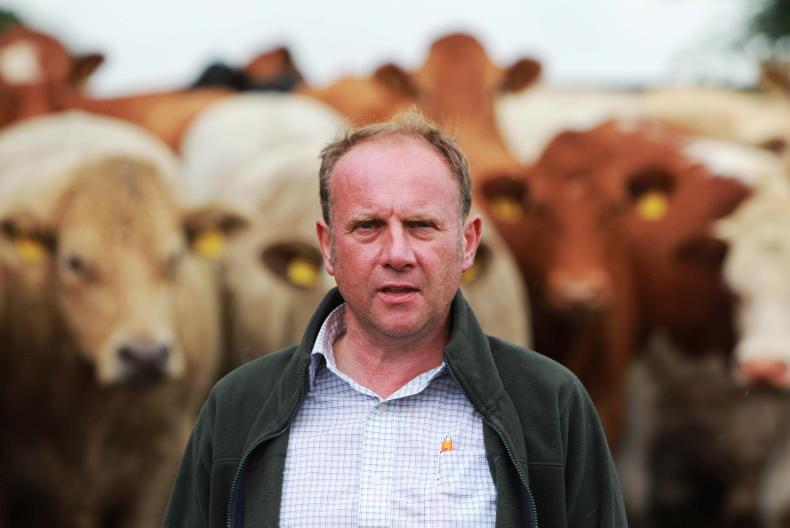
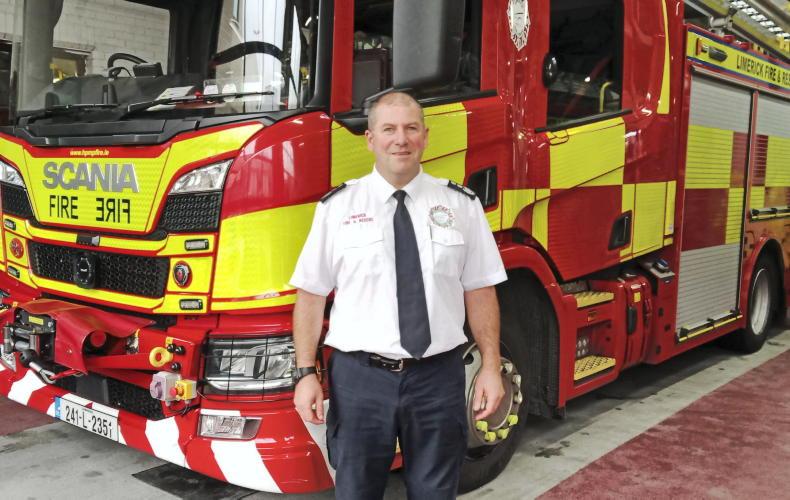
Paul McMahon sees fire risk from both sides of the farm gate. He has spent 25 years in the fire service and is now chief fire officer for Limerick City and County Council.
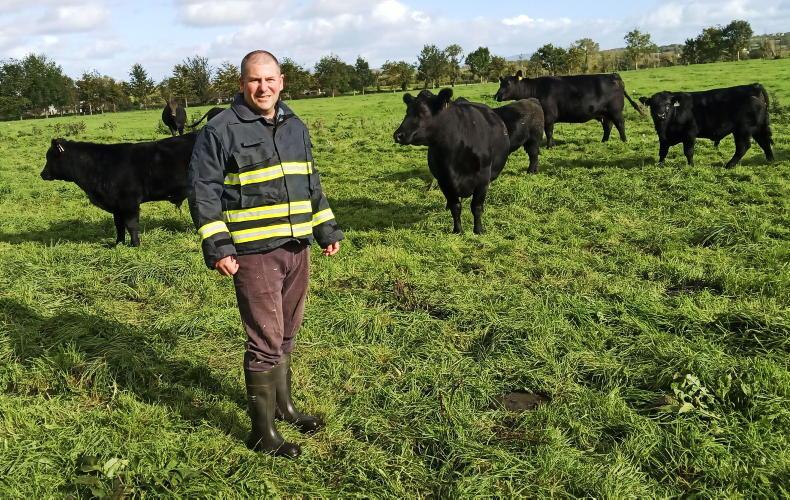
At home, he farms alongside his father, who finishes weanlings, while Paul breeds pedigree Angus under the Sunlodge Angus prefix.
Paul walks us through the main things to consider this winter.
An ageing countryside
Rural Ireland is getting older. According to the CSO’s farm survey 2023, almost four in 10 farm holders are aged 65 or over. Most want to stay in the homes they have lived in their whole lives and protect that independence, but that brings its own challenges.
“I’m very aware that the age profile of those working and living on farms is getting older,” Paul said. “Going back through the years, the risk profile is a person living alone and not able to mind themselves as well as they used to.”
Men over 60 are over-represented in fire fatalities in Ireland. Many farmhouses add to the danger, with open fires and solid fuel stoves, oil heating, older electrics and long routes to the front door.
Paul points to jobs that slip as people get older, such as maintaining buildings, cleaning the chimney and dealing with clutter that builds up over the years; this feeds a fire and blocks the way out.
“People living in older homes that might not be kept to a great standard. They might not have a working smoke alarm or an alarm at all,” he said. “Sometimes people are living alone and security is a big concern – and rightly so. But I’ve seen cases where a door is locked and the person forgets where the key is and can’t get out, which is a sad fact.”
Small changes, big difference
Most fires are preventable and Paul’s advice is simple. “Try to keep clutter to a minimum and keep escape routes clear. Make sure your alarm is working. Make sure a set of keys is available to you.”
With winter coming, he said the usual advice applies. “Have your chimney cleaned, especially in older farmhouses, and have a spark guard up.”
He also warned against drying clothes close to an open fire or electric heater.
In rural areas, finding a house quickly is not always easy: “For the fire service to get there quickly, it’s very important to know your Eircode. Have it written down or printed and stuck on the fridge, for example.”
Paul also urged people to prepare for severe weather: “Storms are becoming more frequent. The national strategy is to be emergency-ready. You should have enough supplies for 72 hours, such as medication, torches, food and water.” A charged phone is also important.
Home fire safety checklist
The farmyard
The risk doesn’t stop at the back door.
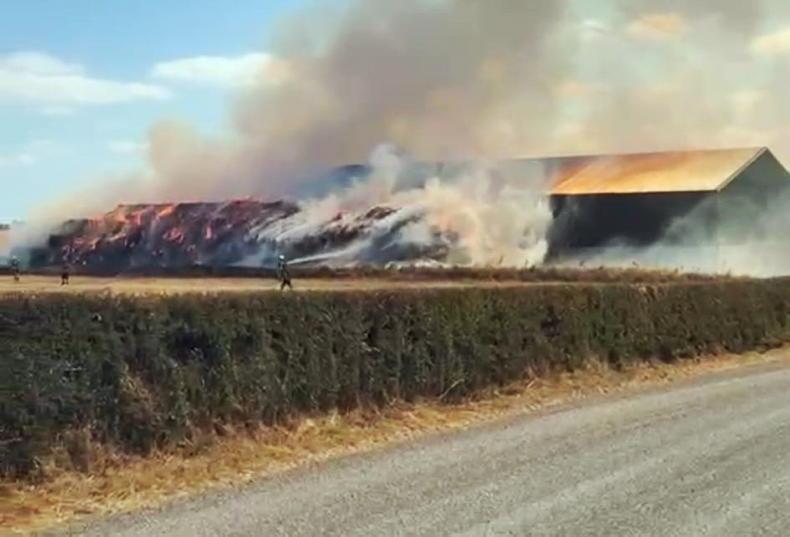
“On the farm, people have got caught out with hay barn fires and it’s high cost when it does happen,” said Paul.
“You’re down the cost of feed, the cost of the shed, plus fire brigade charges in some cases. It’s important to check with your insurance that it covers this charge.”
Common causes of such fires include using an angle grinder near hay or straw, discarded cigarettes, faulty electrics and burning rubbish close to the shed.
Keep ignition sources away from fodder, store fuel safely, replace damaged electrical fittings, keep machinery well maintained and clear dust from radiators at harvest time.
Help is free
The fire service offers a free home fire safety check.
“If people are looking for advice, get in contact with your local fire service to arrange an appointment,” said Paul. “We come and do a home fire safety check, which checks your house and offers some advice, and we’ll also install smoke alarms free of charge.”
Most homes have working smoke alarms. If yours doesn’t, you can find information about this service at www.fireireland.ie.
Look out for each other this winter
For older people living alone, the most valuable safety measure may be a regular knock on the door. As you get older, stay in contact with family and neighbours; Paul also asks neighbours to check in on you.
Fire safety is everyone’s responsibility and simple precautions can prevent most fires. Those precautions help older people stay safe, independent and in their own homes for longer.