



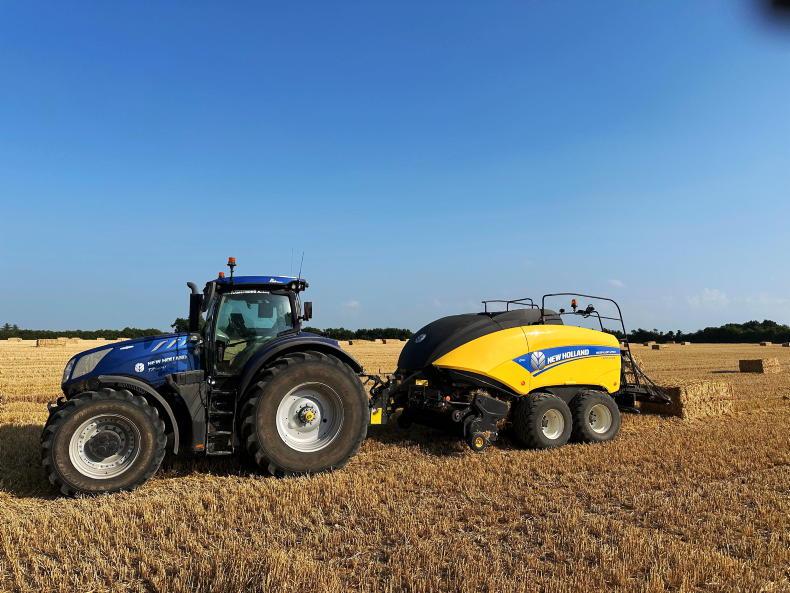
Weather conditions changed quite dramatically in recent days and tillage farmers around the country told The Farmers Journal what the last week has brought them.
Bagenalstown, Co Carlow
The last few days of August saw 61mm of rain fall on Hugh’s farm after a drought that seemed to be never ending. Unbelievably, this means that August 2026 has ended up much wetter than August 2025, when 41mm fell over the course of the month.
Hugh says all this rain was needed, and the fields will probably still dry up very quickly given the soil moisture deficit that had built up.
Hugh planted some fields with a cover crop of phacelia over two weeks ago, but it did not germinate until this week.
There is still plenty of heat in the ground, so it should drive on now. He also hopes that all the cereal and oilseed rape volunteers will come through in the coming weeks so they can be sprayed off before winter sowing. No winter oilseed rape volunteers had come through up to last week, so Hugh decided to give the stubble a very light cultivation to help germination.
He rolled the field after cultivation too, to improve seed-to-soil contact.
Hugh subsoiled 50ac of land to a depth of 5”. He has been doing this for the past few years, when conditions are right, and the great conditions this year allowed him to get a good portion done. That means that all of his land has now been subsoiled over the past five years.
Hugh will have no winter oilseed rape on the farm this year as he is looking at changing his crop rotation. He had been growing oilseed rape every one in four years up to now, but he would like to stretch this out as bit further to reduce the risk of diseases building up in the soil.
He will, more than likely, plant spring beans where the oilseed rape would have went this year, but he is still looking at alternatives for the coming years, especially for his light land, where beans may not be suitable.
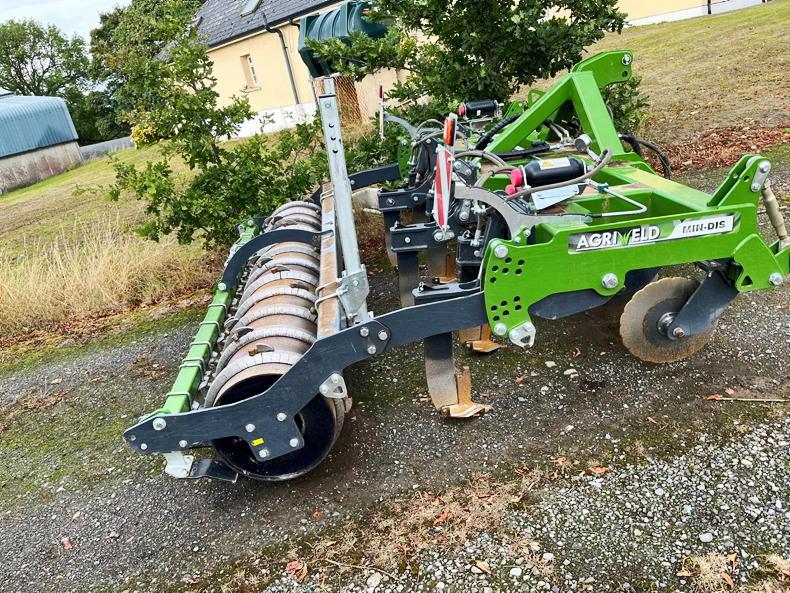
Ballinasloe, Co Galway
There has been plenty of rain in Galway over the past couple of weeks, which was welcome for many reasons, but it did make harvesting a little trickier for Patrick.
The spring barley came in quite quickly considering it was only planted during the last week in April. The good summer weather helped grain fill and kept disease pressure low too.
The showery weather gave a very small window in which to get it harvested, but it worked out well, at moisture contents between 15.5 and 17%.
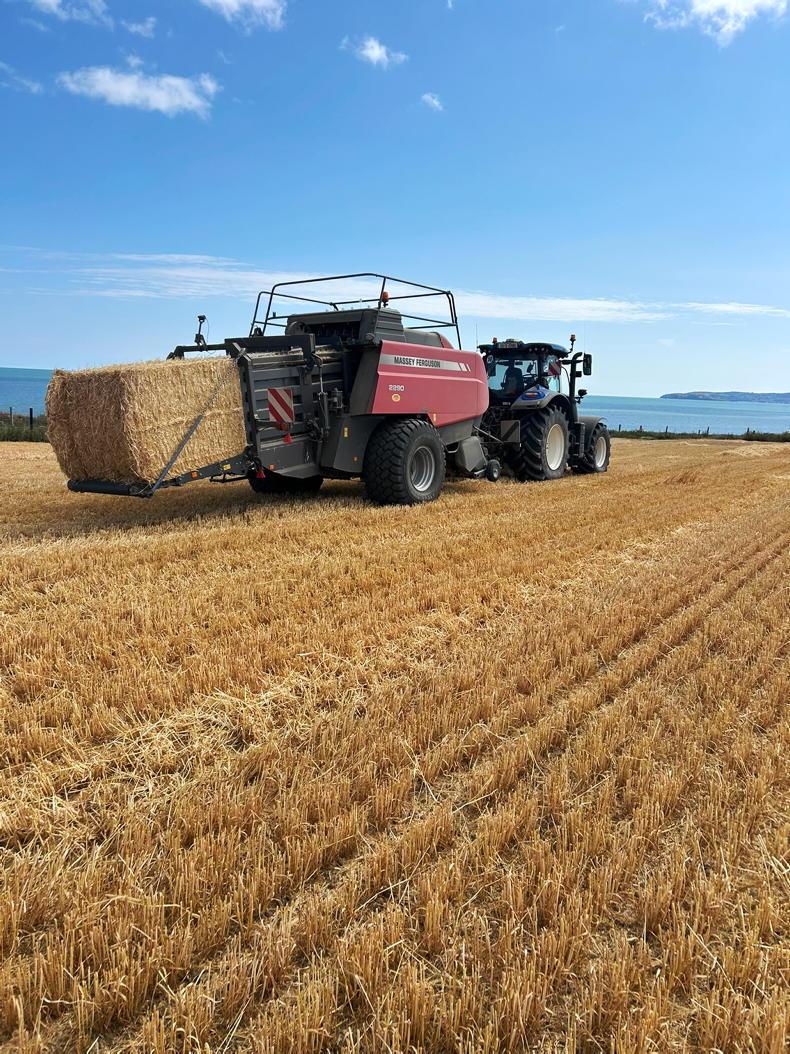
It yielded well too, from 3 to 3.6t/ac, averaging 3.2t/ac. Some of the straw was chopped, but the remainder has been baled except for a field that was caught in the rain and is still on the ground. Patrick says the demand for straw is very strong in his area, with the potential forage shortages looming.
Ploughing for winter oilseed rape proved more difficult than anticipated for Patrick due to the hard ground. He persevered, however, and got the oilseed rape planted in good conditions before the heavy rain arrived.
Patrick got some reseeding done too and harvested some very light third-cut silage. He says he is back about 25% on silage this year, and time is running out to get any more saved.
Patrick is now hedge-cutting and getting fields ready for winter planting as he waits for the spring beans to ripen in. They should be ready next week. He plants winter cereals pretty early as it can get very wet, very quickly in his part of the country. Patrick notes that diesel costs are a big concern, both from the harvest just gone and the upcoming planting season. He says it will increase the establishment costs significantly.
“It’s difficult to remain mentally resilient and continue with tillage with these extra financial burdens,” he says.
UCD Lyons Farm, Celbridge, Co Kildare
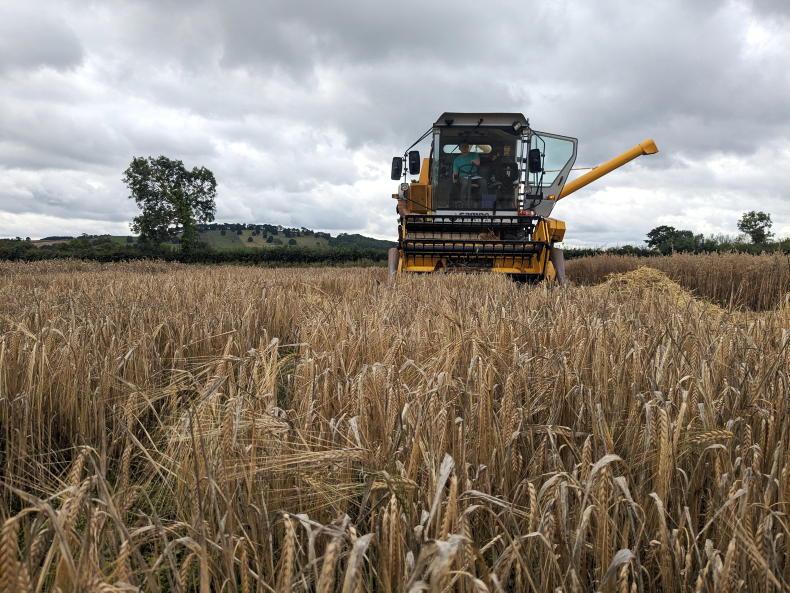
The rain is back at UCD Lyons Farm; showers a couple of weeks ago helped to green the place up before more rain in the past week reduced the soil moisture deficit and increased growth once again.
The spring cereal trials just came ripe as the rain returned. It may now be a case of cutting between the showers; a start was made on Tuesday after the plots dried off. Happily, the spring cereals do not seem to be negatively affected by the drought that occurred and should yield well.
The peas also seem to have done very well this year but they senesced very quickly a few weeks ago. It is yet to be seen what effect this will have on the yield or the protein level of the peas.
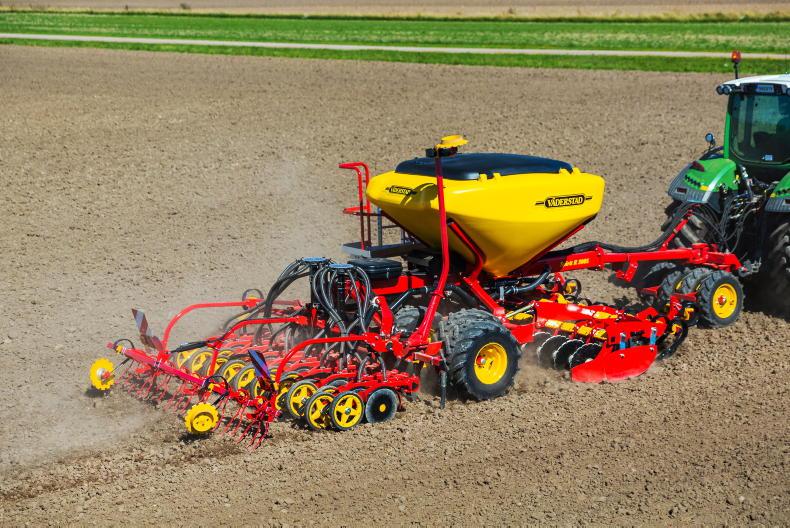
Gary is hoping to plant winter oilseed rape plots this week. There will be a seeding rate trial going in again this year. The ground will not be ploughed but will be tilled to a depth of 12cm to create a seedbed.
In the teaching and demonstration block, the chickpeas have surprised Gary. They were very sparse last year but there is a good stand this year with no signs of lodging. The crop is now just finishing pod fill but whether it makes it to harvest is yet to be seen. This is a crop usually grown in much warmer climates such as India, Australia, Turkey and the Middle East, but the weather this summer has really suited it.
The camelina is ready for harvest while the buckwheat and linseed are a couple of weeks away. The buckwheat is still flowering which provides a food source for pollinators right up to harvest. The shorter height of these three crops this year should make harvesting that bit easier but Gary is unsure of the effect it will have on yield.



SHARING OPTIONS