





Correct interpretation and application are important when it comes to using the EuroStar Index successfully. The following steps offer a simple guide to help you select the right sires.
1. What is your system?
Ask yourself, “what type of animal am I aiming to produce?”. This will determine which index (terminal or replacement) you need to focus on. The terminal index should be used if you intend to sell all progeny as weanlings/stores or take them through to finish. The main focus here will be on traits such as carcase weight, conformation and feed intake. The replacement index should be used where you intend to retain daughters as replacements. The replacement index aims at a balance between maternal traits such as milk and fertility, as well as carcase traits. Carcase traits are included because a suckler cow needs to possess good growth genetics to pass on to her offspring, and 50% of the progeny will be males destined for sale as live or finished animals.
2. What are the strengths and weaknesses of your cows?
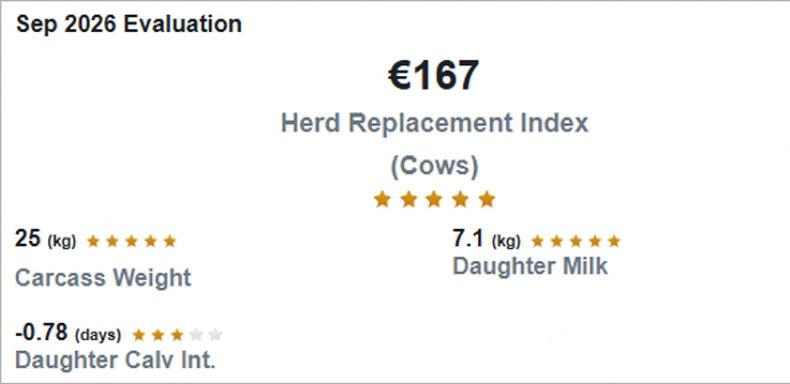
This information can be obtained via your ICBF HerdPlus account. Go to ‘view profiles’ and select ‘EuroStar profile’ from the dropdown menu. The summary section at the top of the profile will give you the average replacement index of the herd as well as averages for carcase weight, milk and calving interval (fertility). See example in Figure 1.
In the example, the herd has a high replacement index. It is also strong on carcase and milk being five-stars for both. The daughter calving interval (fertility) figure could be improved. A negative value is good, but at three-stars the herd is average. If this herd was being used to breed replacements, then it should aim to maintain the replacement index, carcase weight and milk values but look to improve on calving interval (try to get a more negative value).
3. Use sires that are genetically superior to your cows
Genetic gain is mainly driven by sires. A stock bull could be the sire of all calves in a herd in a given year, whereas each cow will only have one calf. Therefore, it is critically important to select a genetically suitable sire(s) for your herd.
If you aim to produce weanlings, but your cow’s carcase weight value is low, then you should select a sire with a high terminal index and a high carcase weight value. If you want to breed replacements, but you feel your cows need more milk, then you should select a sire with a high replacement index and a high milk value.
Stock bulls vs AI
While the same three steps apply to herds whether they are using stock or AI bulls, there a few different things to consider depending on what breeding programme a herd is using.
Stock bulls
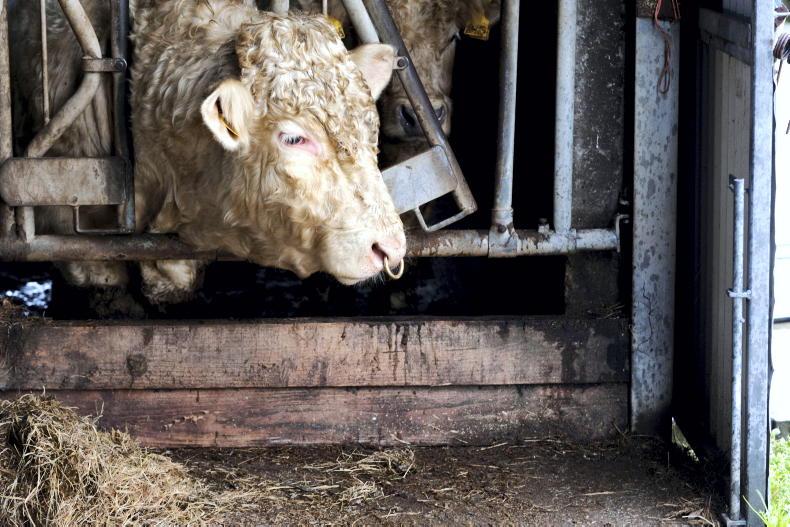
The vast majority of new stock bulls available for sale will be young bulls with no progeny.
The EuroStar Index for young bulls is a prediction of potential future performance based on the data made available to ICBF.
Try to select bulls that are genotyped and performance recorded (weighed and linear scored as part of whole herd performance recording). This will help to ensure that the bull will have as high a reliability on their index as possible.
AI
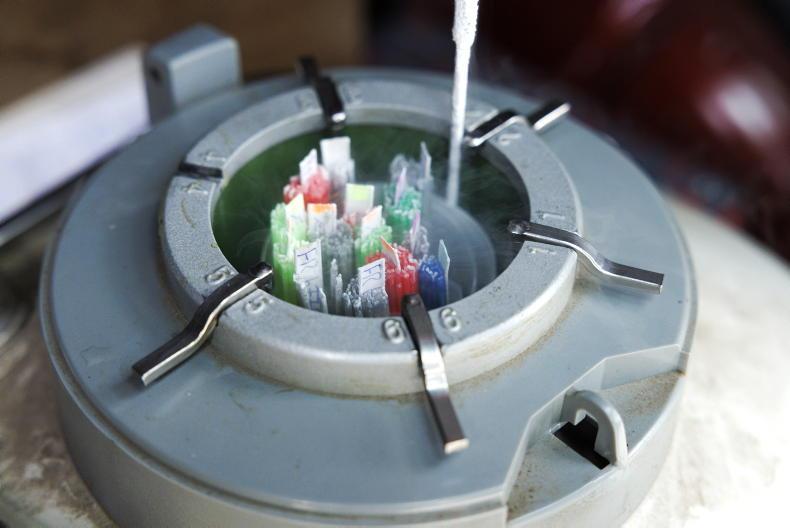
Herds using artificial insemination (AI) have a number of advantages when it comes to sire selection. They can use proven bulls with high reliability figures, which is especially important when it comes to selecting bulls for use on maiden heifers. They can also look at each cow individually and target them with a specific AI bull to complement that cow.
Where new AI bulls are being used, a herd should use them sparingly and/or use a team of bulls, as they will have low reliabilities to begin with.
Latest updates to the EuroStar Index
In July 2026, ICBF updated the economic values used in the EuroStar Indexes, following the publication of updated EU beef price forecasts and a review using the Teagasc Beef Systems Model.
The higher forecast for beef prices increased the economic emphasis placed on traits such as carcase weight, cull cow weight and milk.
There were also knock-on impacts on fertility and efficiency traits, with greater value placed on shorter gestation, shorter calving interval and improved survival. Among the largest changes were:
As a result, animals with stronger genetics for carcase performance and fertility generally saw increases in their index values. These updates are a routine review of the economics underpinning the indexes and ensure the EuroStar system continues to rank animals based on the traits expected to have the greatest impact on future farm profitability.




SHARING OPTIONS