



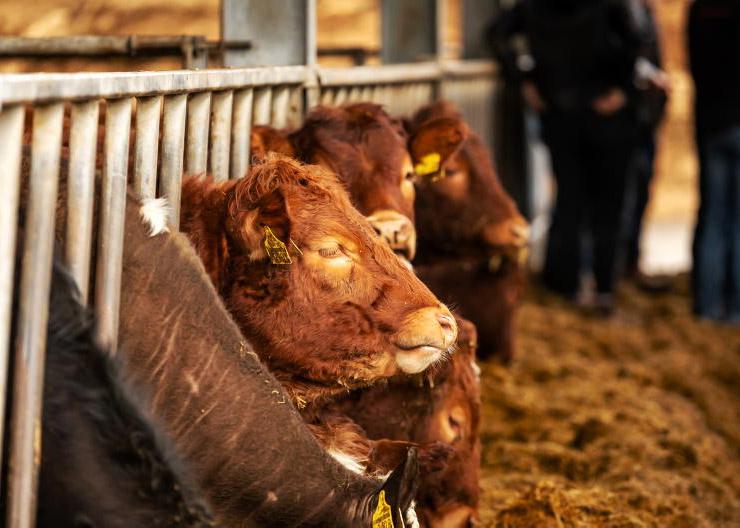
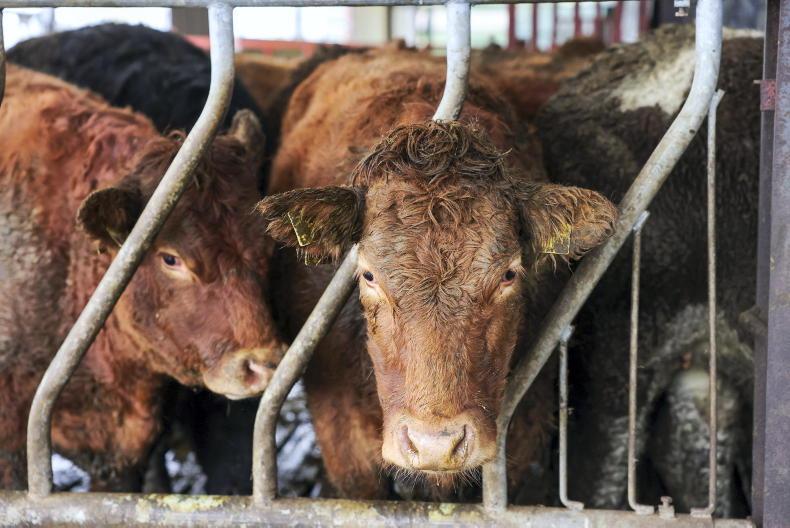
Tullamore Farm continues to take steps to deal with lasting effects of drought conditions during the summer months. Suckler cows were recently weaned to reduce grass demand and to prioritise the best-quality grass available for weanlings.
Grass growth has been running well ahead of normal in recent weeks, with growth for the last two weeks in excess of 50kg and 60kg, respectively. This is above normal for the time of year and with demand for grass reducing, it is providing farm manager Shaun Diver with an opportunity to continue to build autumn grass supplies.
The key priorities on the farm in terms of grass allocation at present are the 250 breeding ewes/ewe lambs, in-calf heifers (some of which will be sold on 28 October in Roscrea Mart, Co Tipperary), weanlings/remaining lambs and then suckler cows.
The average farm cover (AFC) is in the region of 900kg DM/ha but is struggling to increase to the target of over 1,000kg DM/ha in mid-October. The urgency to continue to build grass covers is to ensure the farm is in the best position to have enough forage for the winter.
At the height of drought management, suckler cows were consuming four bales of silage a day, while heifers were eating over a bale and a half each day. This witnessed upwards of 80 bales of silage and 20 bales of hay being fed.
Fodder budget
Shaun is confident that if he can extend the grazing season into mid to late December for the ewe flock and hold cows and weanlings outdoors until mid to late October, he should be in a pretty good position. This, of course, is dependent on weather and achieving high levels of grass utilisation.
Having a fall-back of actions that can be taken if this does not materialise is important, while taking steps to conserve fodder early will also provide some more breathing room if required in spring.
In truth, the farm is only in the position that it is in as it carried forward a good surplus of silage in recent years, which compensated for the late turnout in 2026 and reduced silage yield in second-cut crops.
The volume of pit silage present on the farm is approximately 1,060t, while there are 40 bales of wholecrop silage present. Table 1 details the projected silage requirement for the different classes of stock on the farm. As can be seen, there is a small surplus present.
Cull cows will be sold early, so the figure of 65 cows includes replacement heifers.
Cow numbers
Cow numbers are projected to be five head lower compared to spring 2026, so this is reducing demand, but will hit output in 2027. Options are still being accessed in this regard.
A three-month housing period is budgeted for ewes. These are usually housed in early January, which may be a stretch this winter.
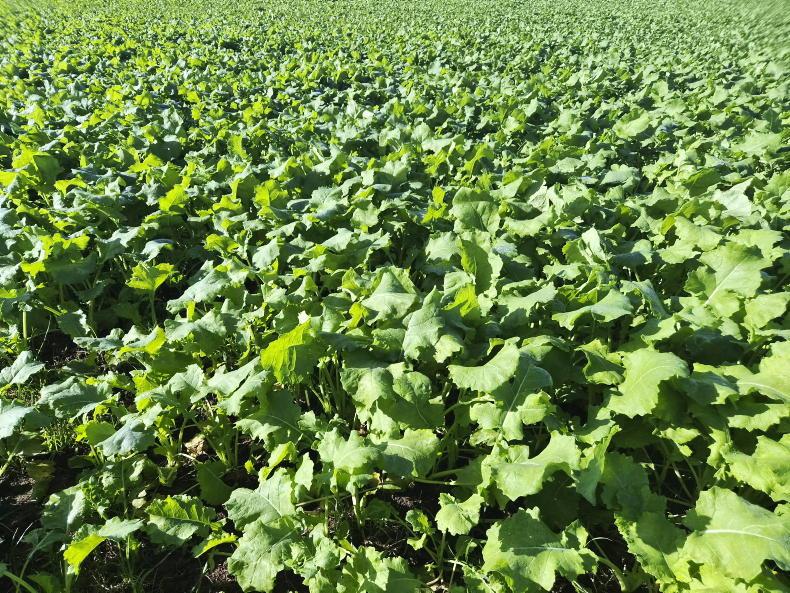
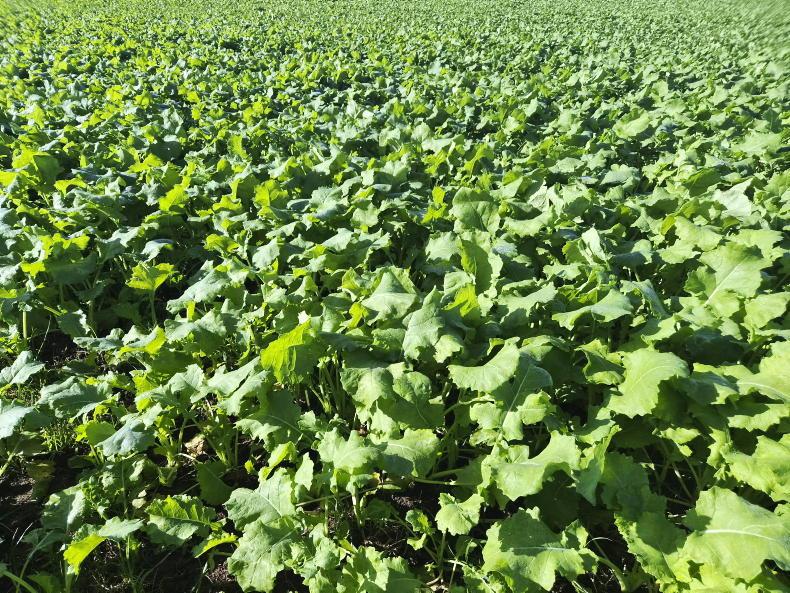
There are seven acres of forage rape sown after barley and 11 acres of forage rye, which should help to prolong grazing for sheep or heifer weanlings, while forage rye will deliver a forage boost next spring.
A decision may also be taken to sell some of the bull weanlings, depending on how budgets for a 16-month finishing system look when completed in the coming weeks.
If retained, on-farm silage demand will reduce significantly once bulls are transferred onto an intensive finishing diet from February.
Wholecrop silage will also be incorporated into the diet for bulls, which will reduce silage demand.
Regular review
The most important aspect on the farm is that it knows the current position of available fodder supplies and demand. Knowing this at an early stage allows alternative plans to be put in place early if required. The budget will also be kept under regular review and updated as necessary.
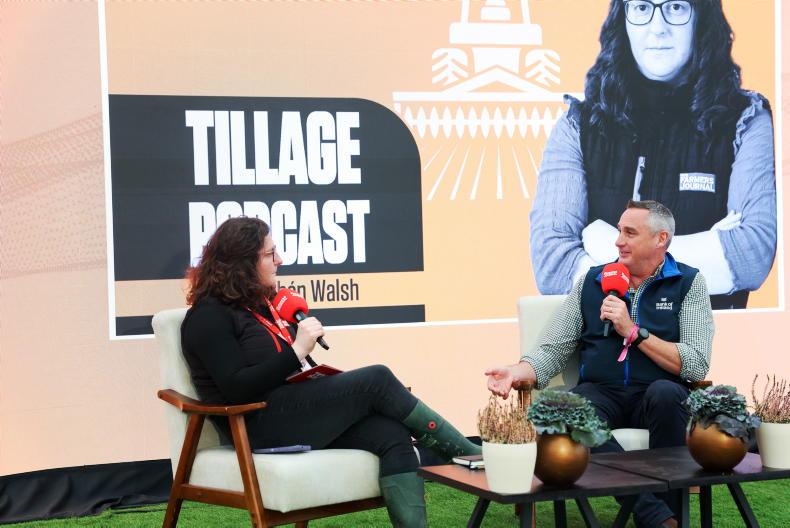
Q&A with Bank of Ireland
Q. Many farmers have gotten back on track with regard to replenishing fodder supplies, but it has come at a significant cost. In some cases this has depleted cash reserves and will make it challenging to finance operating costs, such as purchasing fertiliser in spring to get the year back on track until sales kick in. Is there support available to help farmers get their finances back on track over a longer period of time that reduces the immediate pressure in the months ahead?
A. Bank of Ireland offers a range of financial solutions to farmers for working capital support. Our recently launched Working Capital Loans provide direct support to farmers experiencing or expecting cashflow challenges. These loans are available over a 24-month term at a discounted rate of 4.88% and can be used to finance feed purchases, fertiliser and feed costs, fuel and machinery running costs, other farm input expenses, as well as payment of outstanding merchant, co-op or trade creditor balances. We encourage farmers to engage with the bank and their advisory team early.
Q. There may be some farmers that have never needed a stocking loan or financial assistance to purchase forage, but after the tough summer have endured higher costs and are looking at the prospect of higher concentrate costs and inputs, such as energy. What is the starting point in farmers looking for a loan to bridge the gap in cashflow?
A. In Bank of Ireland we understand this year has brought many challenges for farmers. Early engagement with the bank and your advisory team is recommended to seek advice on the options available. A good starting point for farmers is to quantify the financial support they envisage they will require on their farm, cashflow planners can be a useful tool for this exercise. There is a range of financial solutions available within Bank of Ireland.
Q. Beef finishers are facing in to another challenging winter finishing operation, with Teagasc budgets showing that a beef price of €8/kg is required next spring to generate a profit over costs. What information ideally should a farmer have to hand if he is approaching Bank of Ireland for a stocking loan?
A. Farmers should aim to quantify the full cost of the working capital cycle to include purchase price of stock, operating costs and projected sale price, estimated timelines for purchase and sale of stock in advance of seeking a loan. Consideration will be given to additional stock held on farm currently and historical trading performance information may be sought as part of the application.


SHARING OPTIONS