



At a time when many tillage farms in south Kildare are built around grain, John and Jack Fennin have taken a different route – turning beet, maize, wholecrop and straw into a direct winter feed business, that keeps them closely connected with the farmers they supply.
In recent years, the father-and-son team moved from traditional tillage and merchant sales to a more direct-to-farmer model. Long involved in straw and hay, they have expanded into wholecrop, maize and beet, using contacts from the bedding and hay trade to build demand. With two trucks, the family manages most deliveries themselves, maintaining regular face-to-face contact with customers and strengthening relationships.
The business relies on an extensive machinery fleet to complete the work and produce high-quality winter feed for clients. Precision and organic fertilisers are central to the system, and much of the equipment has been chosen to improve accuracy, reduce waste and protect crops and soil. Slurry and dung are applied with Valtra tractors using CenterPoint RTX guidance, delivering sub-inch accuracy and allowing the same tramlines and field runs to be followed consistently.
Slurry is spread with a 2,750-gallon SlurryKat tanker fitted with a 12m dribble bar. Jack chose this tanker size and working width so he can travel through standing cereal crops in spring and apply slurry as a top dressing without causing unnecessary damage. The relatively compact tanker helps prevent crop damage and reduces ground pressure, while the wider dribble bar cuts down on the number of passes needed across the field and helps place nutrients more evenly.
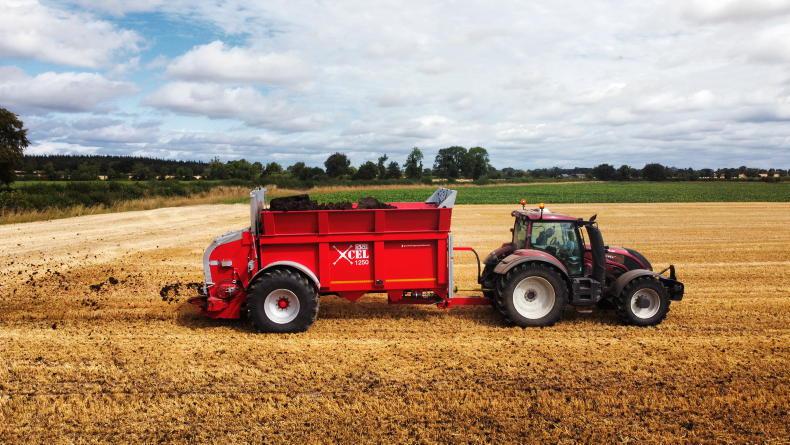
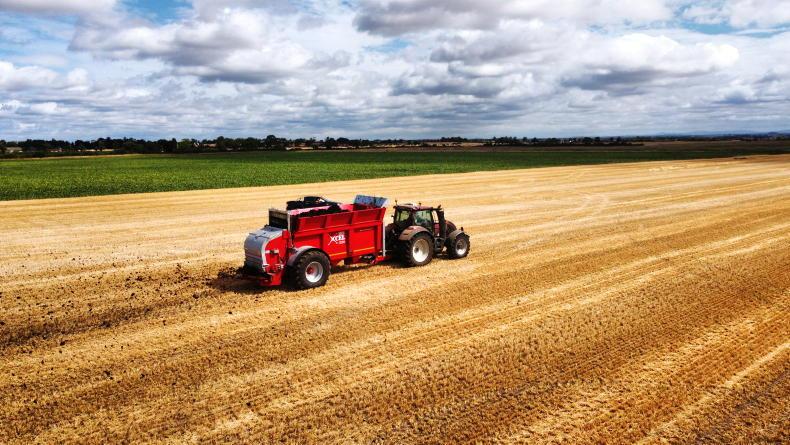
Dung is spread with a new HiSpec Xcel 1250 spreader fitted with a built-in Apollo rate controller and on-board weighing. Linked to the Valtra through ISOBUS and guidance, the system allows for highly accurate application and gives the operator close control over the rate being applied. Jack has found it extremely precise, with variation as low as 1% over a full day’s spreading.
He applies dung to all beet ground, believing it consistently outperforms chemical fertiliser by improving soil structure as well as feeding the crop. During the recent drought, he credits dung with helping the crop remain strong throughout the season.
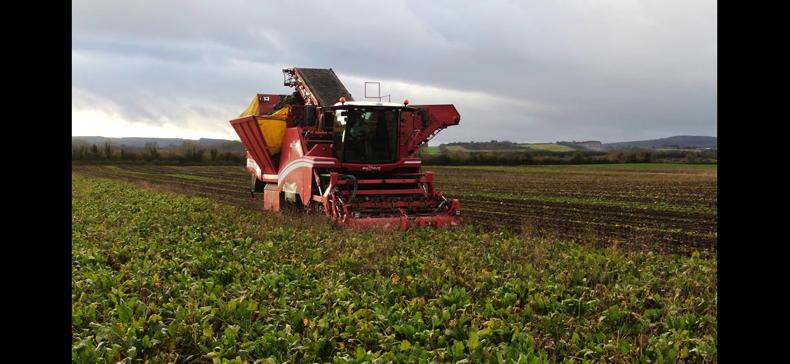
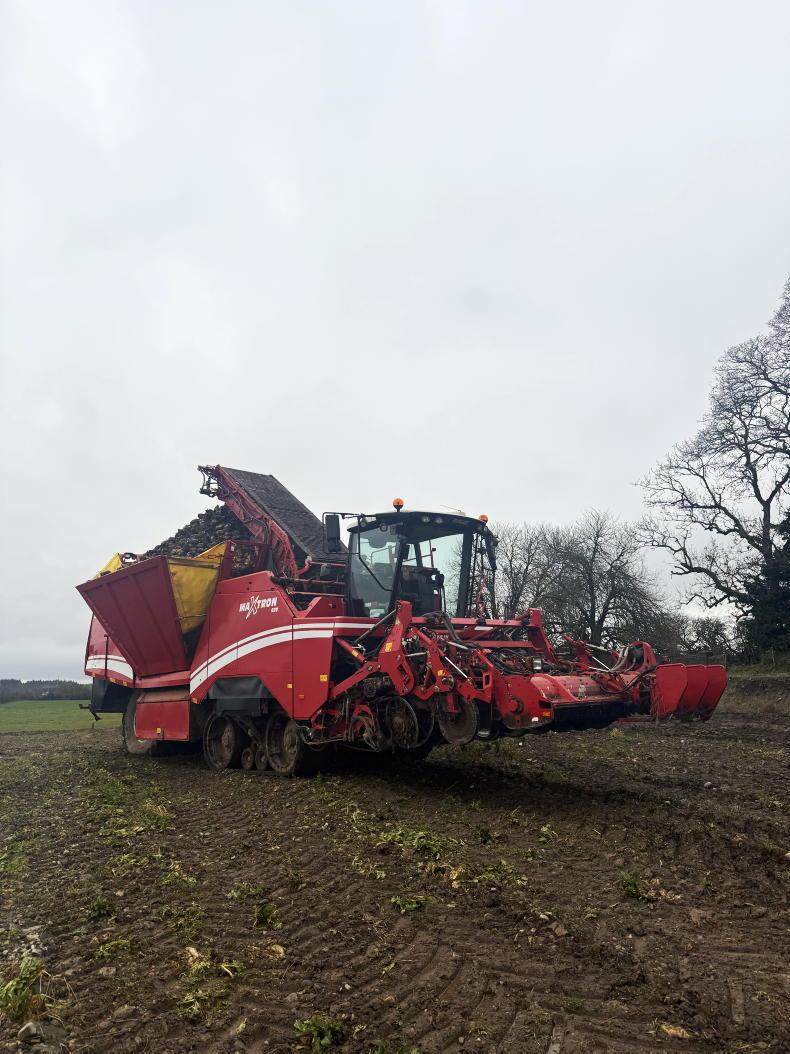
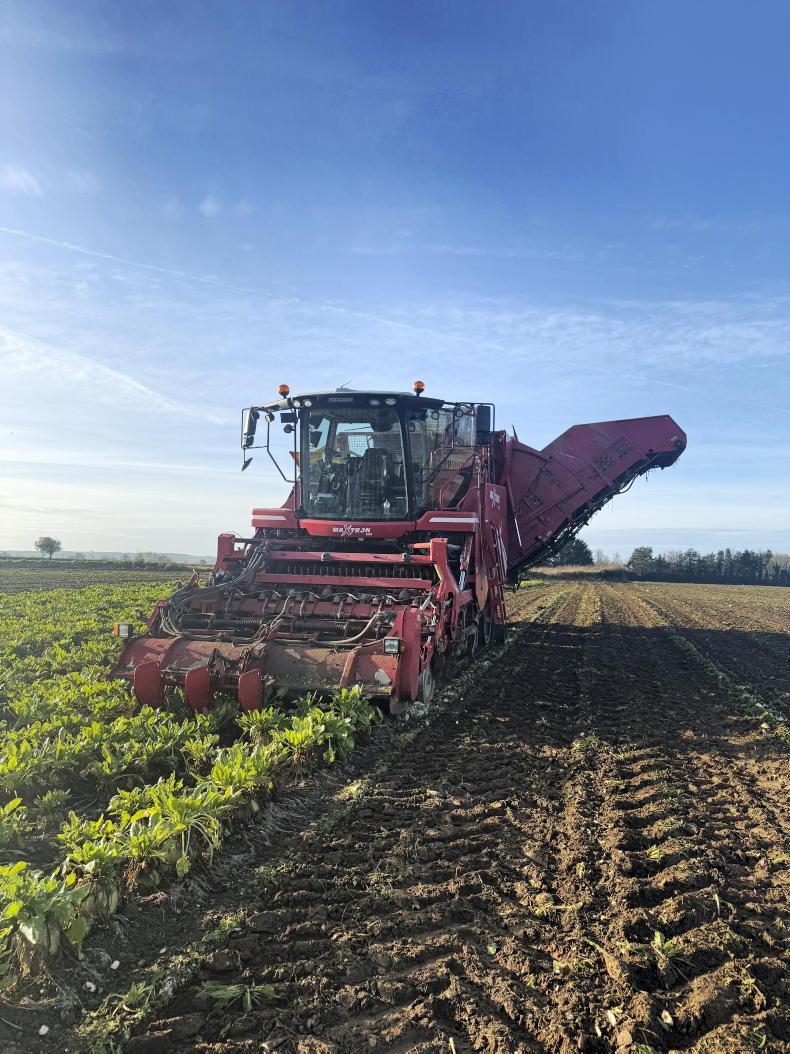
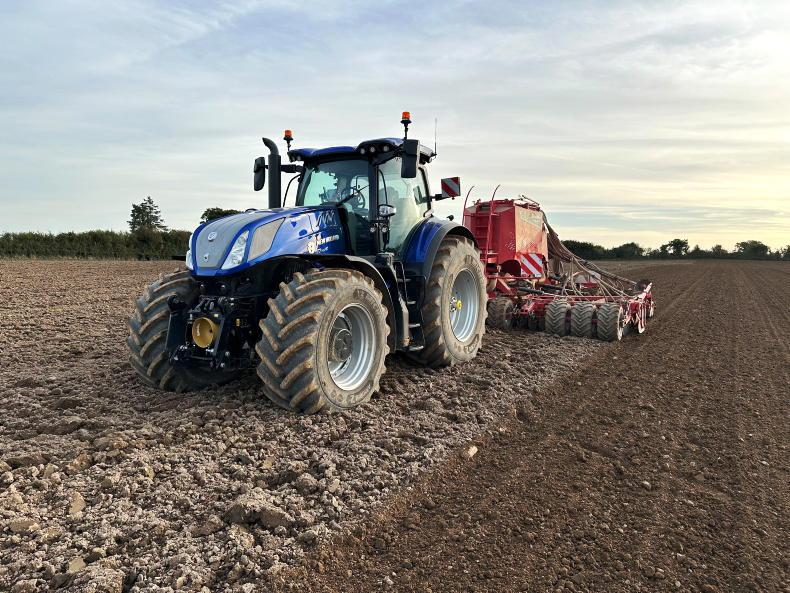
Beet is sown with a 12-row Accord beet seeder, also guided by RTX accuracy, which helps ensure straight, evenly spaced rows and makes later harvesting more efficient. The crop is harvested using a six-row Grimme Maxtron 620 imported from Sweden. Unlike the carousel system used on some beet harvesters, the Maxtron uses a web system to clean the beet and move it through the machine.
Jack and John have found the harvester highly efficient, capable of lifting up to 30ac/day when conditions are right, giving them the capacity to meet customer demand throughout the season. The Maxtron also gives the Fennins the flexibility to harvest beet only when it is needed. This allows them to leave the crop in the ground for as long as possible, improving yield for the business and quality for the end user.
The specification of the large Grimme makes impressive reading. It weighs 29.5t empty, and with a hopper capacity of more than 20t, its total loaded weight can exceed 50t. Power comes from a six-cylinder Mercedes engine producing 530hp, giving the machine the output needed to lift, clean and carry beet in one pass.
Traction and flotation are managed by a pair of tracks, each 900mm wide and 2.99m long, along with dual 900mm rear wheels. The Fennins have found that this layout not only keeps the harvester moving in difficult conditions, but also allows such a sizeable machine to travel with surprisingly little ground damage. On the road, the Grimme can travel at up to 25km/h.
However, for longer moves between jobs, the lads usually load it onto a low-loader, as track wear under that weight would otherwise be significant.
Ingenuity
In the yard, they have built their own beet washer from a collection of unlikely parts taken from other machines, including a blower trailer and the track and hydraulic system from an old Poclain digger. The washer is fed in the yard before the beet is loaded, removing stones, soil and loose dirt that would otherwise travel with the crop. John says the washer does an excellent job of destoning and cleaning the beet before it leaves the farm.
Depending on the season and the size of the beet, it takes between 30 and 50 minutes to wash, destone and load a full artic load. The home-built setup has become an important part of the operation, helping them deliver a cleaner, more consistent product to customers while also reducing the amount of waste material being hauled on the road. Like much of the machinery in the business, it reflects a practical approach: using the equipment they have, adapting it to suit the job and building a system around the needs of their customers.
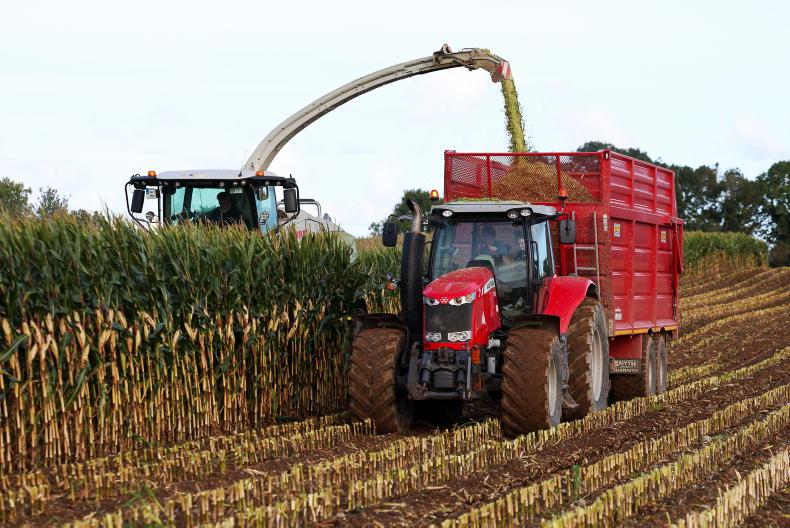
Maize is also a major part of the business, with around 120ac grown and ensiled each year. The Fennins bought their own harvester three years ago, so they could take full control of when the crop is cut, rather than depending on contractor availability at a busy time of year. They opted for a 2003 Claas Jaguar 890, which Jack says provides all the output they need while still being straightforward enough to maintain and repair in the home workshop.
Having their own machine means they can move when crop conditions are right, helping them make better-quality silage and keep the harvesting window as tight as possible. Once cut, the maize is brought back to the yard, placed in the pit and covered until it is needed by customers. From there, loads are drawn out as required and delivered using the family’s trucks, allowing them to manage quality, timing and customer service from field to customer’s yard. The crop is grown without plastic, as Jack believes that in his area of south Kildare the gain from plastic is not worth the extra expense and time at sowing. Last season, the maize in the pit tested at 33% dry matter and 35% starch.
For John and Jack, the move into winter feed has been shaped by a mixture of practical machinery choices, close customer contact and a willingness to adapt. By controlling more of the process themselves, from growing and harvesting to washing, storing and delivery, they have built a system that suits their land, their market and the farmers who depend on them for feed.



SHARING OPTIONS