
In recent years, Coleraine based Ballycairn Holsteins has been at the top of herd rankings for the Agriculture and Horticulture Development Board (AHDB) Profitable Lifetime Index (£PLI) in the UK.
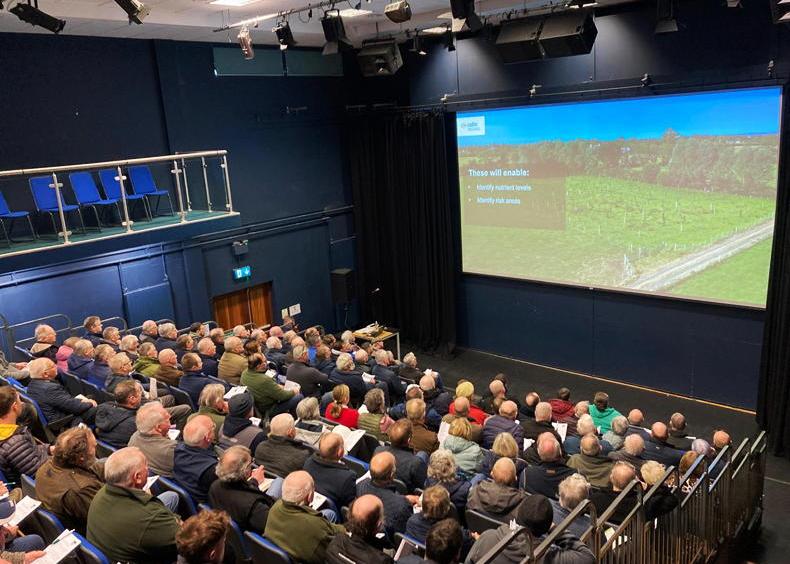
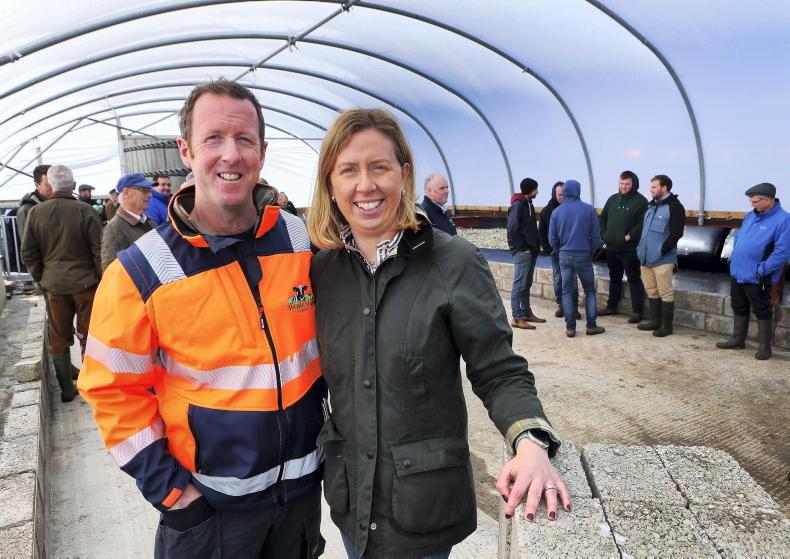
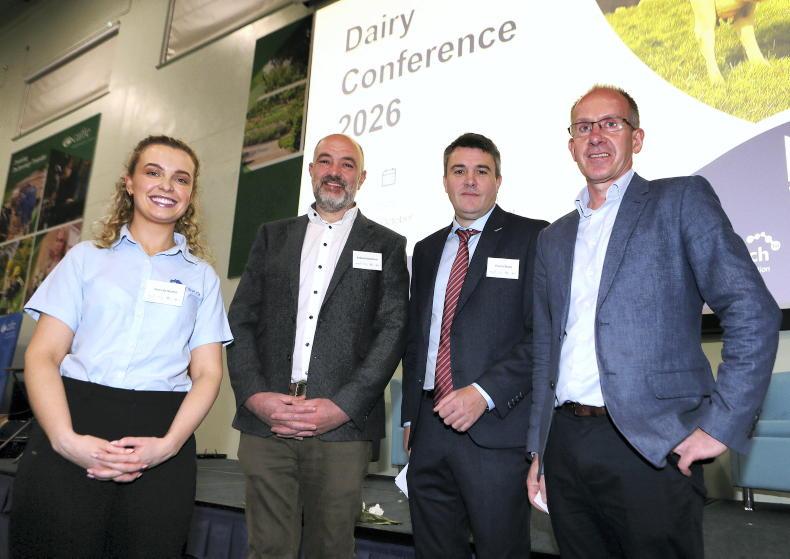
Giving an insight into the 300-cow Holstein herd at the Driving Profitability, Delivering Sustainability conference held at CAFRE Greenmount, Andrew McCollum said he and his father William, did not set out to be the highest £PLI herd in the UK.
“Genomic testing has helped us to build a more profitable cow and in turn a more profitable herd. It has enabled me to select the best cows. The genetics have made a huge difference in our business,” McCollum told the event.
Background
He said the basis for many of the cow families goes back to when the farm was depopulated in the late 1990s due to Brucellosis. While that was a “tragic event” for the business, McCollum said it opened up the possibility to travel and learn a lot about breeding cows, with replacement stock brought in from the likes of Italy, Germany, Canada and across the UK.
The Ballycairn herd has been fully genomic testing for 15 years. They are now at a point where all cows and heifers are served to sexed semen, as well as a first repeat. Fertility is excellent, with 55% conception to first service and a herd calving index of 379 days. There are “no expensive fertility programmes used on the herd” and only around 8 to 10 beef calves are born every year, said McCollum.
With nearly the entire herd bred to dairy bulls, sales of breeding stock are a big part of the business, with around 120 milking animals sold every year, mainly to other breeders and new entrants into dairy, along with over 100 dairy heifer calves. Some bulls have also been sold to AI companies.
McCollum told the event he has mainly focused on £PLI as it is an index which “suits the markets we have for our milk.”
Approximately 32% of the weighting in the index is on production traits, with the remainder on health and fitness, including fertility, longevity and udder health. The £PLI value represents the additional profit a high £PLI bull is expected to return from each of its milking daughters over her lifetime, compared to a £0 PLI bull.
As well as £PLI, the other main profit indexes produced by AHDB are for block calvers - the spring calving index (£SCI) and autumn calving index (£ACI). Below that, there are then a whole range of traits covering production, health and fertility.
When it comes to bull selection, McCollum said he uses the AHDB sire list, initially selecting bulls with a £PLI of at least 850, before filtering out to find those with Protein over 30kg, Feed Advantage over 200 and Lifespan over 100 days. In total, this usually identifies around 10 suitable bulls, with the McCollums then matching up sires to address any weaknesses in particular cows.
Previously, he did have fertility as his main selection trait after £PLI, but with 60% of the herd calving from mid-August to the end of September and no fertility issues to address, he has now switched to Feed Advantage as it will “give you a more profitable cow”. According to AHDB, Feed Advantage will help to identify bulls with the greatest tendency to transmit good feed conversion on to daughters.
Type
Perhaps surprisingly for a pedigree breeder, McCollum said he doesn’t look at type traits. His argument is that a lot of these traits are related to fitness traits already built into £PLI and across the Holstein breed, significant progress has been made to breed out poor feet, legs and udders.
“I believe that if a bull has the ability to give a lot of milk, they will have enough strength. Frail cows don’t give much milk,” said McCollum.
Cell count
One issue he had to address through breeding is somatic cell count (SCC). Cows sourced in the late 1990’s came with a lot of milk, but also a lot of high cell counts. In 2025, average SCC across the year stood at just 81, with most cows now treated with a sealant at drying off and under 10% requiring antibiotic tubes.
Ultimately, he said by using the best genetics, farmers will have healthier herds, fewer veterinary interventions and fewer involuntary culls.
“Use the highest £PLI bulls you can find, not the bull the salesman wants to sell you. The difference between your average to your best bull is probably about £10 to £15 per straw, but you will gain a lot more from that £15 than anything else on your farm”, said McCollum.
About Ballycairn Holsteins
There are around 300 cows plus approximately 500 followers in the Ballycairn Holstein herd. The farm extends to 400 acres, of which 70 acres is in wholecrop.
Milking cows are fully housed and milked twice-a-day, with cows fed through a Total Mixed Ration (TMR). There are currently two groups going through the parlour – a heifer group averaging 33kg of milk and a high group giving 52kg. This high group is currently receiving 10kg concentrates, 5kg crimped wheat, 8kg of wholecrop per head along with grass silage.
Average yields
Current milk recording shows average yields of 9,860kg at 4.48% butterfat and 3.5% protein. In 2025, the herd produced 939kg of milk solids per cow at 4.71% butterfat and 3.54% protein. The herd supplies Aurivo co-op.
Genetic data for NI farmers
Cattle farmers in NI who register for the Bovine Genetics Programme being delivered by Sustainable Ruminant Genetics (SRG), can get the cost of genomic testing covered as part of the scheme.
From 1 September 2026, all breeding cattle in herds can be genotyped, while in 2027, the scheme will cover the cost of sampling all newborn calves. Register for the scheme at www.srgni.com.
Participants will have access to a range of herd performance reports and genetic information on the website, allowing users to select their best animals for breeding.
“Dairy has made some huge improvement over the years but if everyone can take part in this project, we can really drive the industry forward,” said Hannah Martin from SRG.